




How good is the garment quality from Chinese-made custom clothing suppliers?
The quality of clothing produced by Chinese custom garment manufacturers has improved significantly over the past two decades, making China one of the world’s leading destinations for apparel production. Today, Chinese manufacturers are known for their ability to deliver a wide range of quality levels, from basic mass-market garments to high-end, luxury custom pieces. However, the overall quality largely depends on factors such as the manufacturer’s capabilities, pricing, materials, and quality control processes.
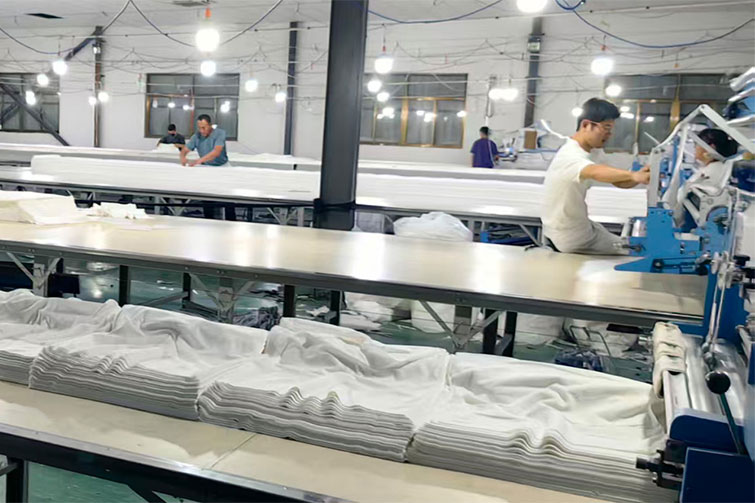
One of the biggest strengths of Chinese clothing manufacturers is their advanced production infrastructure. Many factories are equipped with modern machinery, automated cutting systems, and digital pattern-making technologies. This allows for precise tailoring and consistency across large production runs. In custom clothing, where accuracy and detail are critical, these technological advantages help ensure that garments meet client specifications.
Another important factor is the availability of skilled labor. China has a long history in textile and garment production, and many workers possess years of experience in sewing, embroidery, and fabric handling. This expertise is especially valuable in custom clothing, where craftsmanship plays a key role. High-end manufacturers, in particular, often employ specialized artisans who can handle complex designs, delicate fabrics, and intricate detailing.
Material sourcing also contributes significantly to the final quality. China has a well-developed textile supply chain, offering access to a vast selection of fabrics, including cotton, silk, wool, and synthetic blends. Clients can choose materials based on their quality requirements and budget. Premium manufacturers often work with high-grade fabrics and maintain strict supplier standards, ensuring durability and comfort in the finished product.
Quality control is another area where reputable Chinese manufacturers excel. Many factories implement multi-stage inspection processes, from raw material checks to in-line production monitoring and final product evaluation. Some manufacturers are certified with international standards such as ISO, which further ensures consistent quality. In custom clothing production, attention to detail—such as stitching accuracy, sizing consistency, and finishing quality—is essential, and leading factories prioritize these aspects.
However, it is important to note that quality can vary widely across different manufacturers. While top-tier factories produce excellent garments, lower-cost suppliers may cut corners by using inferior materials or less stringent quality control processes. Therefore, buyers should conduct thorough due diligence before selecting a manufacturer. This may include reviewing samples, checking certifications, visiting factories, or working with third-party inspection agencies.
Communication is also a key factor affecting the final product quality. Clear and detailed specifications, including measurements, fabric choices, design elements, and packaging requirements, help minimize misunderstand. Many Chinese manufacturers now have English-speaking sales teams, which improves communication and reduces the risk of errors in custom orders.
In addition, flexibility is a major advantage of Chinese custom clothing manufacturers. They can accommodate both small and large order quantities, making them suitable for startups as well as established brands. Rapid prototyping and shorter lead times are also common, allowing businesses to respond quickly to market trends.
In conclusion, Chinese custom clothing manufacturers are capable of delivering high-quality garments that meet international standards. Their strengths lie in advanced technology, skilled labor, diverse material sourcing, and strong production capacity. However, quality is not uniform across all suppliers, so careful selection and effective communication are essential. With the right partner, businesses can achieve excellent results and strong value for money in custom apparel production.
Tags:
Related Posts