


Microfiber Leather vs. Genuine Leather and Synthetic Leather: What's the Difference?
1. What Is Microfiber Leather?
Microfiber leather is a common commercial name for a type of man-made material that imitates the appearance and feel of natural leather.
Instead of using animal hide, many microfiber-based artificial leathers are made from extremely fine synthetic fibers arranged into a dense, three-dimensional nonwoven structure. Polyurethane (PU) is used within or on the material to create the desired texture, flexibility and surface finish.
The result can feel surprisingly similar to leather. Depending on how it is made, the surface may be smooth, textured or suede-like.
One important distinction is that microfiber describes the fine fibers used in the material, not a guarantee of quality. Different microfiber products can have very different construction and performance.
2. How Is It Different from Ordinary PU Leather?
Both conventional PU synthetic leather and microfiber-based artificial leather are man-made materials. The difference is often found beneath the surface.
Many conventional PU leathers use a woven or knitted fabric backing with a polyurethane coating. Microfiber-based artificial leather typically uses a more complex nonwoven fiber structure.
This difference can affect how the material bends, stretches, feels and performs during manufacturing.
For example, a suitable microfiber material may provide good flexibility and strength while maintaining a consistent thickness. That can be useful for footwear with curved panels, detailed stitching or repeated bending around the toe.
However, this does not mean every microfiber material is better than every conventional PU material. A well-made PU synthetic leather can be entirely suitable for casual footwear, while a poorly specified microfiber material may fail to meet the intended requirements.
The material's actual construction and performance matter more than the name on the sample card.

3. Microfiber vs. Genuine Leather
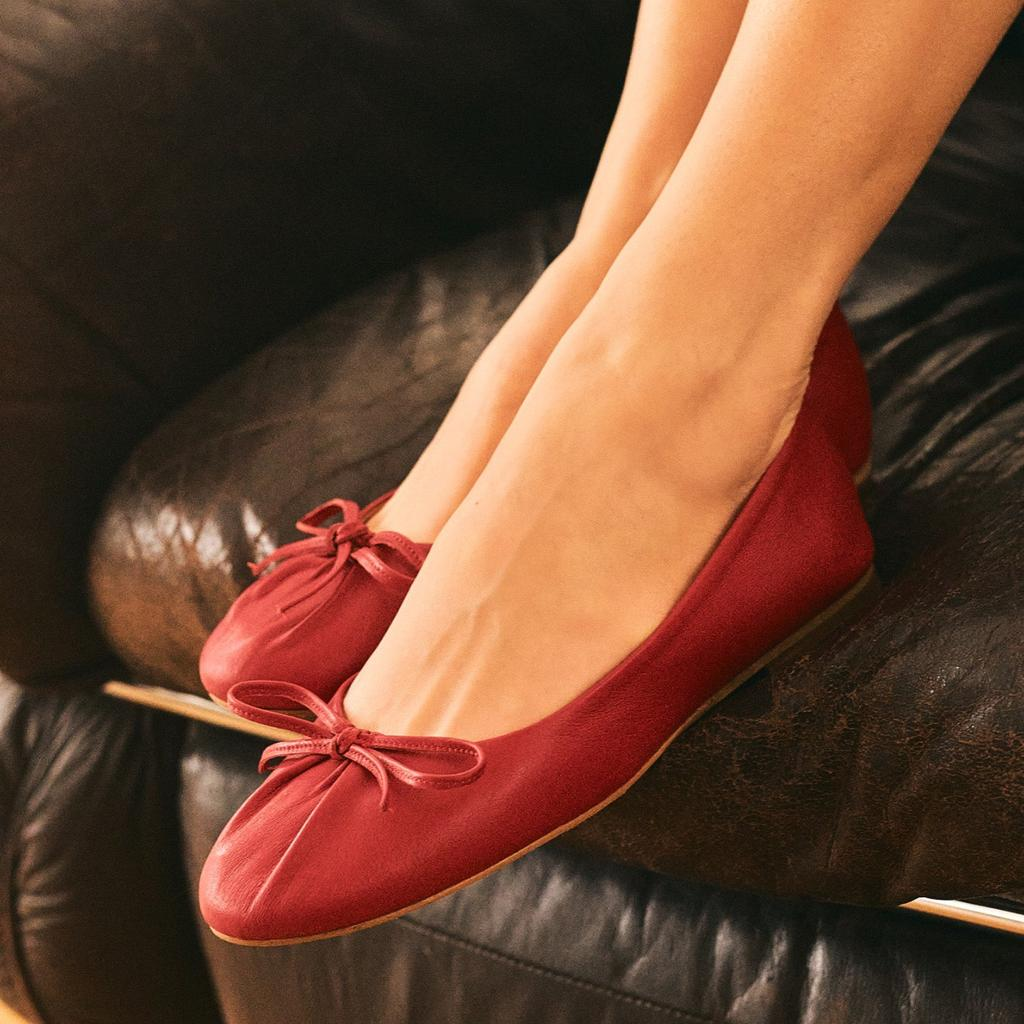
Genuine leather comes from animal hide. Its natural fiber structure gives it a distinctive appearance, feel and wearing characteristics.
Leather can develop a unique surface character over time and, depending on the type and finish, can adapt to the shape of the foot. However, natural variations in grain, thickness and surface markings also need to be considered during production.
Microfiber-based artificial leather offers a different set of advantages. It can provide a more uniform color, thickness and surface appearance, which may make material cutting and production planning easier.
For sports and casual footwear, this consistency can be useful, particularly when the design involves multiple panels or requires a controlled visual finish.
But genuine leather and microfiber cannot be compared simply as good and bad materials. Breathability, flexibility, abrasion resistance, moisture behavior and durability depend on the specific products being compared.
For footwear brands, the right question is not which material is more premium, but which one is better suited to the intended shoe.
4. Why Is Microfiber Used in Sports Shoes?
Sports shoes often need to balance flexibility, support, weight and durability. They may also require materials that can be cut and stitched consistently across many pairs.
Microfiber materials can be useful in these applications because suitable grades offer predictable thickness, controlled surface appearance and a range of softness and strength.
They may be used for upper panels, reinforcement areas or other parts that need a leather-like finish.
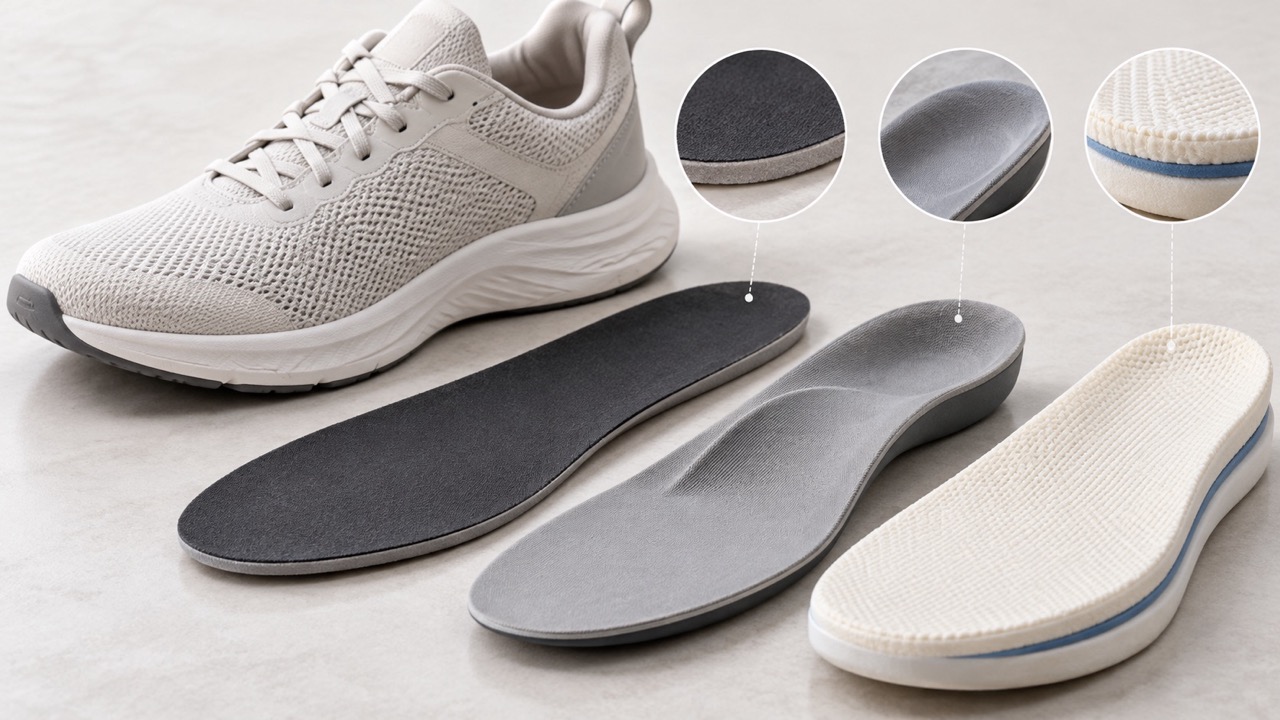
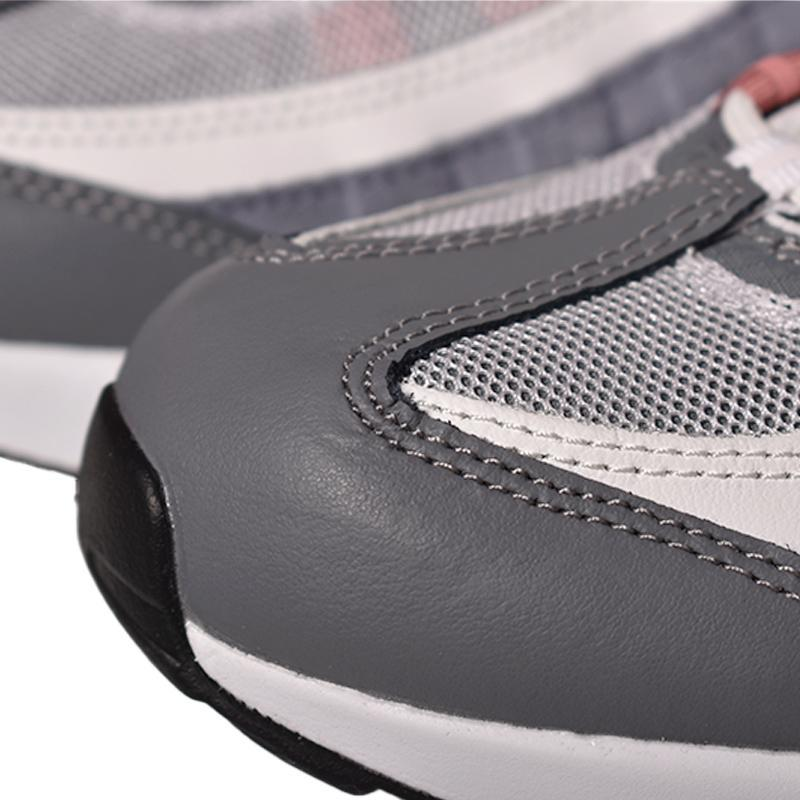
For example, a sports-inspired sneaker may combine microfiber panels with breathable mesh. The microfiber helps provide structure and appearance, while the mesh allows more ventilation in selected areas.
This is also why a shoe does not always need to be made entirely from one material. Combining materials according to the function of each part can produce a better result than using a single material throughout the upper.
5. Is Microfiber Always Cheaper and More Durable?
Not necessarily.
Basic synthetic leather is often relatively affordable, but higher-specification microfiber materials can cost considerably more than ordinary PU leather. Depending on the grade, they may even overlap with some genuine leather price ranges.
Durability also depends on the material specification.
A good material for footwear should be evaluated for repeated bending, surface wear, tearing, colorfastness and the stability of its coating or internal structure.
Polyurethane-based materials may also change with aging, heat and moisture, so long-term performance cannot be assumed from a product name alone.
Similarly, a synthetic material is not automatically waterproof, breathable or environmentally friendly.
If a brand requires particular performance or animal-free material claims, the material composition, other shoe components and relevant test results should be confirmed.
6. How Should Brands Choose the Right Material?
For a fashion sneaker, surface appearance and color consistency may be especially important. A performance-oriented shoe may place greater emphasis on flexibility, strength and resistance to repeated movement. A leather dress shoe may call for the appearance and wearing characteristics of natural leather.
Before choosing a material, brands should consider the design, expected use, desired feel, target price and production quantity.
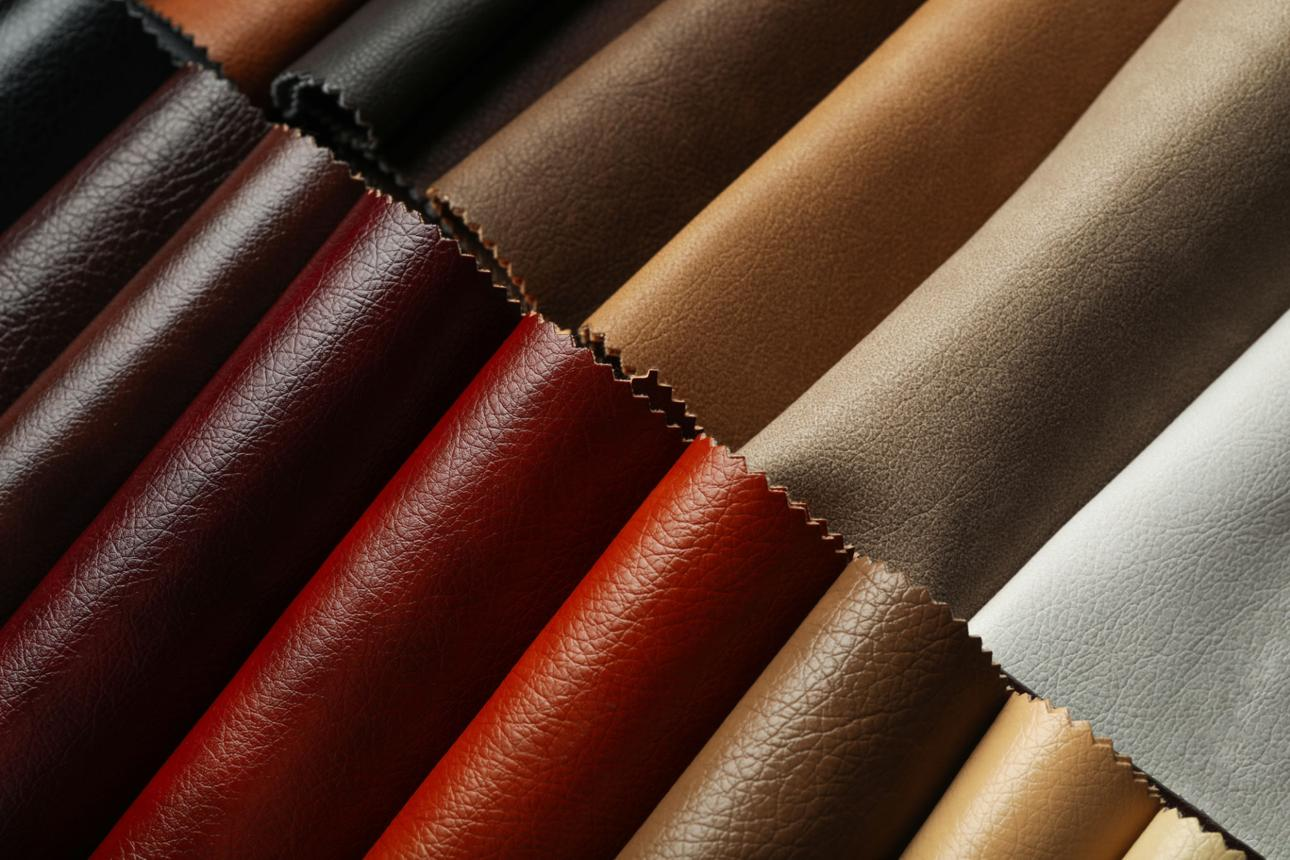
It is also worth reviewing actual material samples rather than relying only on photographs. Two black materials may look nearly identical on a screen but feel very different when bent or stretched.
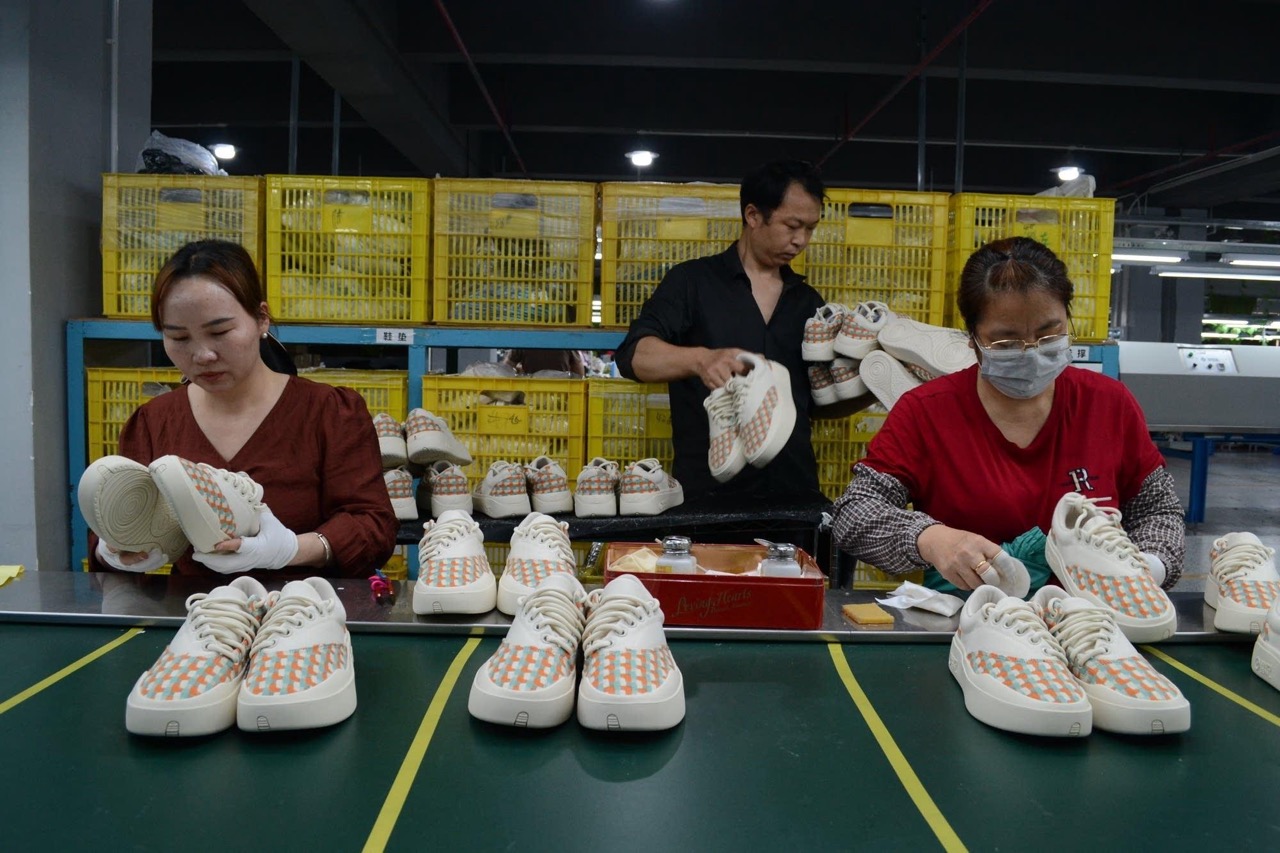
During shoe sampling, the material should be evaluated as part of the finished upper, including how it behaves during stitching, lasting and walking.
Material Selection at Asahihara Co., Ltd.
At Asahihara Co., Ltd., upper material selection is considered together with the shoe's design, construction, expected quantity and target price.
Depending on the project, we can coordinate genuine leather, microfiber-based artificial leather, conventional synthetic materials and combinations with mesh or textiles.
During sample development, we review the material's appearance, thickness, flexibility and suitability for the intended construction. Where specific performance requirements apply, material specifications and appropriate testing can be discussed before bulk production.
The goal is not to recommend the most expensive material, but to find one that works for the product and can be reproduced consistently in manufacturing.
Conclusion
Genuine leather, conventional PU synthetic leather and microfiber-based artificial leather each have their own advantages.
Genuine leather offers natural character and material properties. Conventional PU leather provides practical options across many footwear categories. Microfiber-based materials can combine a leather-like appearance with controlled thickness and consistent surface quality.
None is automatically the best choice for every shoe.
What matters is the material's actual quality, how it performs in the finished shoe and whether it suits the brand's design and production requirements.
Brands developing sneakers, leather shoes or other custom footwear can contact Asahihara Co., Ltd. with reference images, expected quantity, preferred materials and target price.