


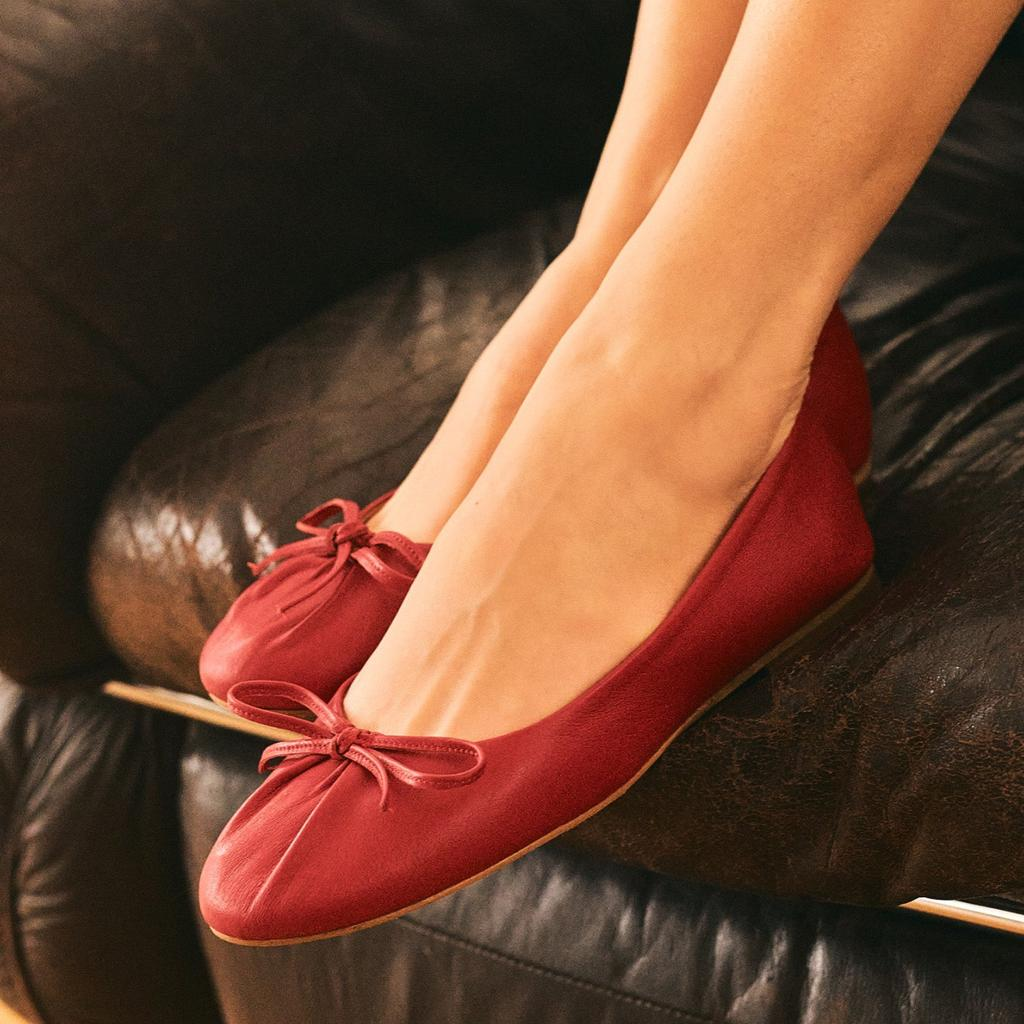
What Makes Ballet Flats Comfortable? Fit, Materials and Sole Design
1. The Shoe Last Determines More Than the Shape
The shoe last is the foot-shaped form used to create a shoe. It determines much of the shoe's internal space and overall silhouette.
For ballet flats, the last is particularly important because the upper covers less of the foot than a sneaker or boot. The shoe needs enough space around the toes without becoming too loose around the heel.
A narrow toe shape may look elegant, but it should not force the toes together. Similarly, making the entire shoe tighter is not a reliable way to prevent heel slipping.
The challenge is to create a refined silhouette while leaving enough room for the foot to move naturally.
2. The Shape of the Opening Changes the Fit
One of the most recognizable features of ballet flats is the opening across the top of the foot. In footwear design, the front part of this opening is related to the vamp.
A lower-cut opening creates a delicate, open look. A higher-cut design covers more of the foot and may help the shoe feel more secure.
Neither is automatically better. The result depends on the last, pattern and intended design.
The edge of the opening also deserves attention. If it is too tight or has a rough finish, it may press against the foot. If it is too loose, the upper may not hold its shape or fit as intended.
For brands developing ballet flats, this is one reason the upper pattern should be reviewed on an actual foot rather than approved from drawings alone.
3. Why Heel Fit Matters So Much
Unlike sneakers, traditional ballet flats usually have no laces to adjust the fit. The shoe relies on its shape and upper construction to stay on the foot.
If the heel area is too loose, the back of the shoe may lift while walking. Making it excessively tight, however, can create rubbing or pressure.
The shape of the heel area, the flexibility of the upper and the finish of the lining all affect how the shoe feels.
Sometimes a small pattern adjustment can improve the fit more effectively than adding extra padding or elastic.
This is also why a sample that feels comfortable while standing should be tested while walking.
4. Materials Affect Both Appearance and Comfort
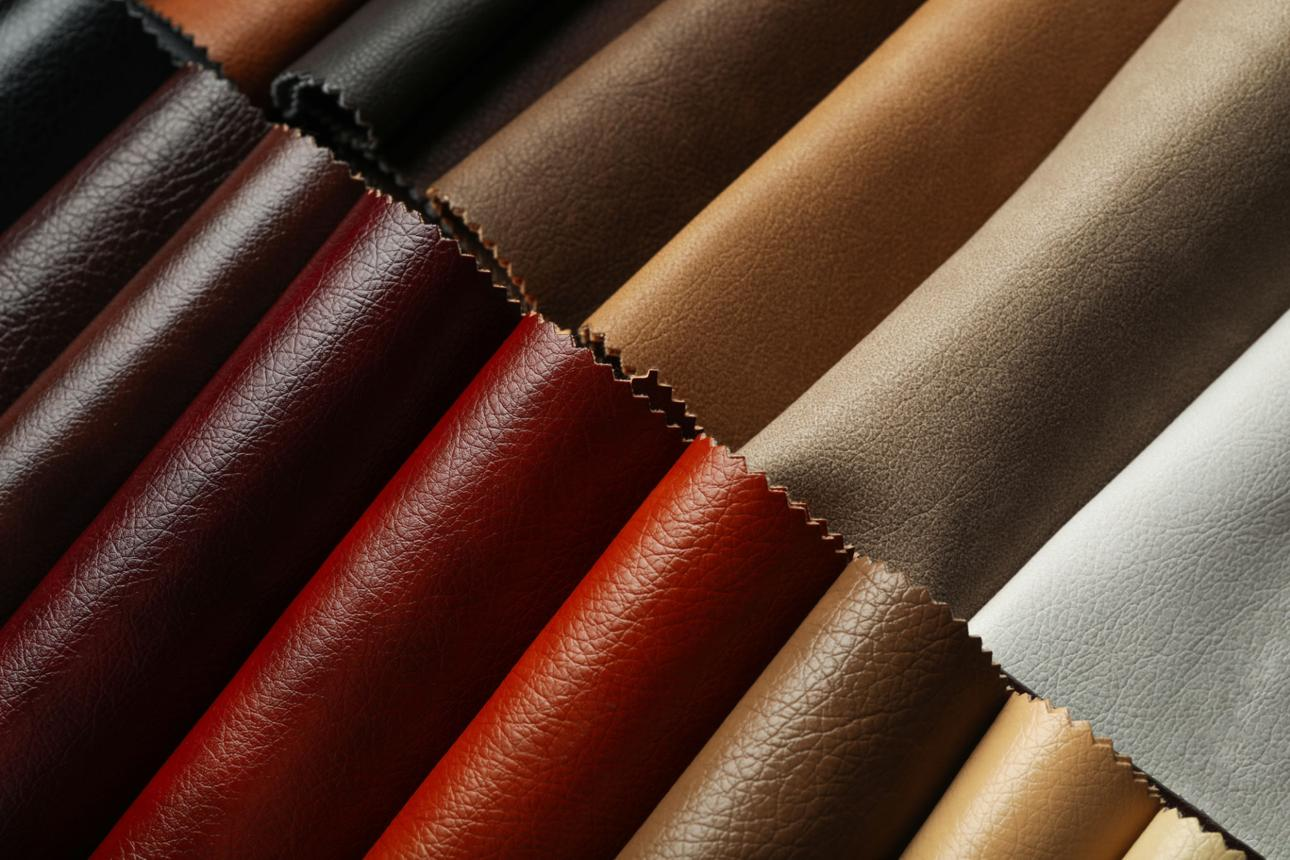
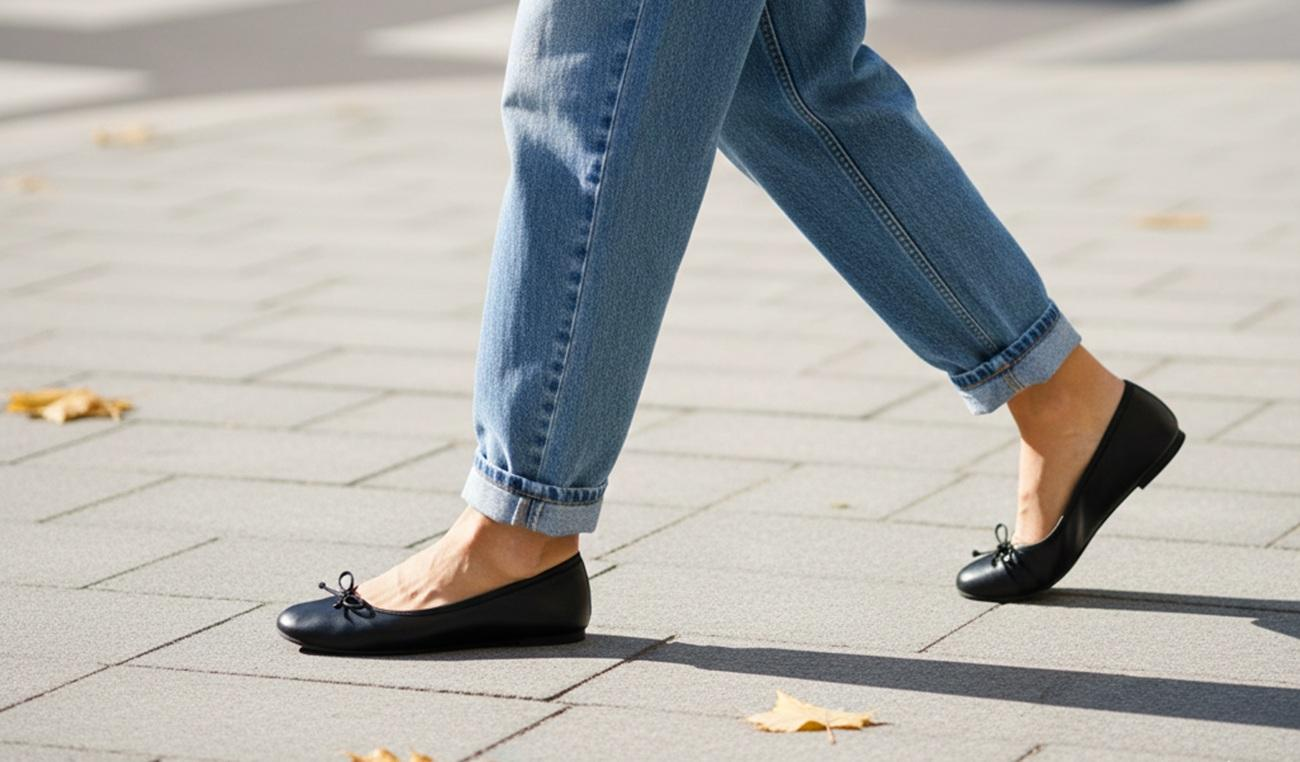
Ballet flats can be made from soft leather, synthetic leather, suede, textiles and other materials. Each creates a different appearance and wearing experience.
Soft leather can follow the shape of the foot more naturally, while a firmer material may help the shoe maintain a particular silhouette. Textile materials can offer different textures and flexibility.
However, softer does not always mean better.
A material that stretches too much may lose some of its original fit. A material that is too stiff may create pressure around the toes or the edge of the opening.
Lining materials and seams also matter because they come into direct contact with the foot.
The best choice is not necessarily the softest or most expensive material, but the material that works with the intended shape and construction.
5. A Thin Sole Is Not the Whole Story
The slim sole is part of the visual appeal of ballet flats. However, sole thickness alone does not determine comfort.
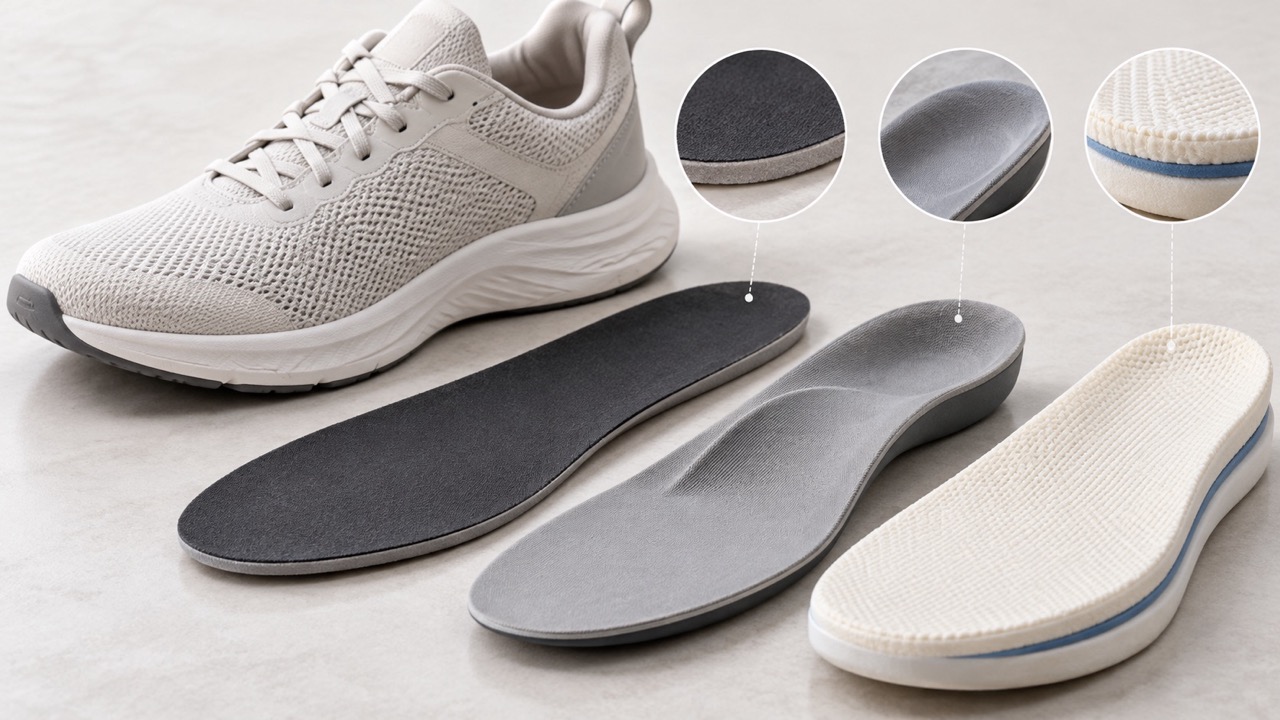
A very thin sole may create a flexible, lightweight feeling, but it may offer limited cushioning on hard surfaces. Adding cushioning can improve the feeling underfoot, although too much thickness may change the fit or silhouette.
The location where the shoe bends is also important. Ideally, it should flex naturally around the forefoot during walking rather than feel unnecessarily stiff or unstable.
For a refined everyday ballet flat, the challenge is to balance a slim appearance with suitable cushioning, flexibility and grip.
6. What Should Brands Check During Sampling?
The real test of a ballet flat is how it fits and moves on the foot.
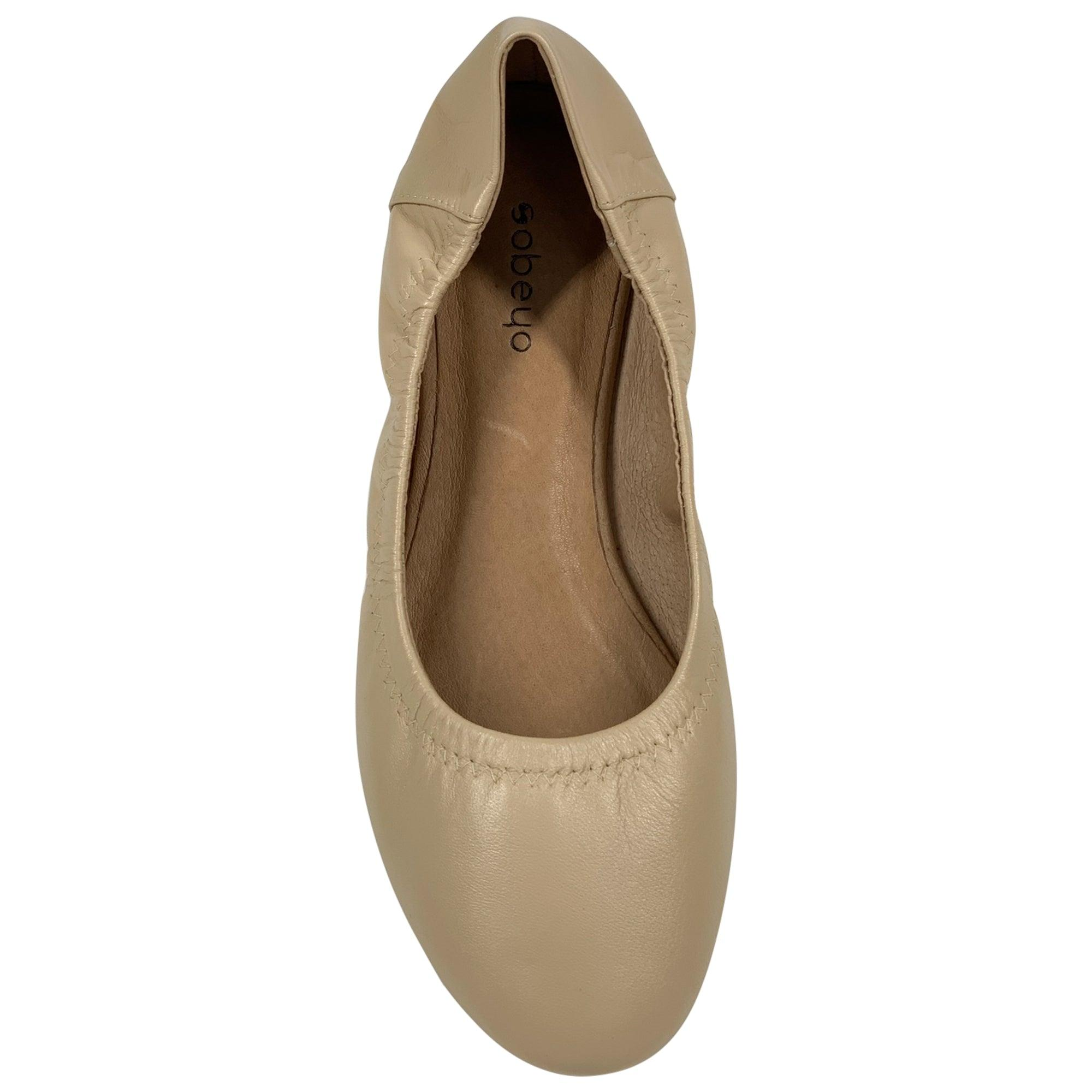
During sample development, brands should look beyond the appearance and evaluate whether the toes have enough space, the heel stays reasonably secure and the edge of the upper feels comfortable.
Walking tests are particularly useful. A sample should be checked while standing, walking and turning, rather than judged only from product photos.
It is also worth checking more than one foot shape where practical. A shoe that fits one person perfectly may feel different on another person wearing the same nominal size.
Before bulk production, the approved last, upper pattern, materials and sole should be consistent with the final sample. Size grading should also be reviewed so that the intended proportions are maintained across the range.
Ballet Flat Development at Asahihara Co., Ltd.
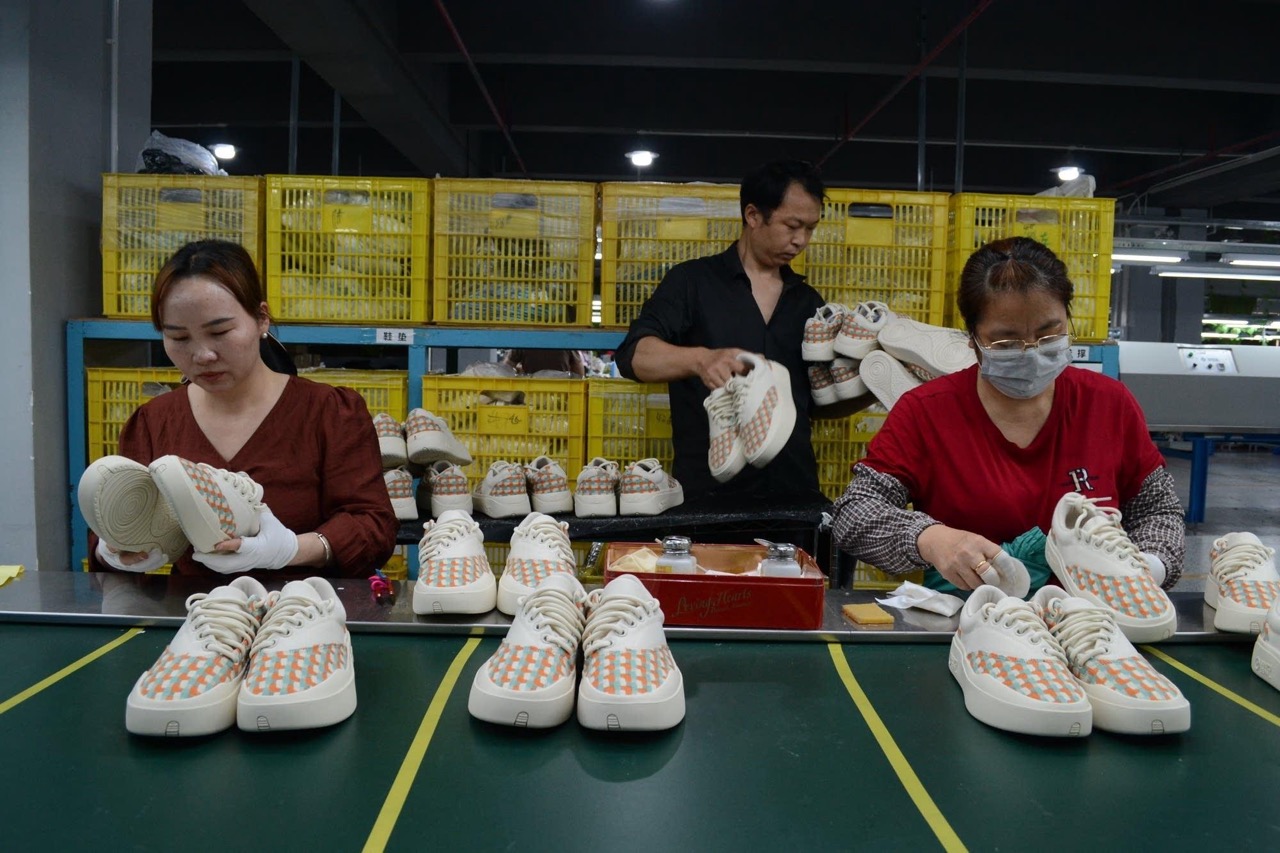
At Asahihara Co., Ltd., we support women's footwear development through our own women's shoe production base and selected partner factories.
For ballet flats and other women's footwear, development begins with the intended silhouette, materials, last, fit requirements, production quantity and target price.
During sampling, details such as the upper opening, heel fit, lining, cushioning and outsole can be reviewed together rather than treated as separate decisions.
The objective is to create footwear that reflects the brand's design while remaining practical to manufacture and comfortable for its intended use.
Conclusion
A comfortable ballet flat is not simply a soft shoe with a thin sole.
Its fit depends on how the last, upper opening, heel construction, materials and sole work together. Small changes in these areas can make a noticeable difference.
For brands developing ballet flats, it is worth spending time on the physical sample instead of judging the design only by its appearance.
Good footwear development is about finding the right balance between the shape a brand wants and the fit the wearer needs.
Brands planning a ballet flat or women's casual footwear collection may contact Asahihara Co., Ltd. with reference images, expected quantity, size range and material preferences.