




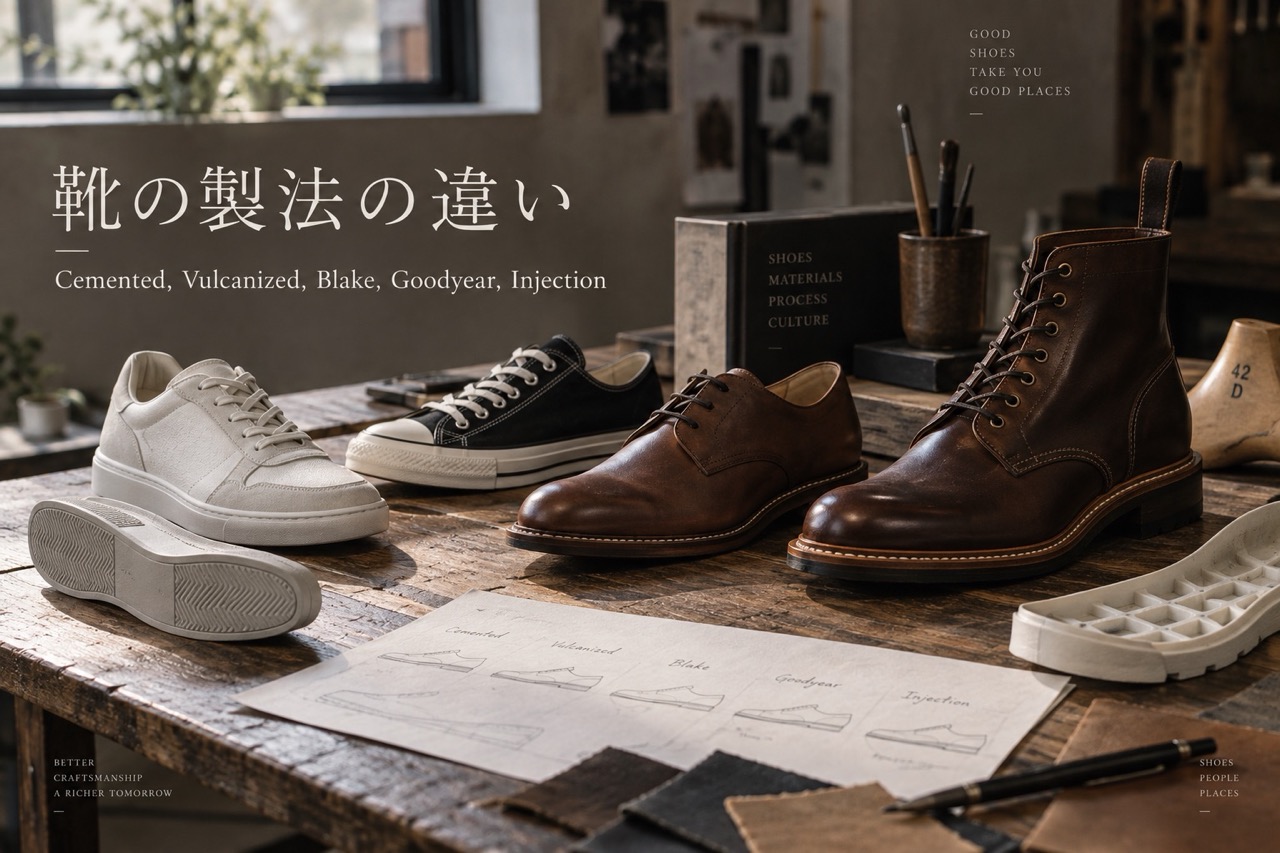
Shoe Construction Methods Explained: Cemented, Vulcanized, Blake, Goodyear Welted and Injection
How a shoe is made affects its appearance, flexibility, weight, durability, cost, MOQ and development process. This article explains five common footwear construction methods—cemented, vulcanized, Blake, Goodyear welted and injection—in simple terms. When developing footwear, brands often spend a lot of time discussing materials, colors and outsole designs. But another important question is often overlooked: How will the upper and sole actually be put together? This is what footwear “construction” means. In very simple terms: Cemented = bonded with adhesive Vulcanized = rubber is bonded and cured with heat Blake = upper and sole are stitched directly together from inside Goodyear Welted = the upper is connected to the sole through a welt Injection = the sole is molded directly onto the upper None of these methods is automatically “better” than the others. The right choice depends on the type of shoe, design, quantity, price, weight, flexibility and intended use.
READ MORE...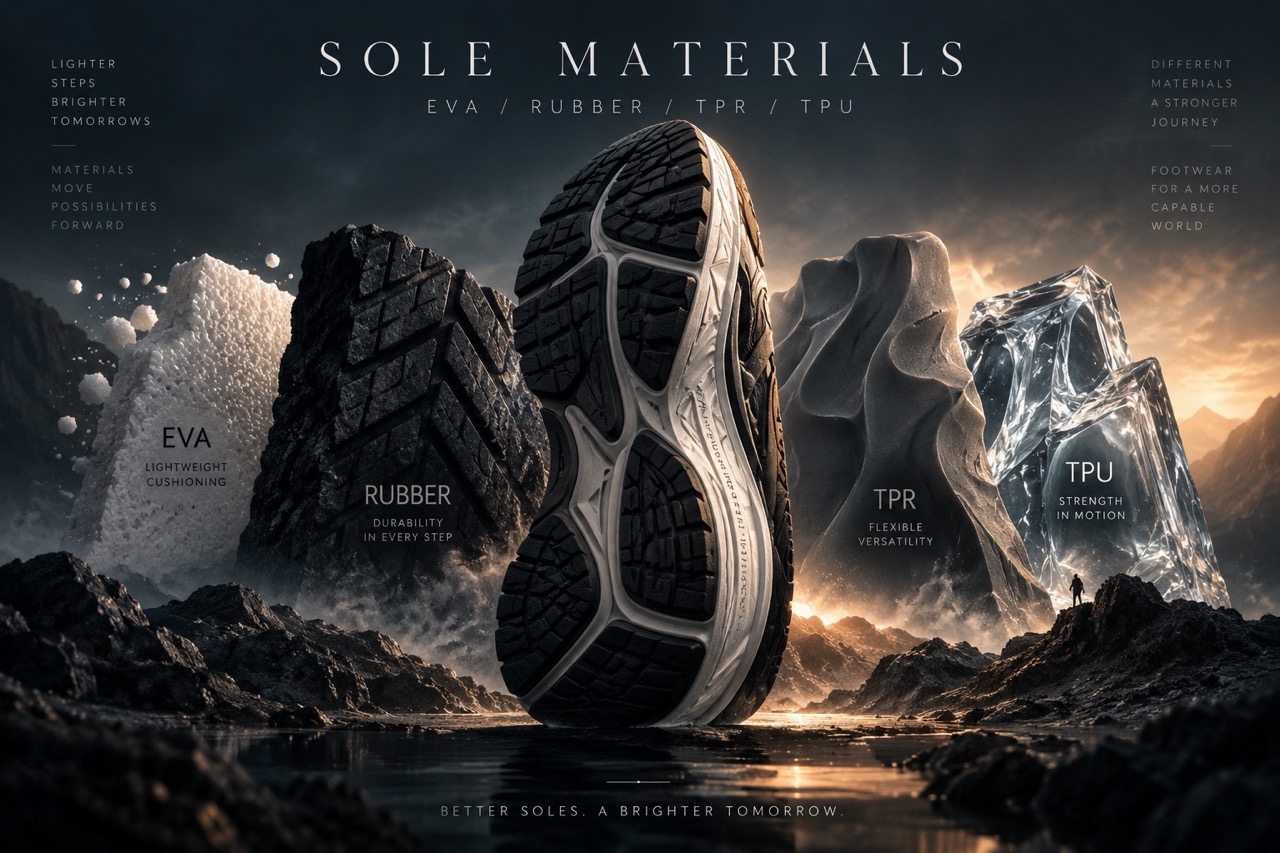
Shoe Sole Materials Explained: EVA, Rubber, TPR and TPU — What Is the Difference?
EVA, rubber, TPR and TPU are common materials used in shoe soles. They are not simply better or worse than one another. Each material has a different role, and many shoes use several of them together. This article explains the differences in simple terms.
READ MORE...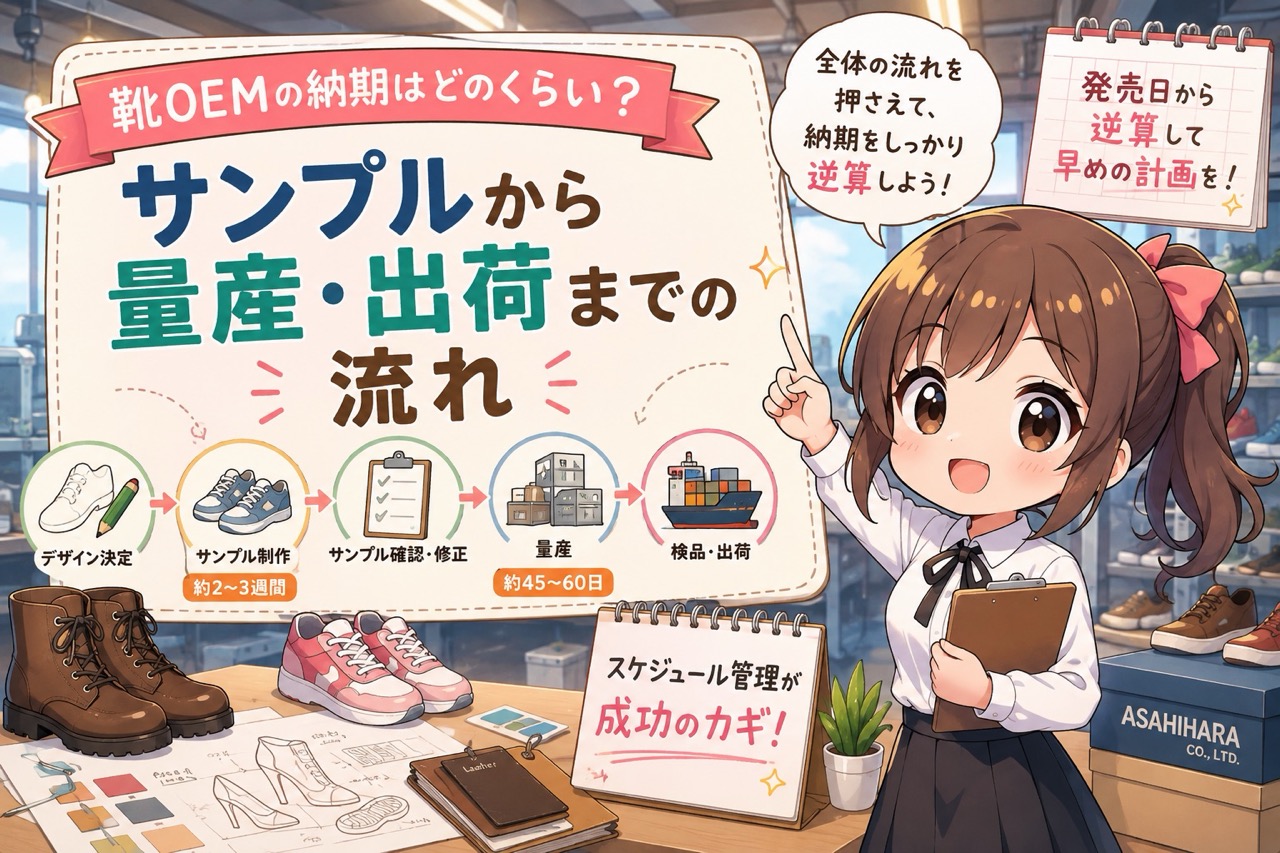
How Long Does Footwear OEM Take? From Sampling to Bulk Production
Footwear OEM lead time includes more than the factory production period. Sampling, revisions, material preparation, bulk production, inspection, and shipping all need to be considered when planning a footwear project.
READ MORE...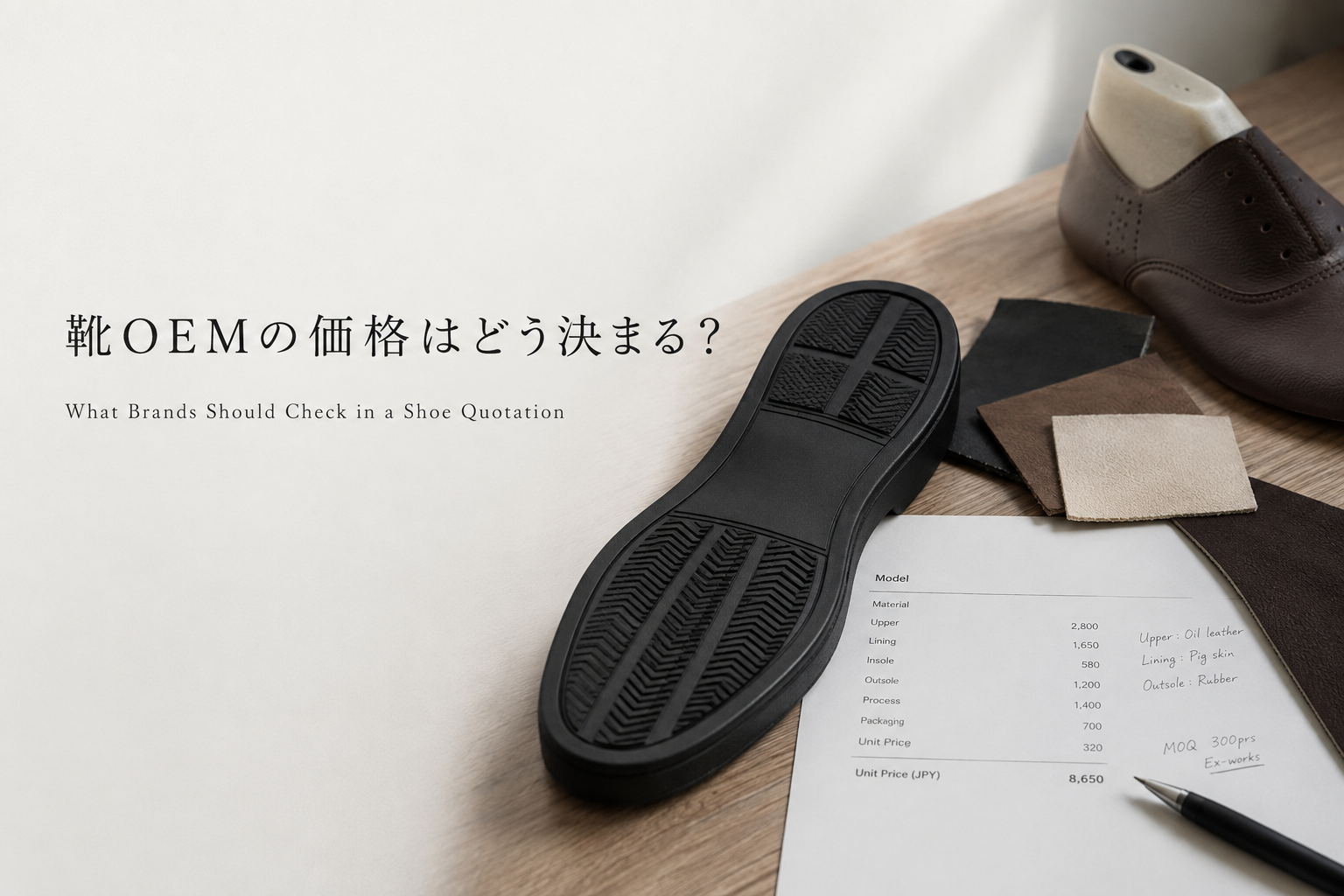
How Is Footwear OEM Pricing Calculated? What Brands Should Check in a Shoe Quotation
Footwear OEM pricing depends on materials, outsole specifications, construction, order quantity, colors, size range, custom components, packaging, inspection, and trade terms. This guide explains what brands should check when comparing shoe manufacturing quotations.
READ MORE...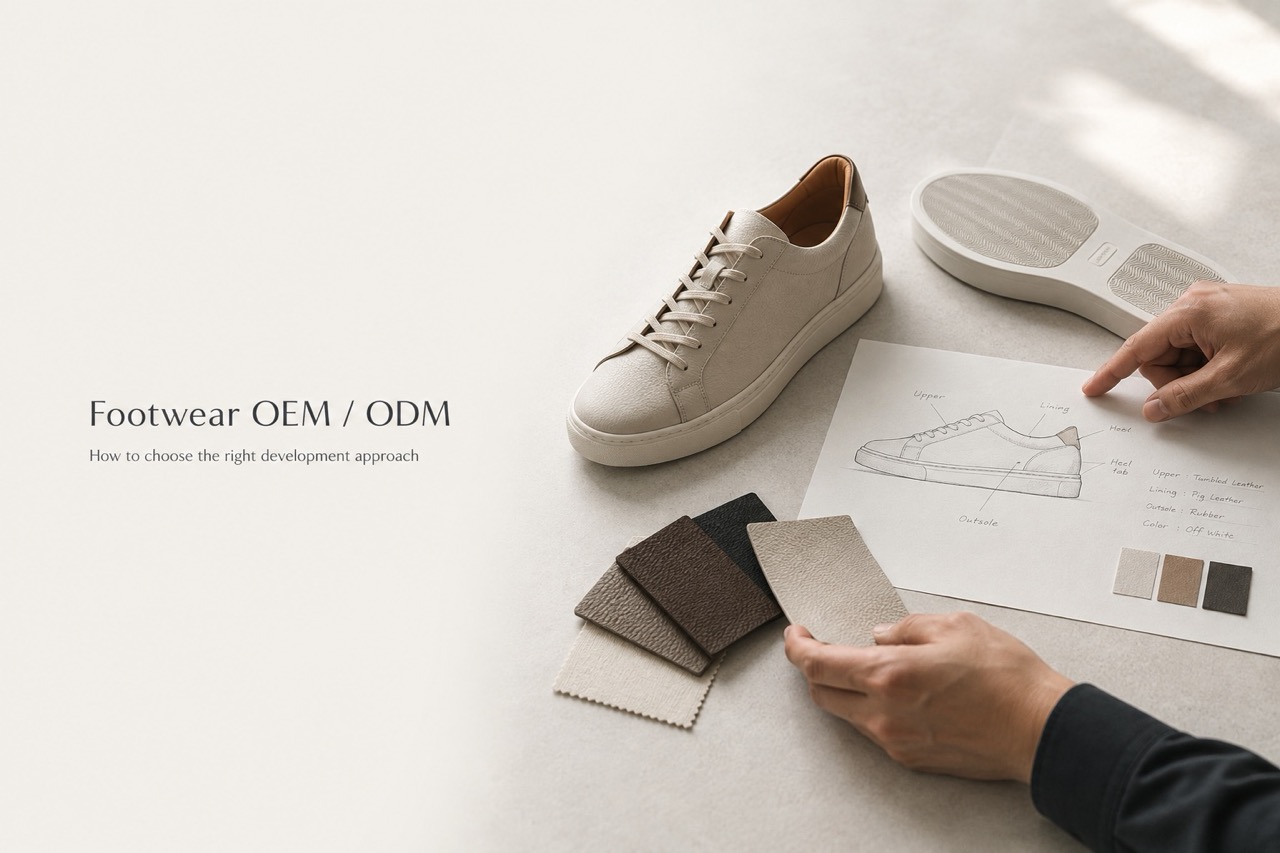
Footwear OEM vs ODM: What Is the Difference and Which Is Right for Your Brand?
Footwear OEM and ODM are often used interchangeably, but the level of supplier involvement can be very different. This guide explains how OEM and ODM work in shoe development, what information brands should prepare, and how to choose the right development approach for a footwear project.
READ MORE...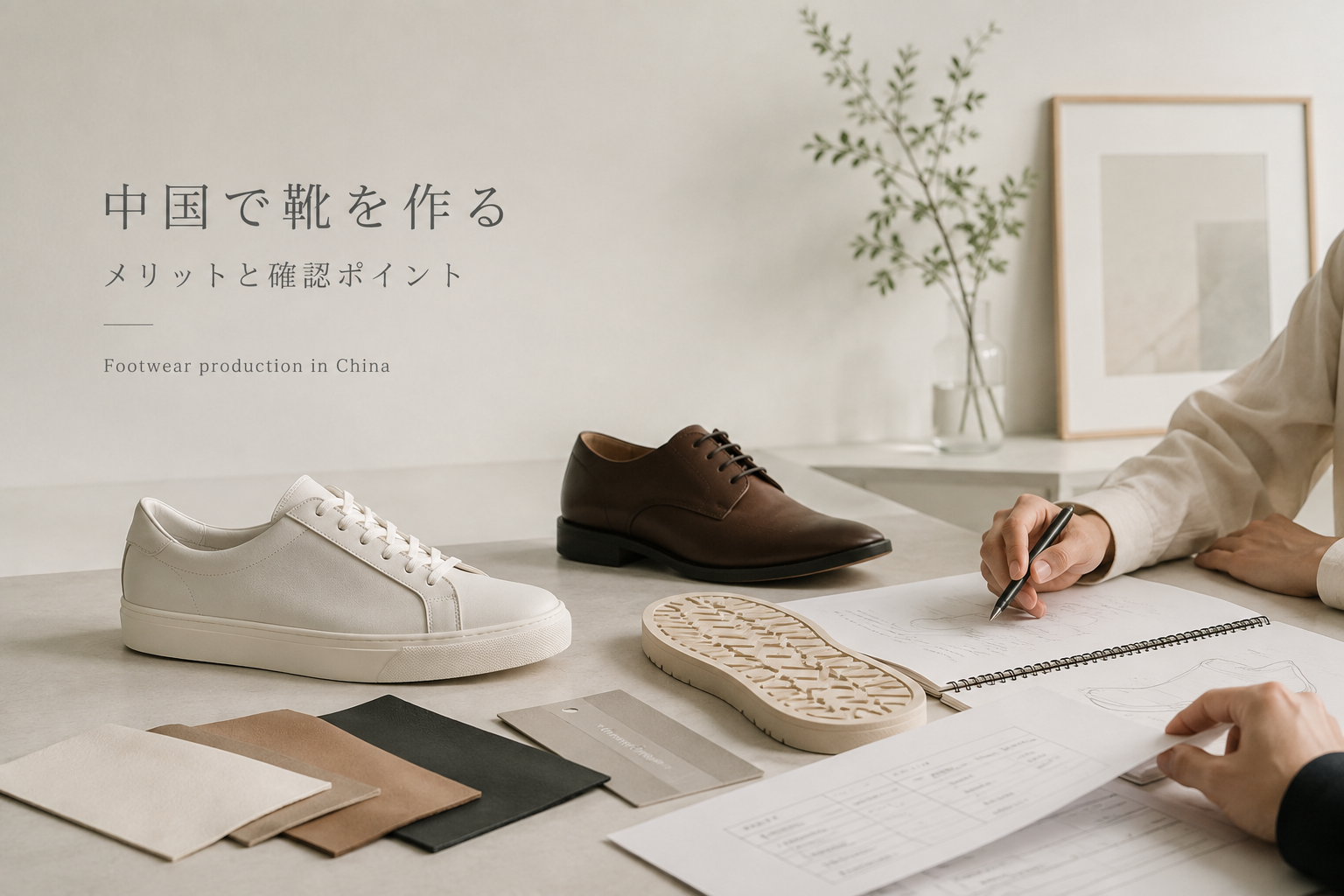
Footwear Manufacturing in China: Advantages and What Brands Should Confirm Before Production
China offers a broad footwear supply chain, specialized production regions, flexible development options, and access to a wide range of materials and components. To use these advantages effectively, brands should confirm the actual production site, MOQ, quotation basis, sample terms, and quality-control process before development begins.
READ MORE...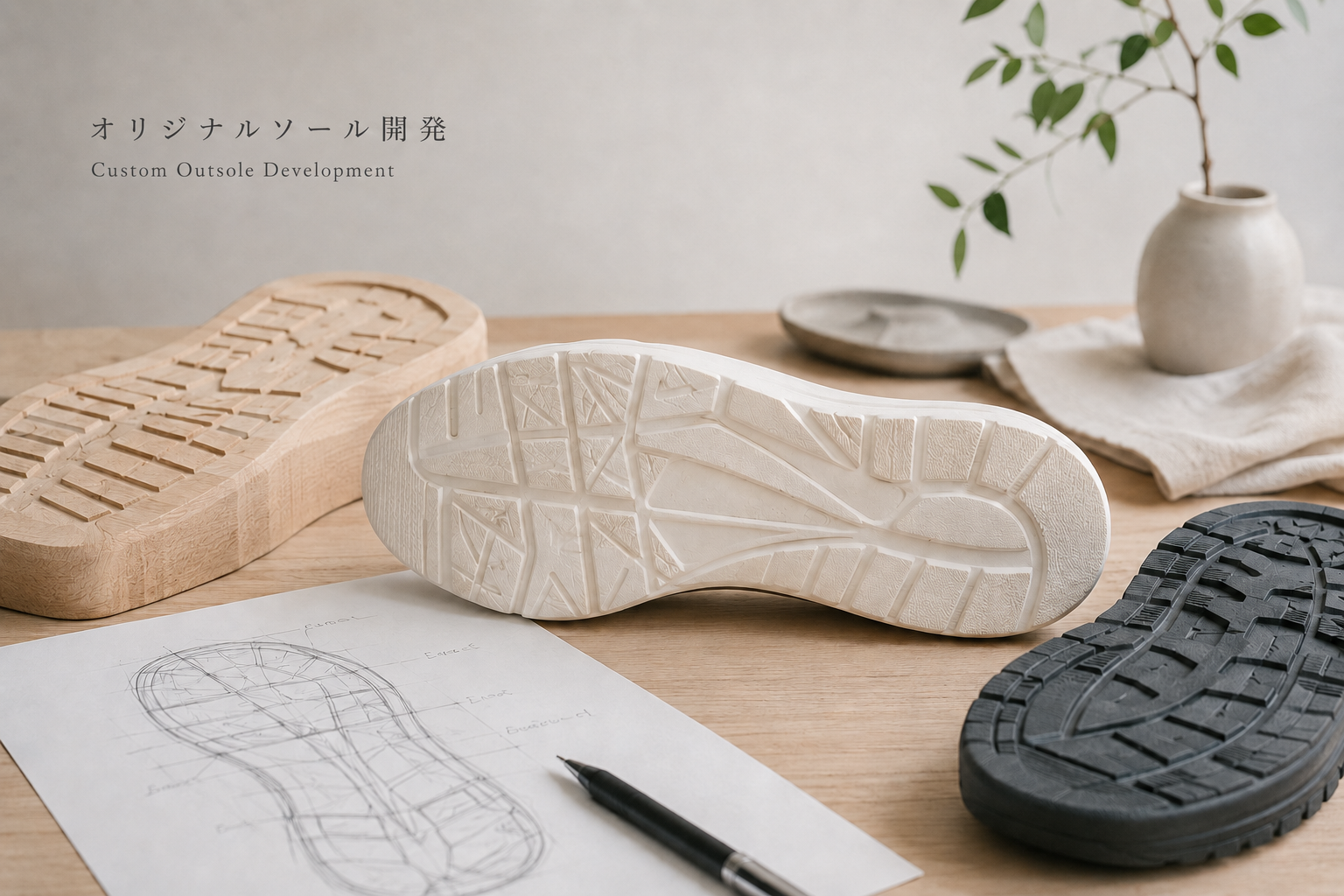
How a Custom Shoe Outsole Mold Is Made: From Design to Trial Outsole
Custom outsole development usually moves from design confirmation to a full-size physical master model, formal mold making, trial outsole production, and complete shoe sampling. This article explains the role of the wooden outsole master model and why it must be approved before production tooling begins.
READ MORE...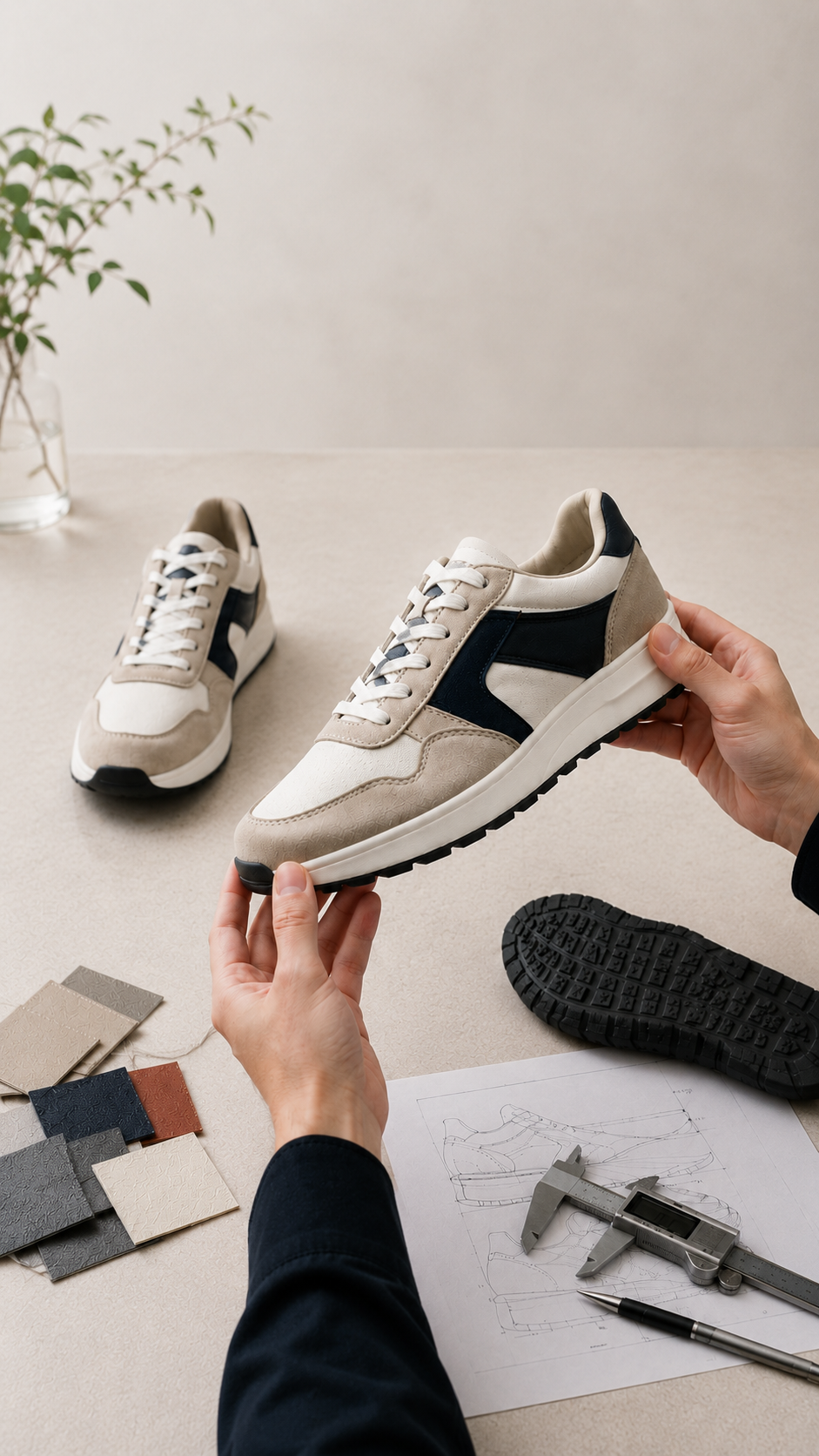
What Brands Should Check When Reviewing a Shoe Sample
A practical guide to reviewing shoe fit, last selection, materials, outsole alignment, workmanship, functional performance, and bulk-production readiness.
READ MORE...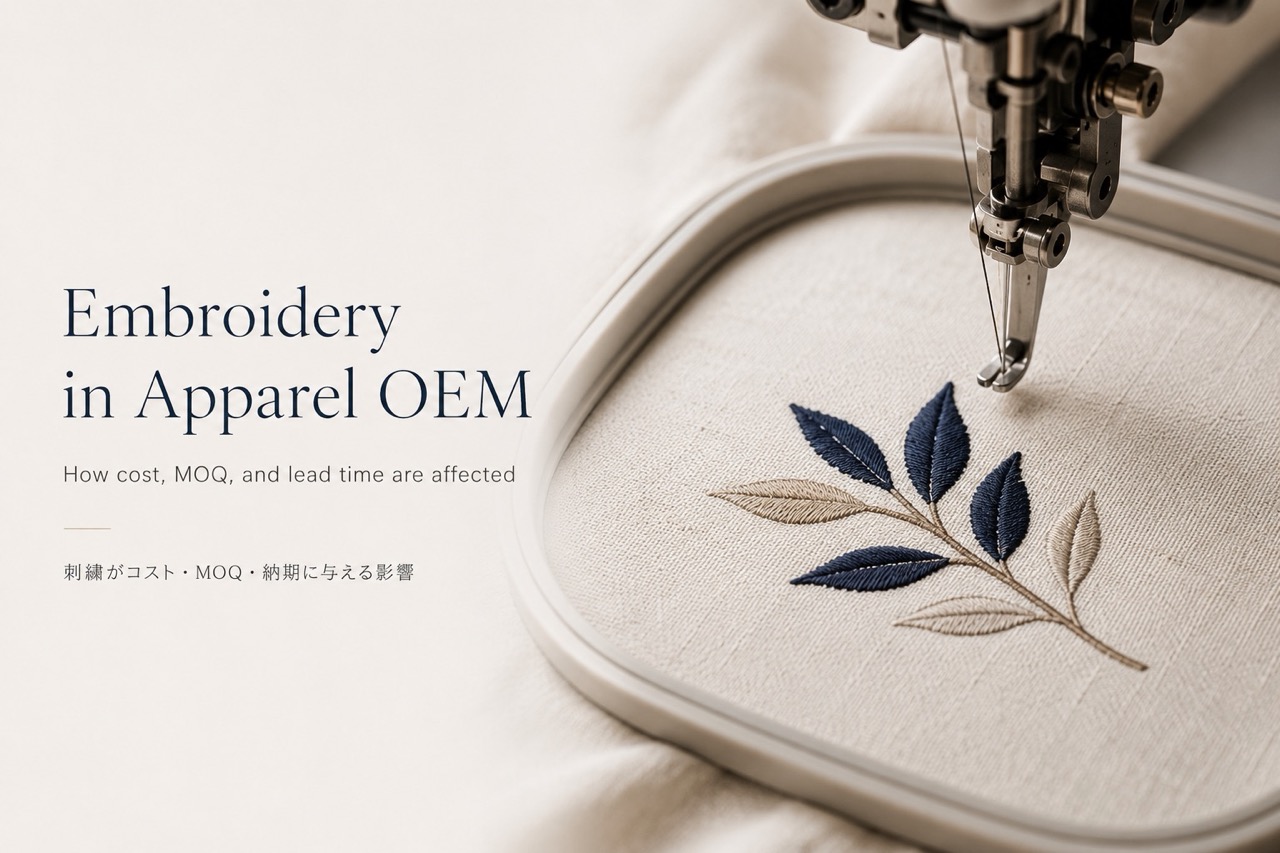
How Embroidery Affects Apparel OEM Cost, MOQ, and Production Lead Time
Embroidery is not just decoration in apparel OEM production. It directly impacts cost, MOQ, sampling complexity, and production lead time depending on stitch density, placement, and material compatibility.
READ MORE...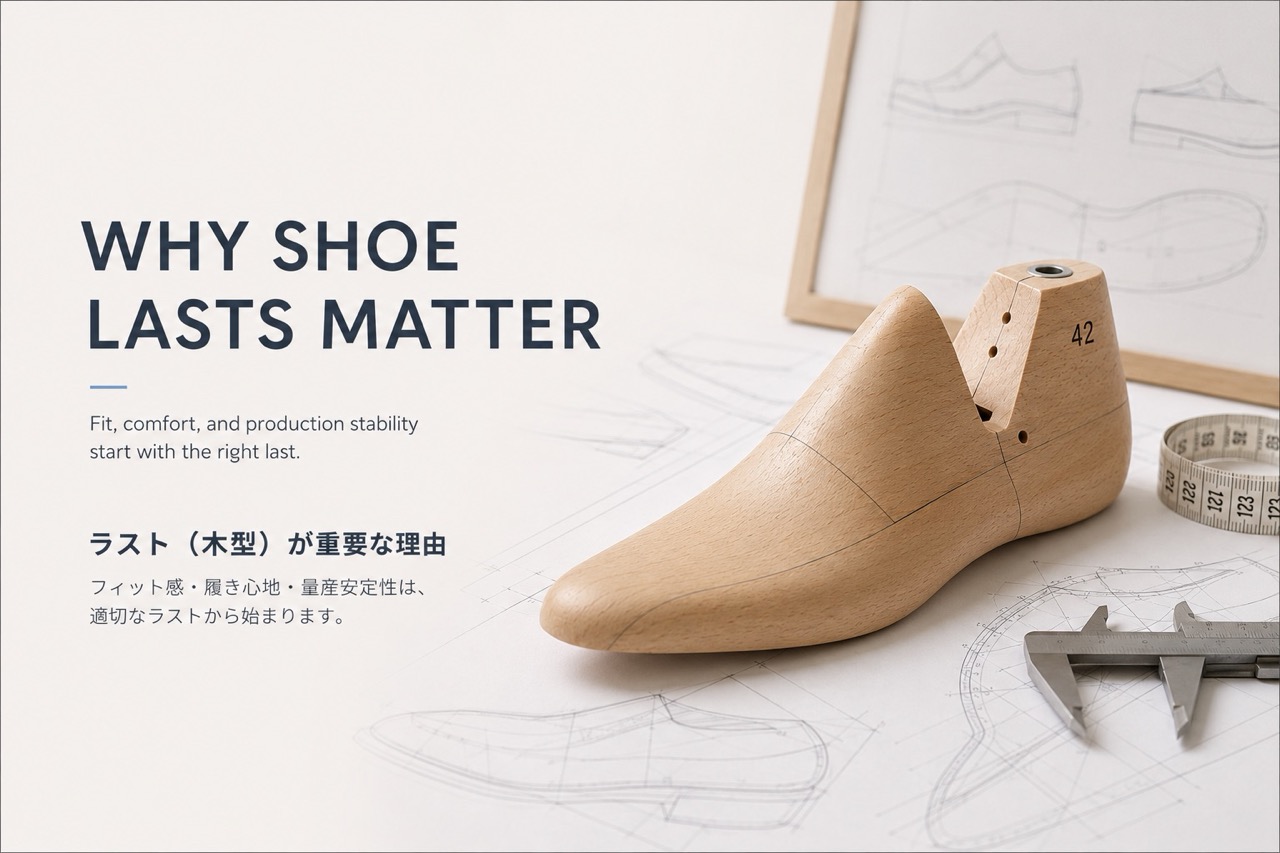
Why Shoe Lasts Matter in Footwear OEM Development
A shoe last affects fit, comfort, structure, outsole matching, and production stability. Learn why brands should confirm last selection early.
READ MORE...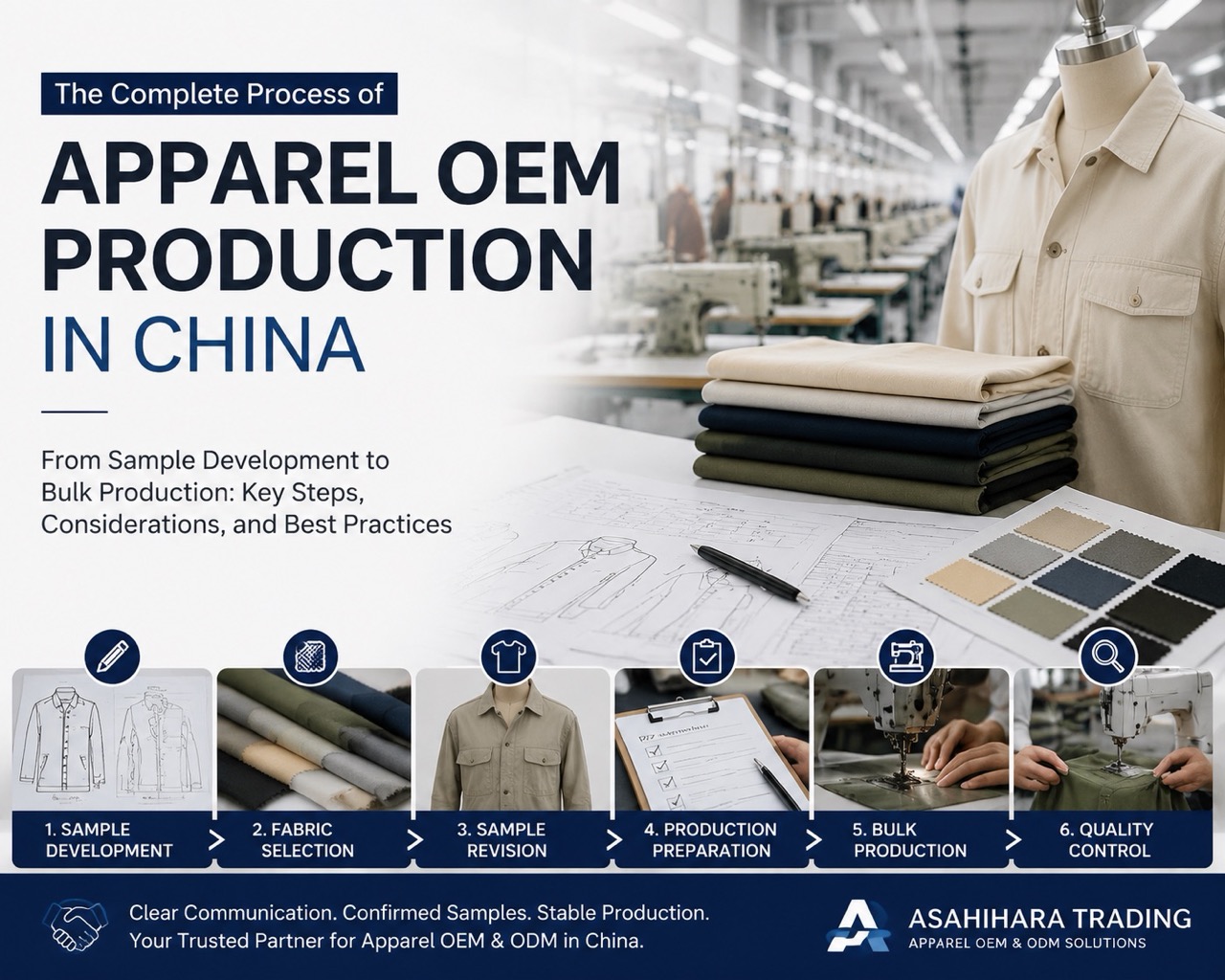
How Apparel OEM Production Is Managed in China From Sample to Bulk Production
This article explains how apparel OEM projects in China move from sampling to bulk production, including fabric sourcing, pattern making, sample approval, and production management.
READ MORE...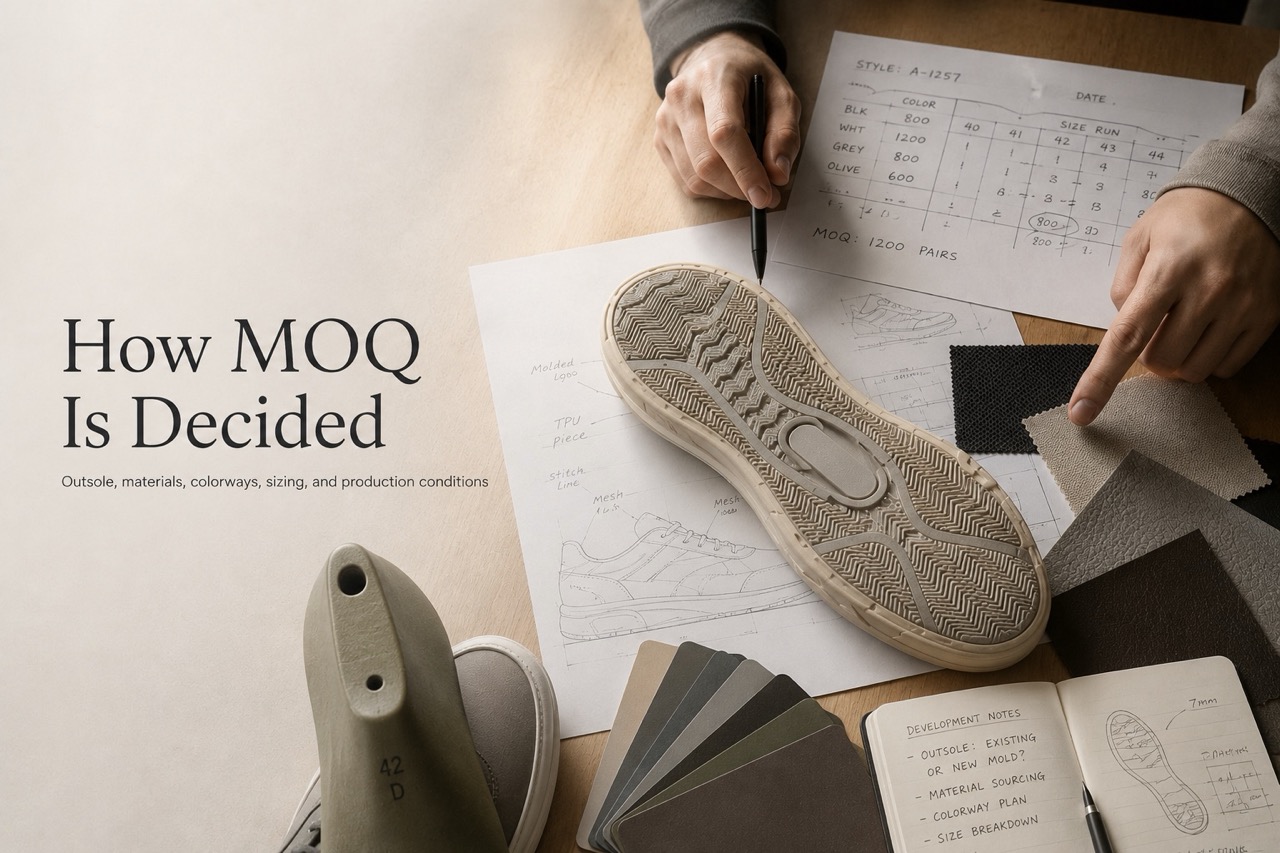
How MOQ for Shoe OEM Production Is Really Decided
MOQ is not just a factory number. It is shaped by outsole choice, materials, colorways, sizing, tooling, and production efficiency.
READ MORE...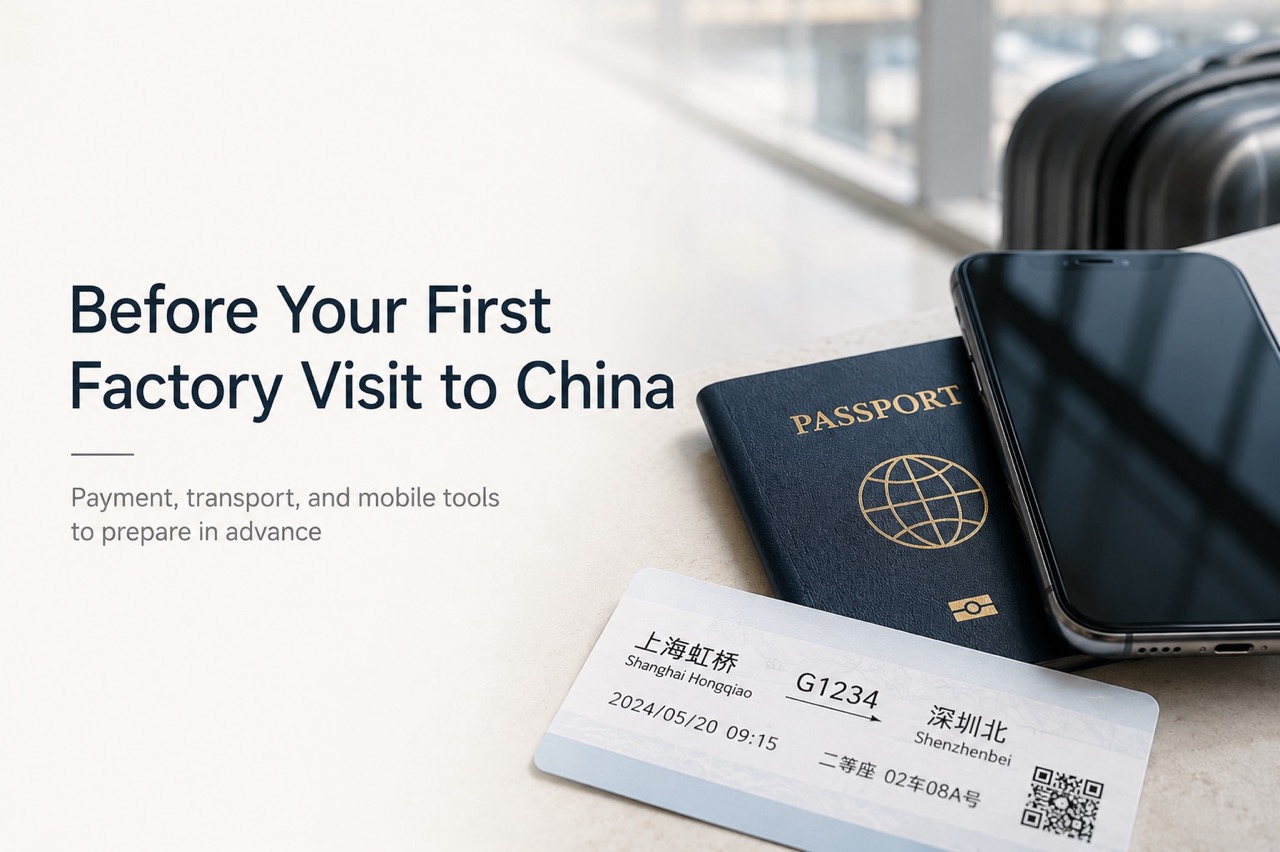
What to Prepare Before Your First Factory Visit to China
Payment, transport, and mobile tools to prepare before arriving in China
READ MORE...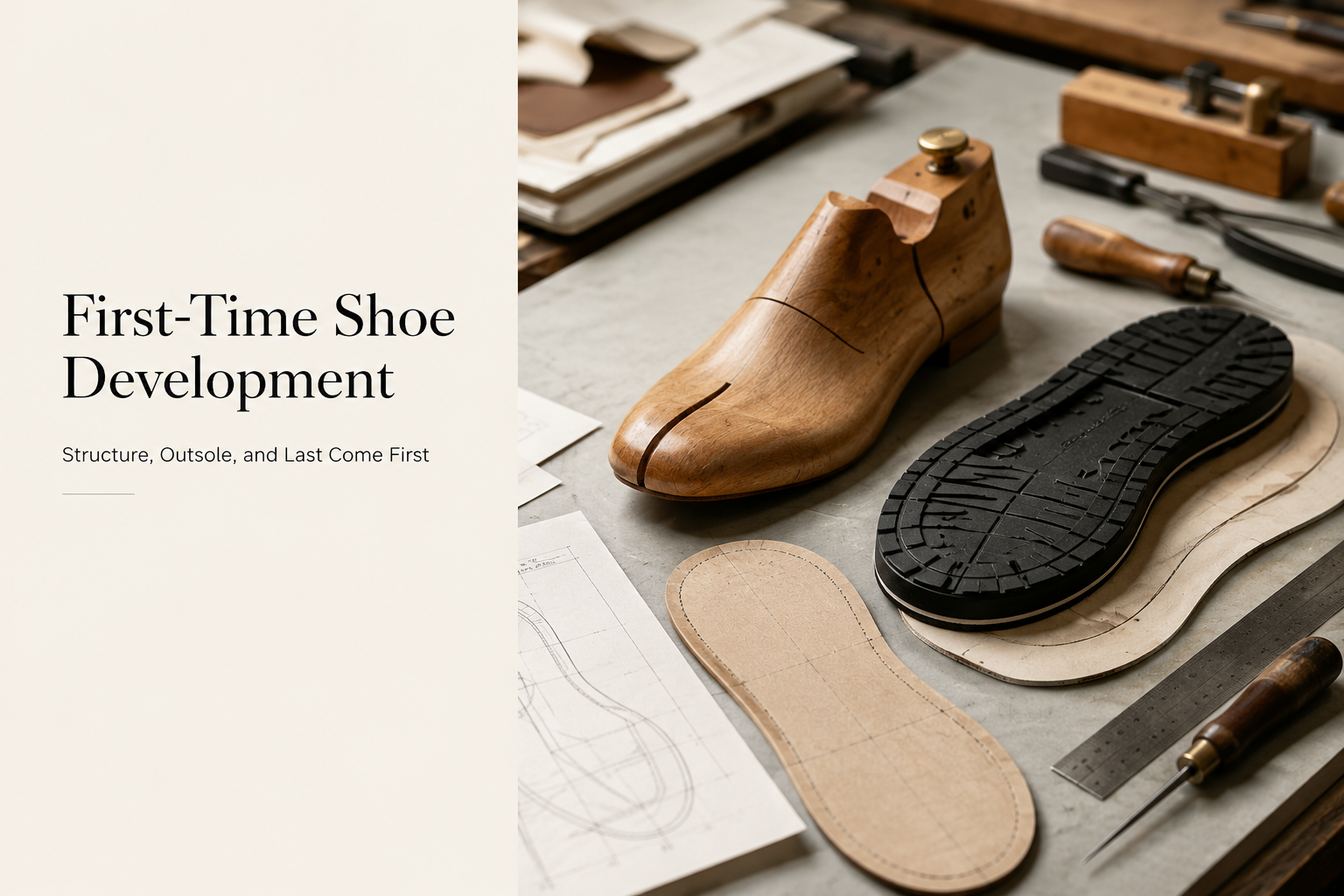
If It’s Your First Time Making Shoes, Confirm the Structure First
Cold cement, vulcanized construction, outsole choice, and the last matter more than most beginners expect
READ MORE...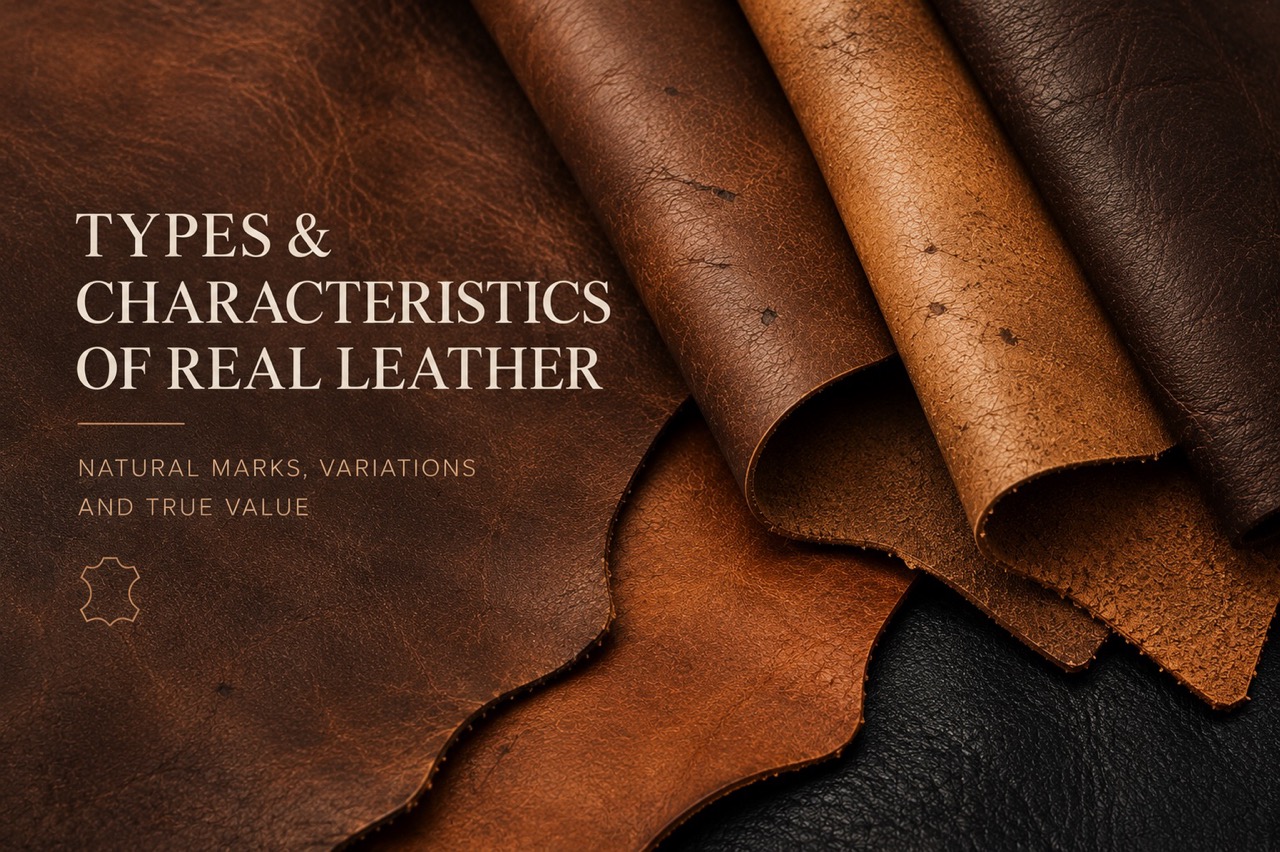
Types and Characteristics of Real Leather
Understanding natural marks, variation, and value in genuine leather
READ MORE...
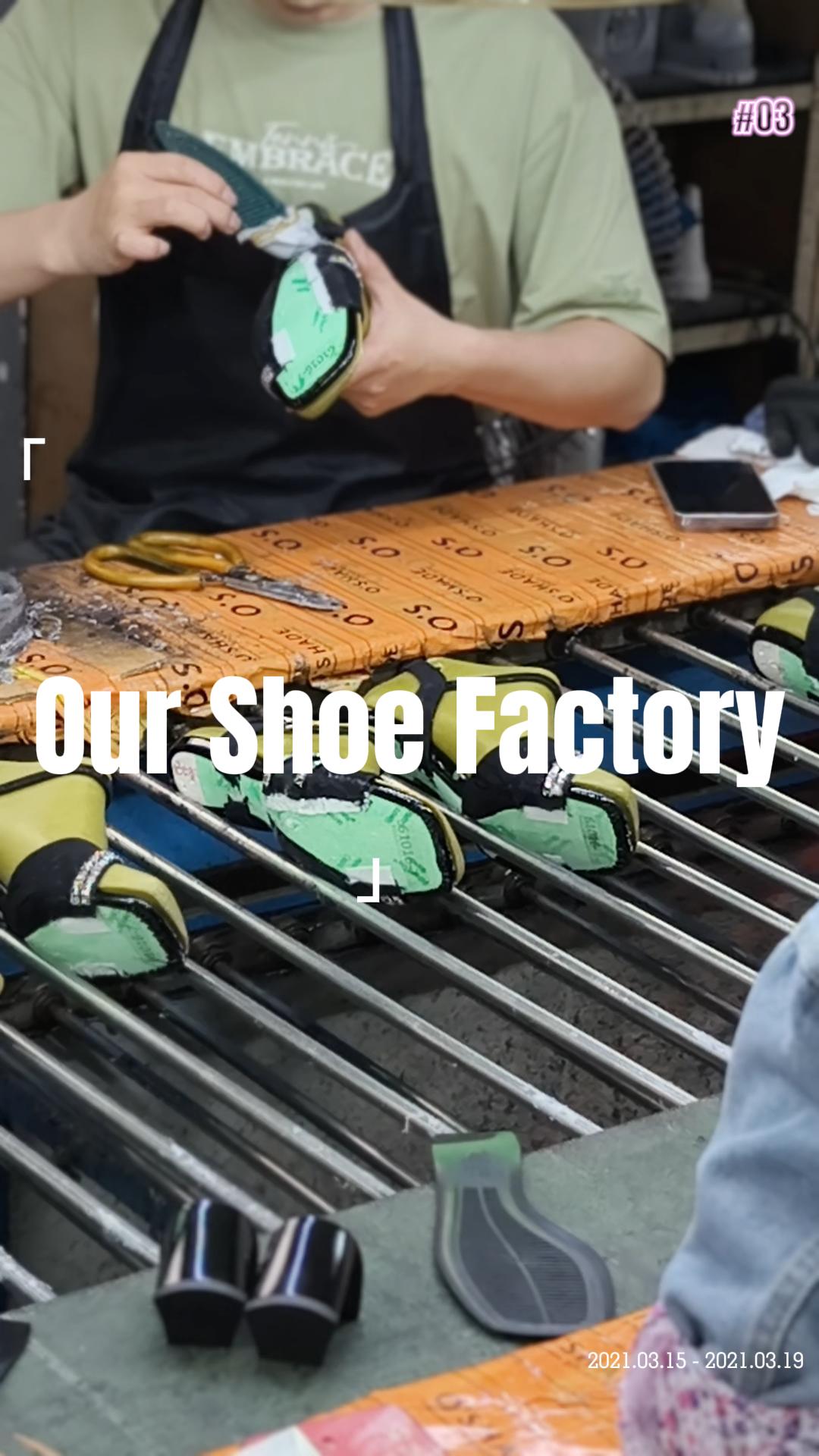
Our Shoe Factory
A quick look at our shoe factory and how shoes are made, from cutting and stitching to lasting and finishing.
READ MORE...