


From Approved Sample to Bulk Production: How Footwear Quality Is Controlled
1. Why an Approved Sample Is Only the Starting Point
An approved sample shows what the brand expects the finished shoe to look and feel like. It provides a reference for the shape, materials, construction and overall appearance.
However, a physical sample cannot communicate every production detail on its own.
For example, the brand and manufacturer may also need to confirm the exact material specifications, color references, stitching details, logo placement, size range and packaging requirements.
A pre-production sample may be used to confirm that these details can be reproduced with the intended production materials and construction.
The goal is to establish one clear standard before the factory begins making the full order.
Without this agreement, even relatively small differences can lead to misunderstandings during production.
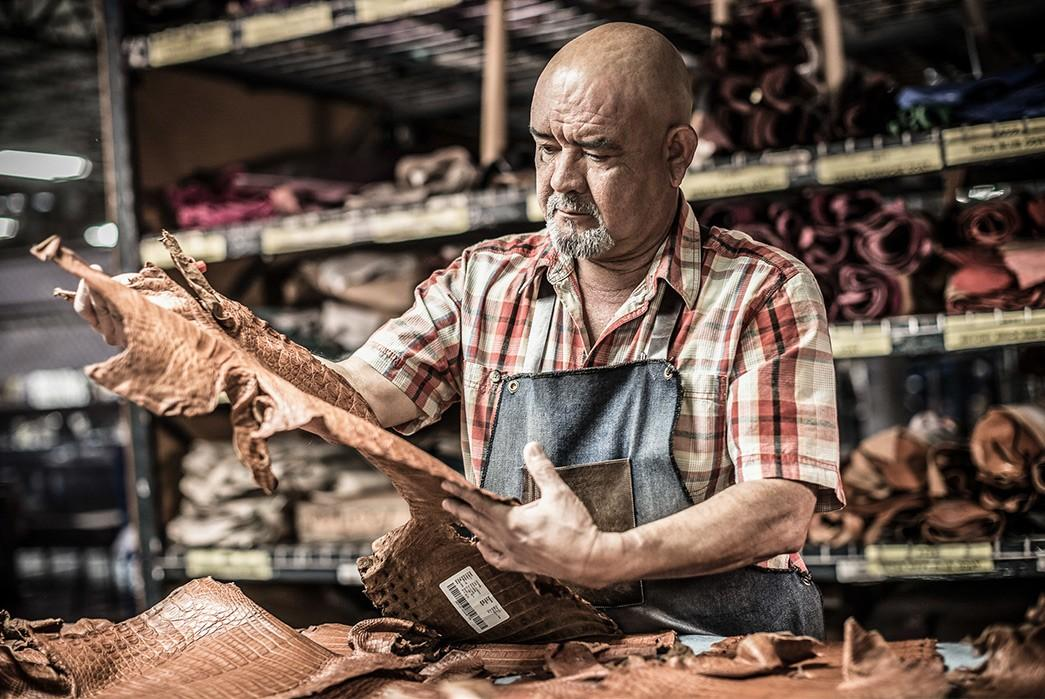
2. Material Consistency Comes Before Manufacturing
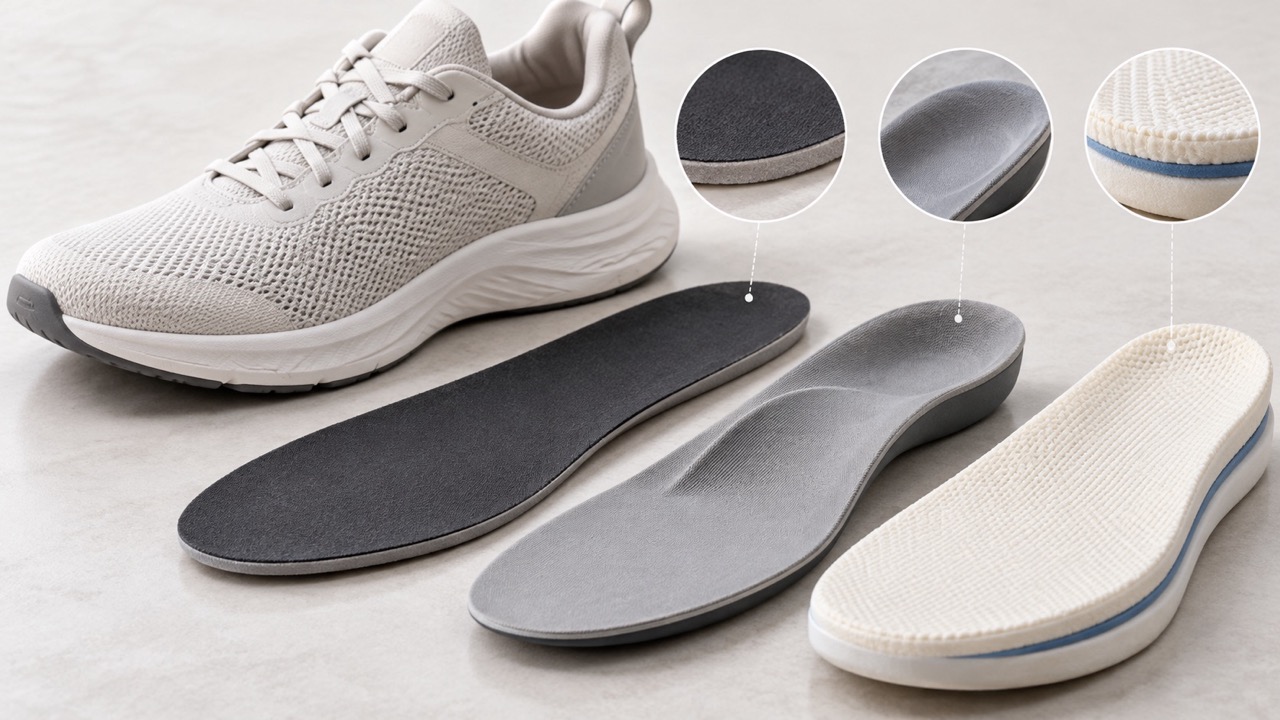
A shoe contains many different components, including upper materials, lining, insoles, outsoles, reinforcements and accessories.
Even when the correct material has been ordered, differences between production batches can affect the result.
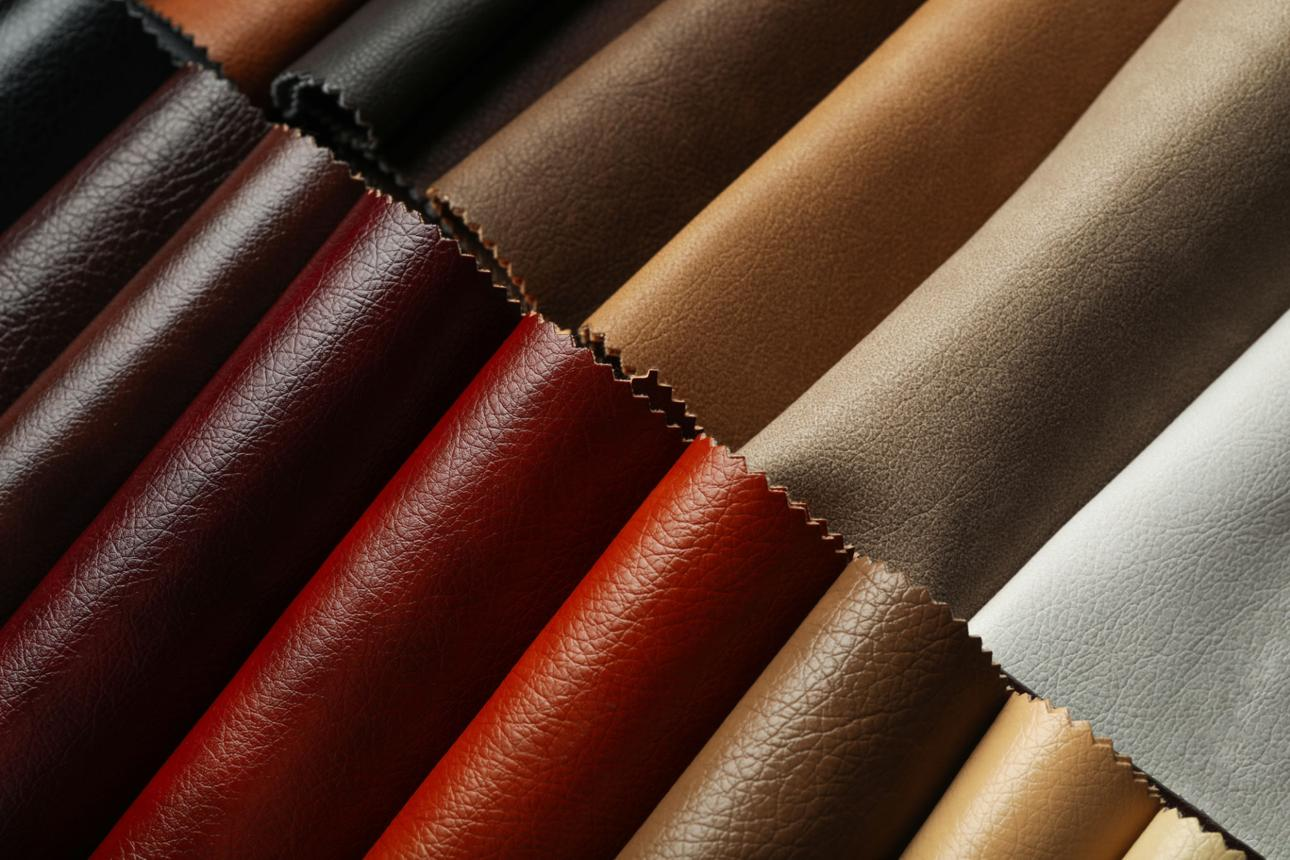
Leather may vary in thickness, grain and color. Synthetic materials may show differences in surface texture or flexibility. Soles and other molded components can also vary in appearance or dimensions.
For this reason, incoming materials should be checked against the approved specifications before they are used.
Color, thickness, visible defects and other relevant properties may need to be reviewed, depending on the material and the product.
This is particularly important when an order includes several colors or when materials are purchased from different suppliers.
Finding a material problem before cutting is usually much easier than correcting it after hundreds of shoes have already been assembled.
3. Quality Checks During Cutting, Stitching and Assembly
Footwear production involves a series of connected operations. A problem introduced during one stage may become difficult to correct later.
During cutting, the factory needs to consider material defects, cutting accuracy and the positioning of components.
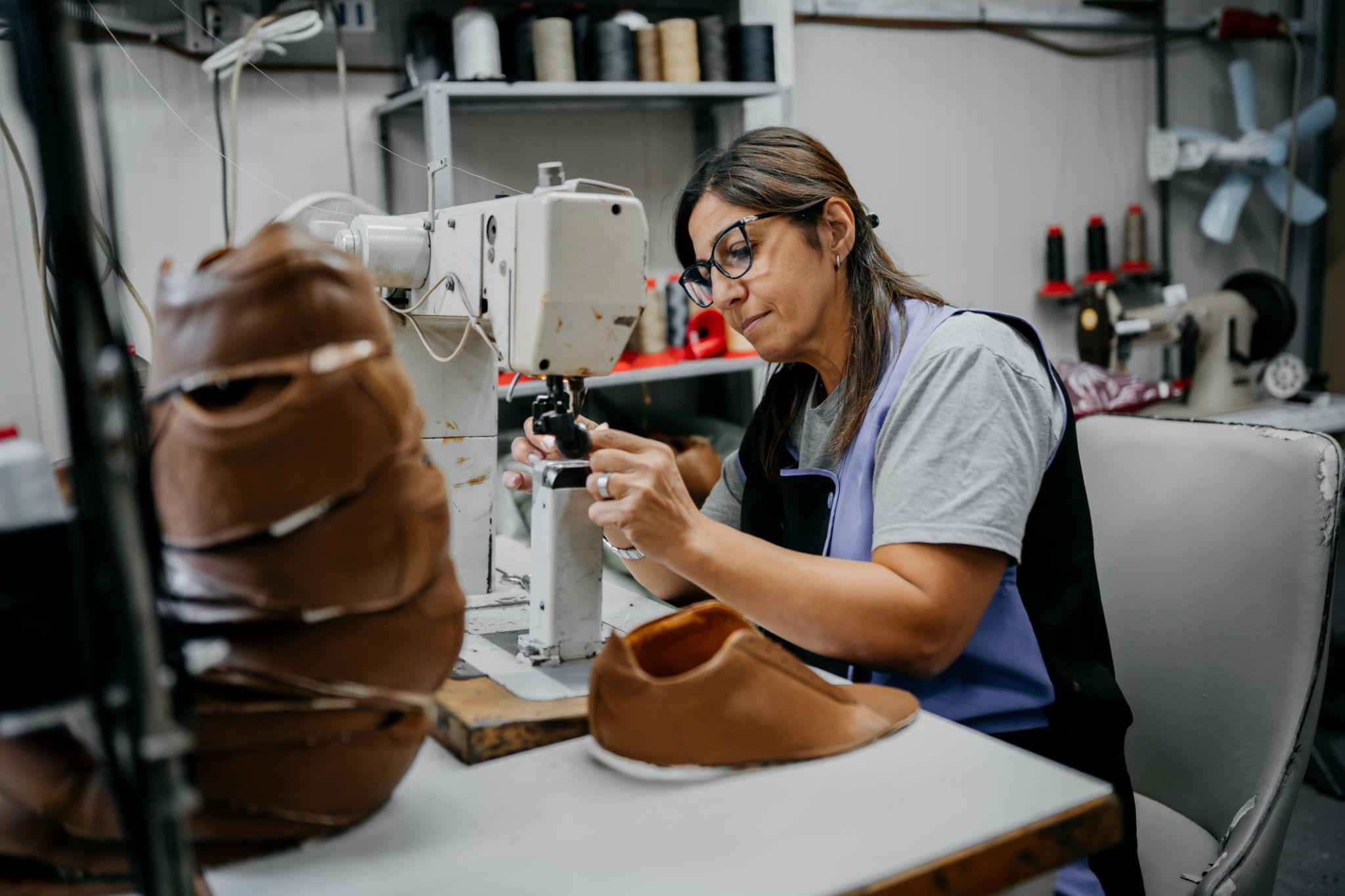
During upper stitching, important details include seam alignment, stitch consistency, component placement and the appearance of the finished upper.
Lasting is another critical stage. The upper must be shaped over the shoe last, and differences in tension or alignment can affect the shoe's silhouette and fit.
For cemented footwear, sole attachment also requires attention. Surface preparation, adhesive compatibility, pressing conditions and curing requirements can influence bonding performance.
These details vary according to the materials and construction method.
Checking work while production is in progress allows problems to be identified and corrected before they spread throughout the order.
Final inspection remains necessary, but it should not be the first time quality is evaluated.
4. Keeping Different Sizes and Colors Consistent
Producing one attractive sample in a single size is not the same as producing a complete commercial size range.
As shoe sizes change, the upper pattern, sole dimensions and other components need to remain properly matched.
A larger shoe should not simply be treated as a visually enlarged version of a smaller one without considering its proportions and construction.
Color consistency also matters. Different material batches or surface finishes can create noticeable differences, even when suppliers use the same color name.
During production, it is useful to compare shoes against approved size and color references, particularly when several sizes and colorways are being manufactured at the same time.
Left and right shoes should also be checked as a pair for shape, color, component placement and overall appearance.
These are simple details, but they have a direct impact on how the product is perceived when it reaches the customer.
5. What Should Be Checked Before Shipment?
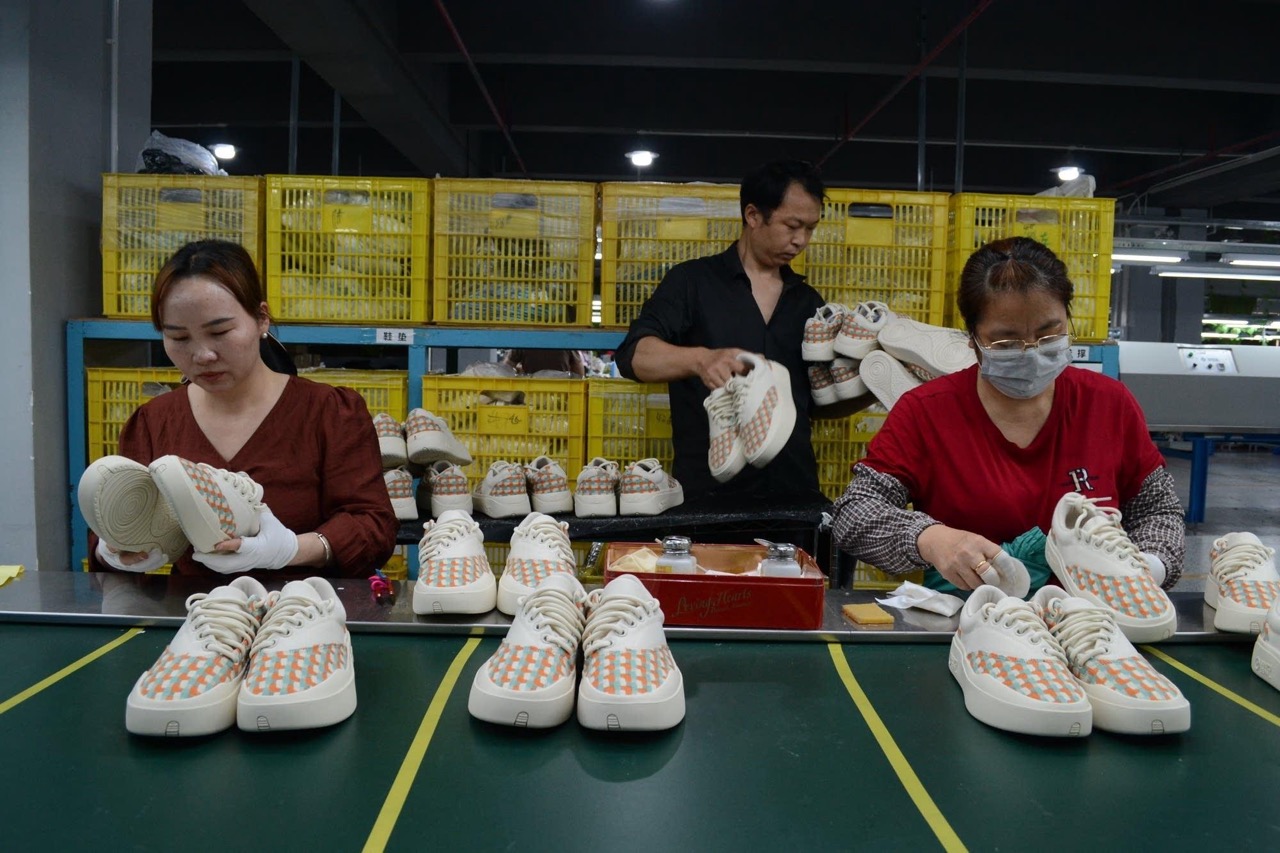
Once production is completed, the finished shoes need to be inspected against the approved sample and agreed specifications.
A final inspection may cover appearance, workmanship, size identification, pair matching, labels, logos, packaging and order quantities.
Depending on the shoe and the buyer's requirements, additional functional checks or laboratory tests may also be needed.
Some orders use a statistical sampling plan, such as an agreed AQL-based inspection. This means a defined number of units is inspected according to specified acceptance rules.
However, a passed sample inspection does not mean that every individual pair has been checked or that defects are impossible.
The inspection scope, defect criteria and acceptance rules should therefore be established before production, rather than decided only when the goods are ready to ship.
If problems are identified, the affected products should be evaluated, and any required sorting, correction or reinspection should be completed before shipment approval.
6. Quality Control Is Also About Communication
A manufacturer may understand how to produce a shoe, while a brand may have particular expectations about its appearance and finish.
If these expectations are not recorded clearly, the two sides may interpret the same detail differently.
For example, one brand may be especially concerned about the symmetry of decorative stitching. Another may prioritize leather surface consistency, outsole appearance or the accuracy of logo placement.
These priorities should be discussed before bulk production, supported by approved samples, specifications and reference photographs.
When a production issue occurs, clear communication is equally important. The relevant details should be recorded, including what happened, which quantities are affected and what action is required.
Quality control is not simply about finding defects. It is also about ensuring that everyone involved is working toward the same standard.
Footwear Production Management at Asahihara Co., Ltd.
At Asahihara Co., Ltd., we work with specialized footwear manufacturing partners to support brands from sample development through bulk production.
Our role includes coordinating product specifications, communicating approved sample details, following up on production requirements and helping brands address issues that arise during the manufacturing process.
Depending on the project, we can also coordinate inspection requirements and discuss additional testing or third-party inspection arrangements.
The aim is to keep the brand's expectations and the manufacturer's execution aligned throughout the project.
We believe that reliable footwear production depends not only on craftsmanship, but also on clear specifications, timely communication and appropriate checks at each stage.
Conclusion
An approved shoe sample is an essential reference, but consistent bulk production requires more than reproducing its appearance.
Material control, documented specifications, in-process checks, size and color consistency, and final inspection all play different roles in managing footwear quality.
No inspection system can eliminate every manufacturing risk. However, identifying differences early and establishing clear acceptance criteria can reduce avoidable problems.
For footwear brands, the most practical approach is to define the product standard before production, monitor the critical processes and confirm the finished goods before shipment.
Brands planning sneaker, leather shoe, boot or other footwear OEM/ODM projects can contact Asahihara Co., Ltd. with their design references, expected quantities and quality requirements.