


Waterproof vs. Water-Repellent Shoes: What Is the Difference?
1. Waterproof and Water-Repellent Are Not the Same
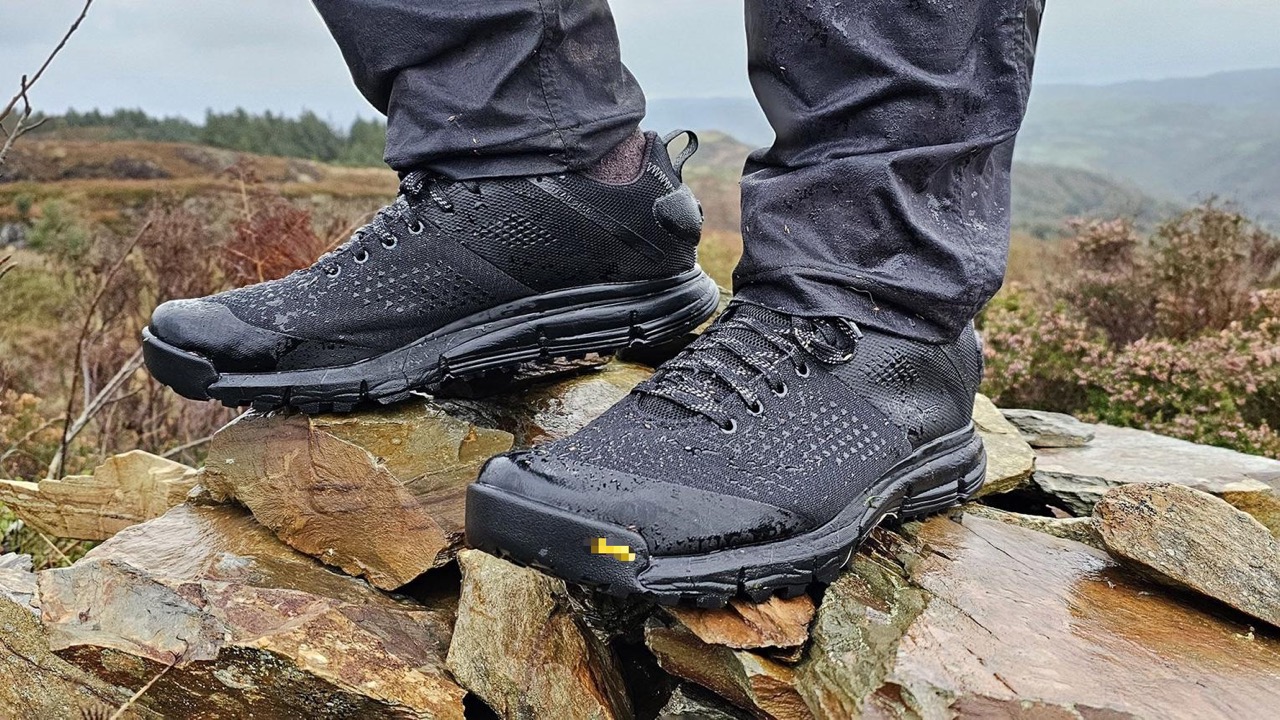
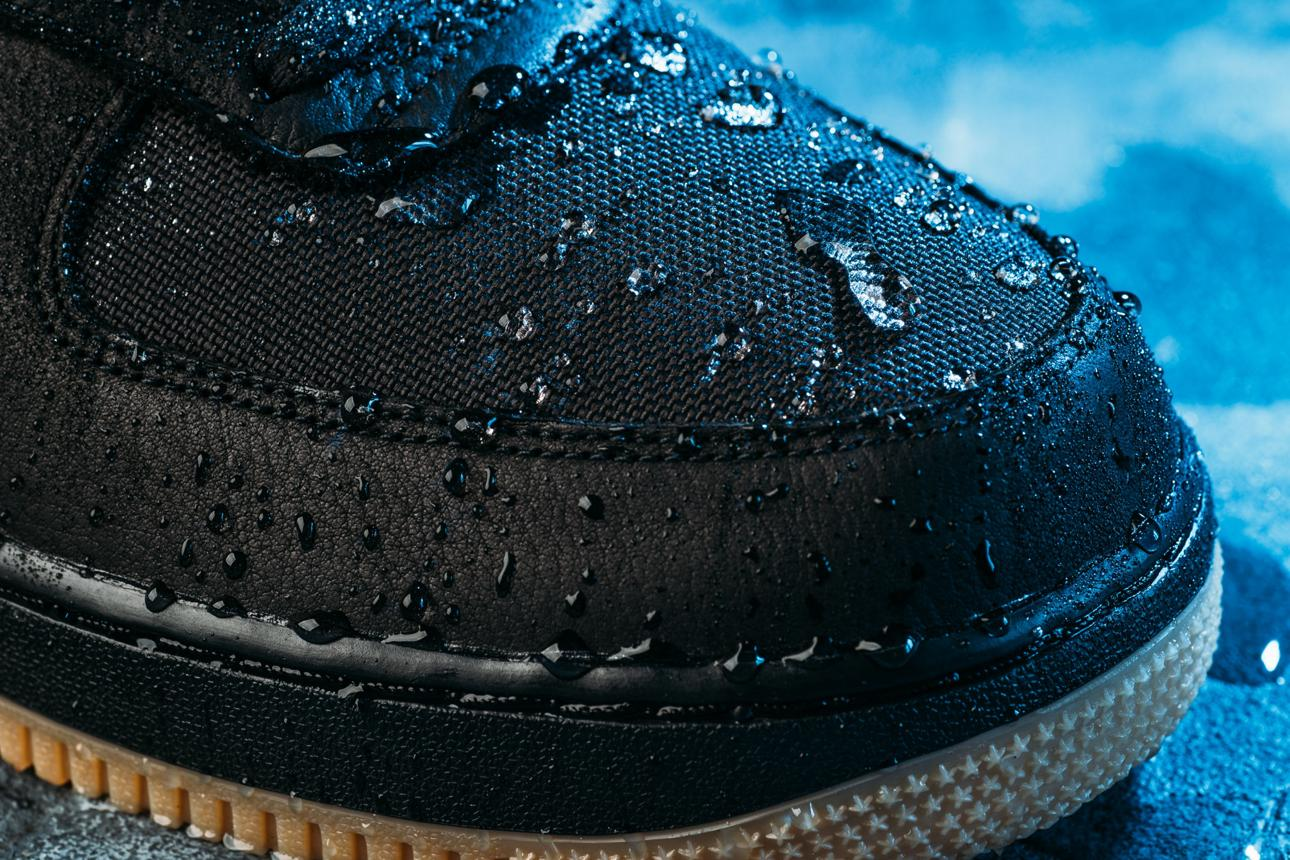
Water-repellent shoes are designed to make water bead up and roll off the surface. This is often achieved through a water-repellent treatment applied to the upper material.
It can be useful for light rain, splashes and everyday wear. However, a water-repellent upper does not necessarily stop moisture from entering through seams, openings or prolonged exposure.
Waterproof shoes are designed to prevent water from entering under specified conditions. They may use a waterproof membrane, sealed construction or materials that form a continuous water barrier.
You may also see the term "water-resistant." This generally suggests some resistance to water, but it does not describe a single, universal performance level.
The simplest difference is that water repellency describes how the surface handles water, while waterproofing concerns whether water can enter the shoe.
2. What Makes a Shoe Waterproof?
Making a waterproof shoe involves more than choosing a waterproof fabric.
In many waterproof sneakers and outdoor shoes, a thin waterproof membrane is incorporated inside the upper. Depending on the design, this may take the form of an internal waterproof bootie that surrounds the foot.
But the membrane alone is not enough. The overall construction also needs attention, including seams, the tongue, the connection between the upper and sole, and areas where different components meet.
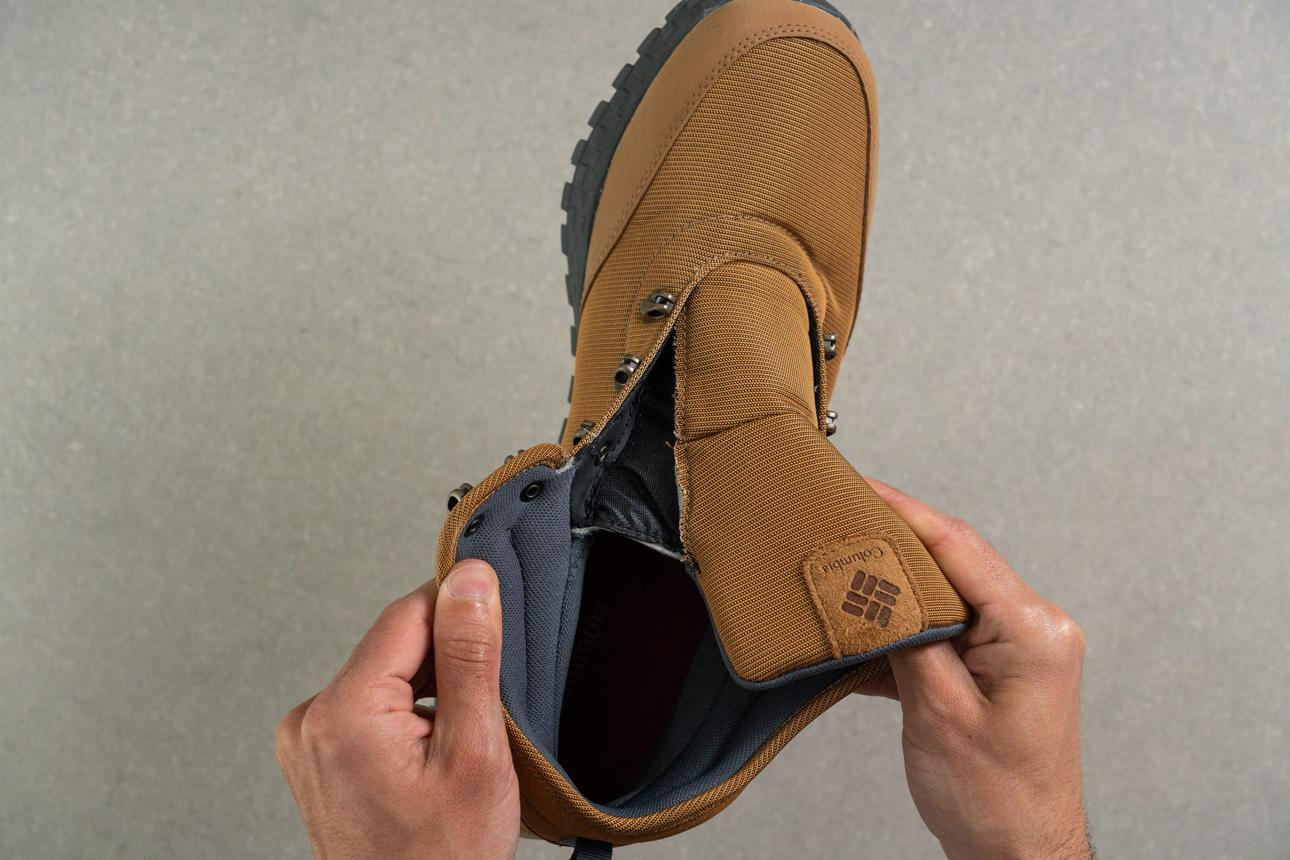
For example, a conventional sneaker tongue often leaves openings along its sides. A waterproof design may use a gusseted tongue, which connects more closely to the upper and helps reduce water entry.
Some footwear, such as molded rain boots, achieves waterproofing through a different approach using continuous waterproof materials rather than an internal membrane.
Even a properly waterproofed shoe has limitations. Water can still enter over the collar if the water level is too high.
3. Can Waterproof Shoes Also Be Breathable?
Yes, although the level of breathability depends on the materials and construction.
Some waterproof membranes are designed to block liquid water while allowing water vapor from perspiration to escape. This is why waterproof-breathable materials are commonly used in outdoor footwear.
However, waterproof does not mean that feet will never feel warm or sweaty.
A shoe with thick lining, heavy padding or limited ventilation may still feel humid inside, even when no external water has entered.
Water-repellent finishes also have a different role from waterproof membranes. They help water roll off the outer surface, while the internal waterproof structure provides the main barrier against water entry.
For footwear development, waterproof performance and comfort should be considered together.
4. How Much Waterproofing Does a Shoe Need?
Not every shoe needs the same level of protection.
For a casual sneaker intended mainly for dry weather and occasional light rain, water-repellent treatment may be sufficient. It can provide some protection without introducing the additional structure required for fully waterproof footwear.
A commuting shoe designed for regular rainy conditions may require a waterproof membrane and a more carefully designed upper.
Outdoor footwear may need more extensive waterproof construction, especially when the shoe will be exposed to wet grass, muddy trails and repeated flexing.
Rain boots require another approach, often focusing on a continuous waterproof structure and protection against standing water.
The right specification depends on where the shoe will be worn, how long it may be exposed to water and what level of protection the brand expects.
Choosing a waterproof construction without first defining these conditions can add cost and complexity without necessarily improving the product for its intended use.
5. How Is Waterproof Performance Tested?
A simple spray of water onto the upper may show whether the surface repels water, but it cannot confirm that the complete shoe is waterproof.
Depending on the intended performance, footwear can be evaluated through water-penetration tests under controlled conditions.
Some tests check whether water enters a stationary shoe. Others evaluate the shoe while it flexes repeatedly in contact with water, simulating movement during wear.
These tests examine different aspects of waterproof performance, so the results should not be treated as interchangeable.
During development, brands should confirm the required test method, water depth, test duration, movement conditions and acceptance criteria before making performance claims.
A waterproof material test is not the same as a waterproof test of the finished shoe.
This distinction matters because the upper material, seams, sole attachment and overall structure must work together.
6. Developing Waterproof Footwear with Asahihara Co., Ltd.
At Asahihara Co., Ltd., waterproof footwear development begins by defining the product's intended use and required performance.
A daily sneaker, a functional leather shoe and an outdoor boot may need very different materials and constructions, even if the brand uses the same word—"waterproof"—to describe the project.
Depending on the requirements, we can coordinate water-repellent upper materials, waterproof components, construction details and sample development. Where specific waterproof performance is required, suitable testing arrangements can also be discussed.
The key is to establish realistic performance requirements before finalizing the materials and structure, rather than relying on a general waterproof claim.
Conclusion
Water-repellent and waterproof shoes are designed for different levels of exposure to water.
Water-repellent treatment helps water roll off the surface. Waterproof construction aims to prevent water from entering the shoe under defined conditions.
Neither approach is automatically the best choice for every product.
What matters is how well the materials, structure, comfort and expected performance match the shoe's intended use.
For brands developing new footwear, defining the actual waterproof requirement at the beginning can make material selection, sample development, testing and production planning much more straightforward.
Brands planning waterproof sneakers, functional shoes or outdoor footwear can contact Asahihara Co., Ltd. with reference images, expected quantity, target price and performance requirements.