


Shoe Insole Materials Explained: EVA, PU, Memory Foam and OrthoLite
1. What Does an Insole Actually Do?
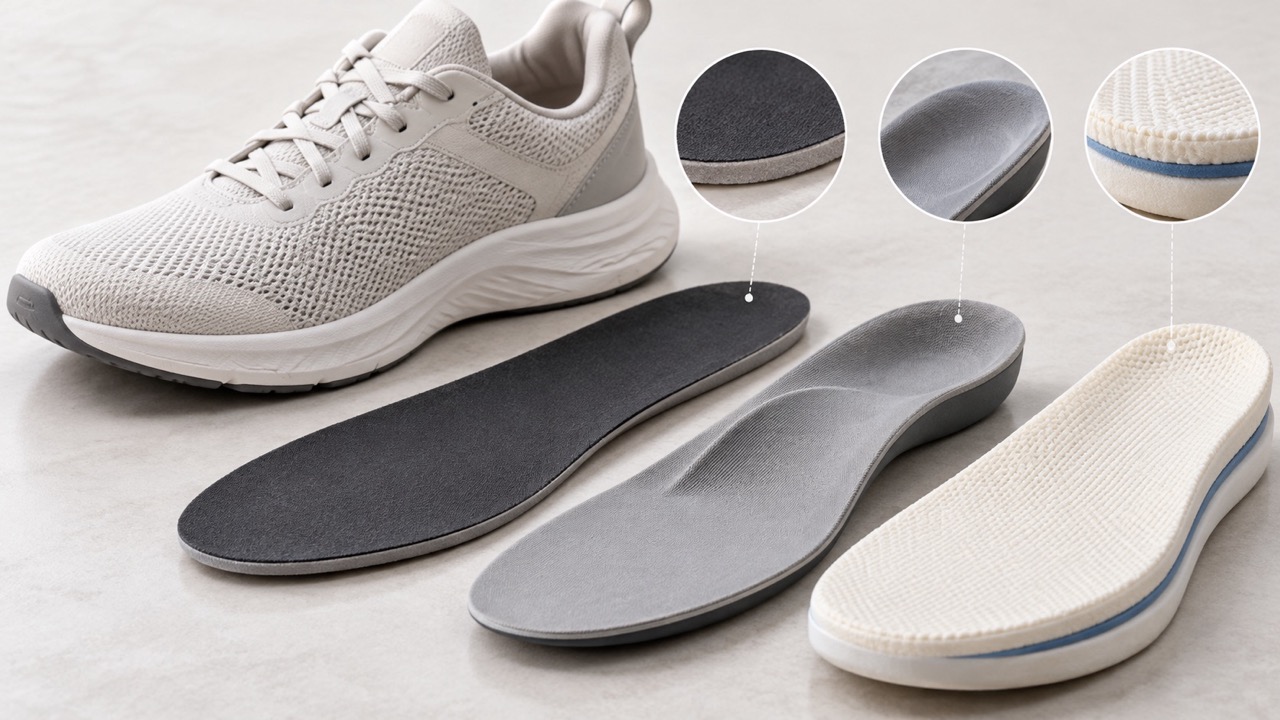
The insole is the layer directly beneath your foot inside the shoe. In many sneakers, it is removable and can be replaced.
Its main job is to improve the feeling underfoot. Depending on its material and design, it can provide cushioning, distribute pressure, help manage moisture and improve the way the shoe fits.
An insole is not the same as the midsole. The midsole sits within the sole structure and often provides much of the shoe's main cushioning. The insole works together with the midsole rather than replacing it.
This is why adding a very thick or soft insole does not automatically make every shoe more comfortable.
2. EVA: Lightweight and Simple
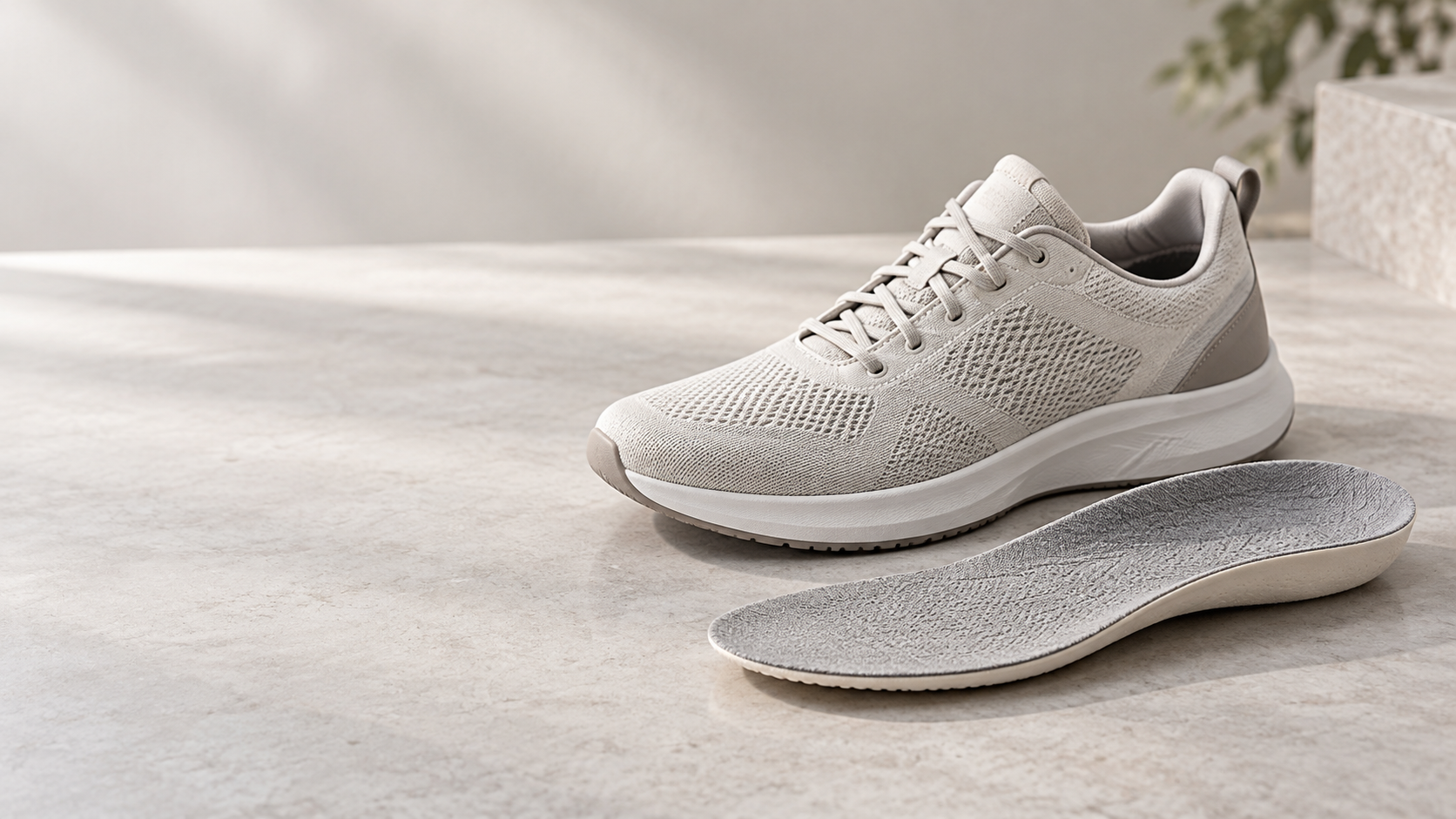
EVA is widely used in footwear because it is lightweight and easy to shape. It can be made soft or firm, making it suitable for many everyday sneakers and casual shoes.
A common advantage of EVA insoles is that they can provide cushioning without adding much weight. They are also relatively straightforward to manufacture, which makes them useful for products where comfort, cost and production efficiency all matter.
However, EVA does not always maintain the same feel after prolonged use. Depending on its density and formulation, repeated pressure may gradually flatten the foam.
For a lightweight casual sneaker, EVA can be a practical choice. For footwear requiring more specific cushioning or long-term performance, the exact foam specification needs closer attention.
3. PU: Comfort That Can Be Adjusted
PU stands for polyurethane. In footwear, PU foam is used in many types of insoles and cushioning components.
Compared with a typical lightweight EVA foam, some PU formulations offer a denser feel and better resistance to permanent compression. They can be useful when a brand wants cushioning that remains relatively consistent during repeated wear.
However, PU is not one fixed material. Its softness, weight, breathability and durability depend on how the foam is made.
A very soft PU insole and a firmer molded PU insole can feel completely different.
The material itself does not determine arch support. Support depends largely on the shape, firmness and overall design of the insole and shoe.
4. Memory Foam and OrthoLite: Are They the Same?
Memory foam is designed to respond to pressure more slowly than conventional foam. When pressed, it compresses and gradually returns to its original shape.
This can create a soft, cushioned feeling when first putting on a shoe. However, memory foam is not automatically suitable for every product. Too much softness or thickness may reduce the space available inside the shoe or make the fit feel less stable.
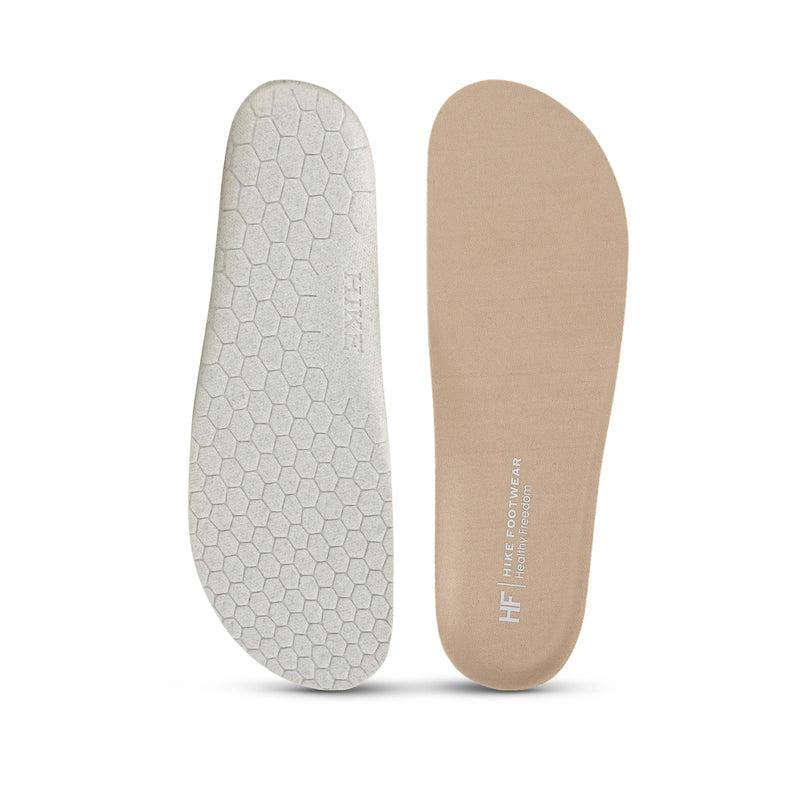
OrthoLite is different. OrthoLite is a footwear insole technology brand, not a general name for a single material. Its product range includes several open-cell PU foam formulations designed for different cushioning, breathability and performance requirements.
Brands should therefore avoid treating EVA, PU, memory foam and OrthoLite as four completely separate material categories. Memory foam describes a type of foam behavior, while OrthoLite refers to a specific branded product range.
5. Why Insole Shape Matters as Much as Material
Two insoles made from the same foam can feel different because of their shape and thickness.
A flat insole may suit a simple casual shoe, while a molded insole can follow the contours of the heel and arch more closely. Some designs use firmer areas for stability and softer areas for cushioning.
But more cushioning is not always better. A thick insole can make the shoe feel tight, raise the heel inside the shoe or change the intended fit.
This is particularly important in footwear development. The insole should be evaluated together with the last, lining, upper structure and midsole—not as an isolated component.
6. Choosing Insoles During Footwear Development
For footwear brands, the right insole depends on the product.
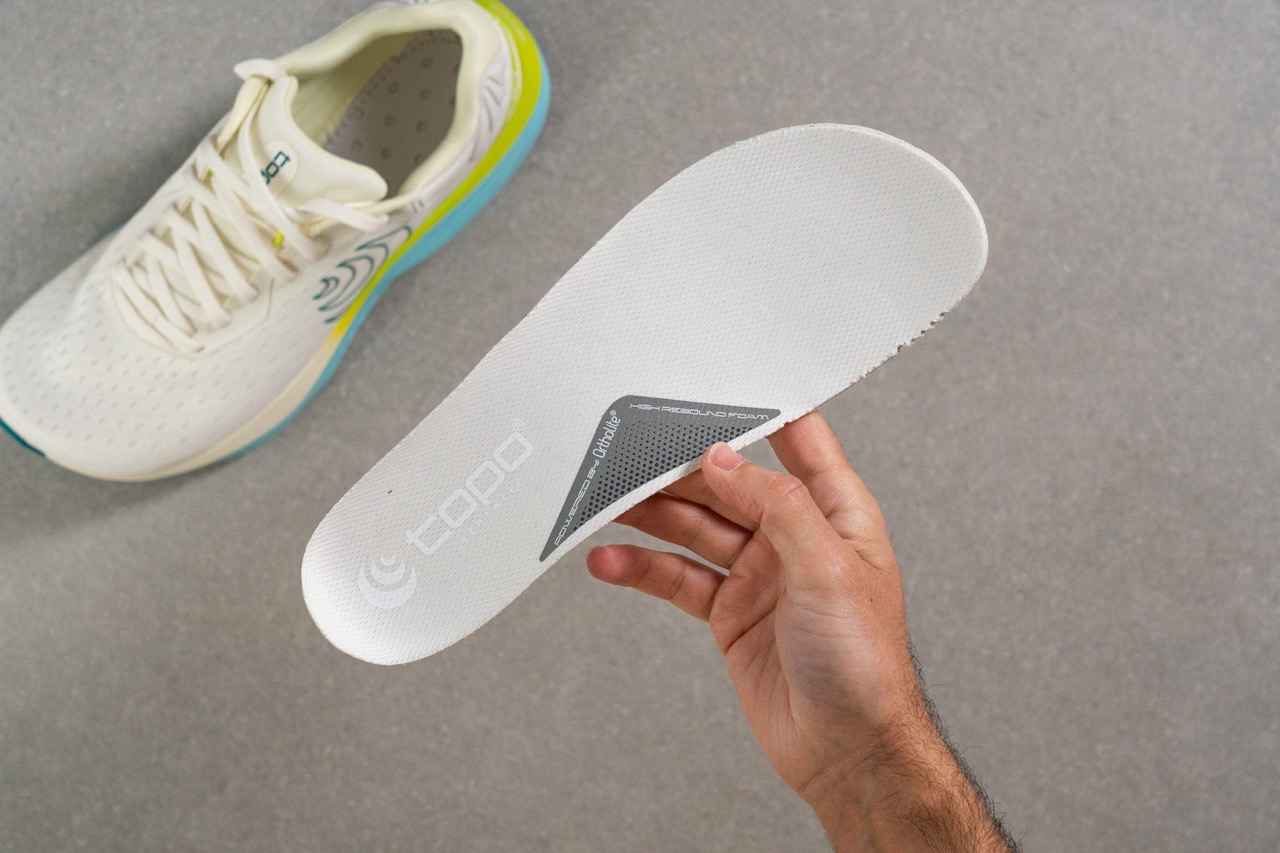
A lightweight fashion sneaker may benefit from a simple EVA insole. A walking shoe may require more attention to cushioning and pressure distribution. A leather shoe may prioritize a thinner structure, interior space and a refined surface finish.
During sample development, it is useful to check a few practical details:
- Does the insole fit correctly inside the shoe?
- Is the cushioning suitable for the intended use?
- Does its thickness affect fit or heel stability?
- Does the material maintain its shape after repeated wear?
- Does it match the target cost and production requirements?
These questions are often more useful than simply asking which foam is the most expensive.
Footwear Development at Asahihara Co., Ltd.
At Asahihara Co., Ltd., insole selection is considered as part of the complete footwear design.
Depending on the project, we can coordinate different insole materials, cushioning specifications, thicknesses and shapes during sample development. These choices are reviewed alongside the last, outsole, upper construction, expected quantity and target price.
The objective is not simply to make the insole softer. It is to find a suitable balance between comfort, fit, material performance and production requirements.
Conclusion
EVA, PU, memory foam and OrthoLite each offer different options for footwear development, but they should not be compared by name alone.
EVA is often chosen for lightweight cushioning. PU offers a wide range of foam properties. Memory foam provides a slower, pressure-responsive feel, while OrthoLite offers branded insole technologies based on specific formulations.
Ultimately, a comfortable insole depends on more than the material. Its shape, thickness, firmness and relationship with the rest of the shoe are just as important.
For brands developing new footwear, selecting the insole together with the shoe's overall structure is often the best starting point.