


How Are Lightweight Sneakers Made? Materials and Design That Affect Shoe Weight
1. Upper Materials: Where Weight Reduction Begins
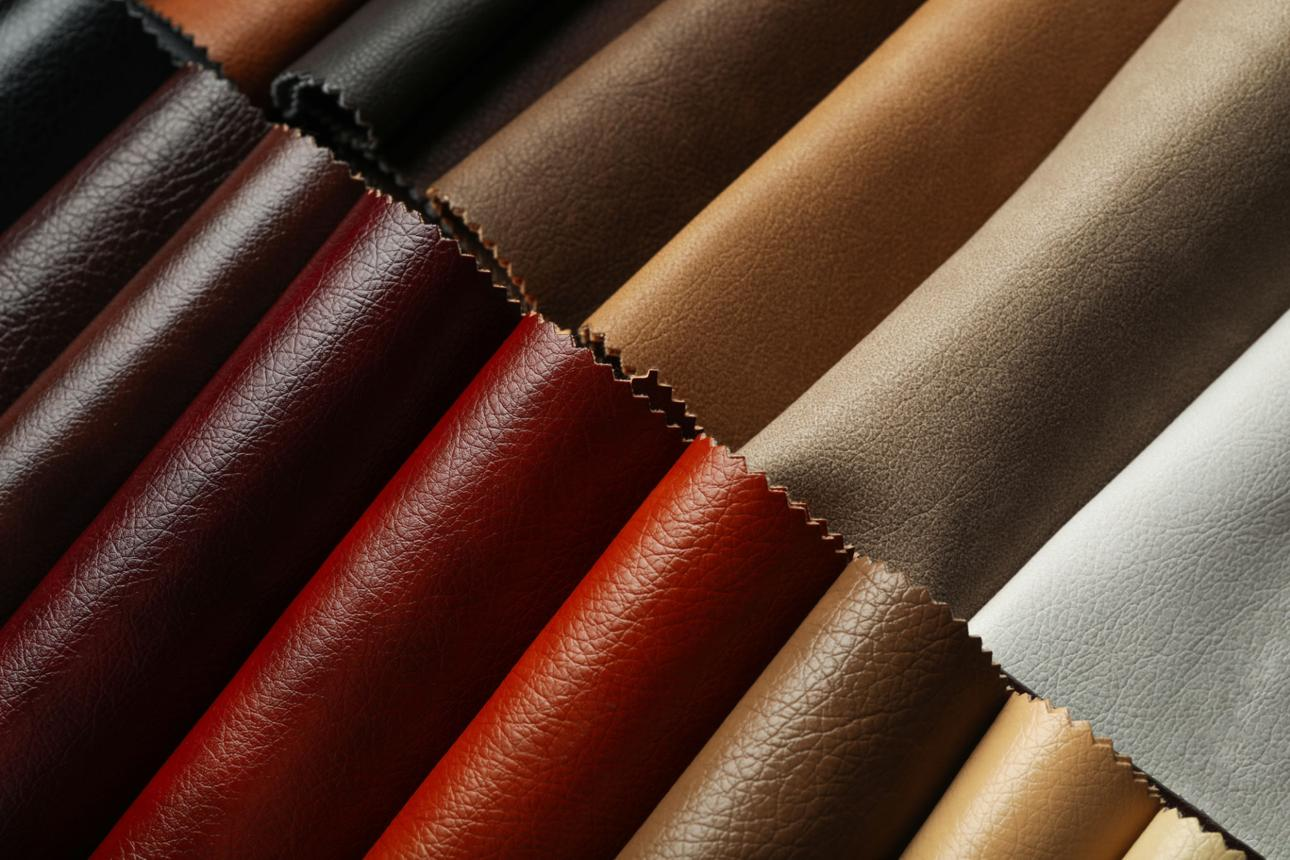
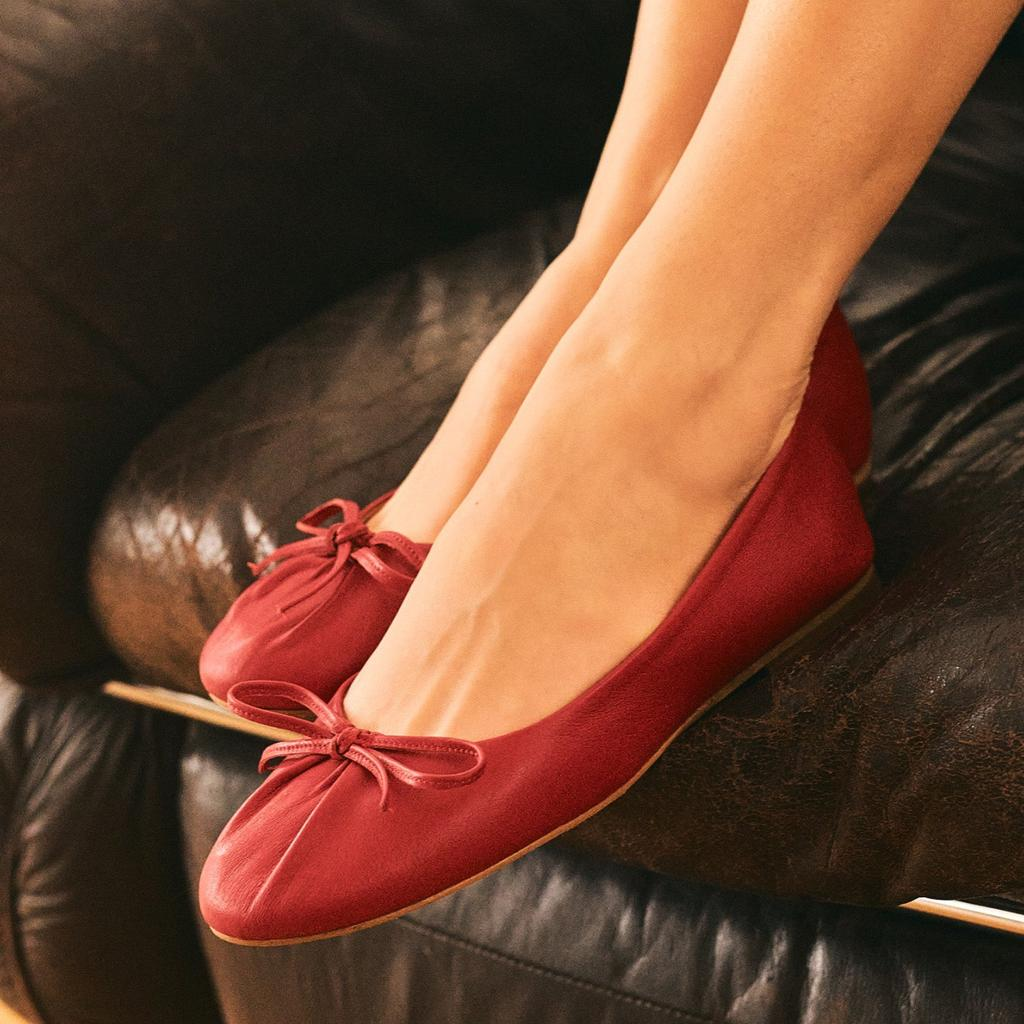
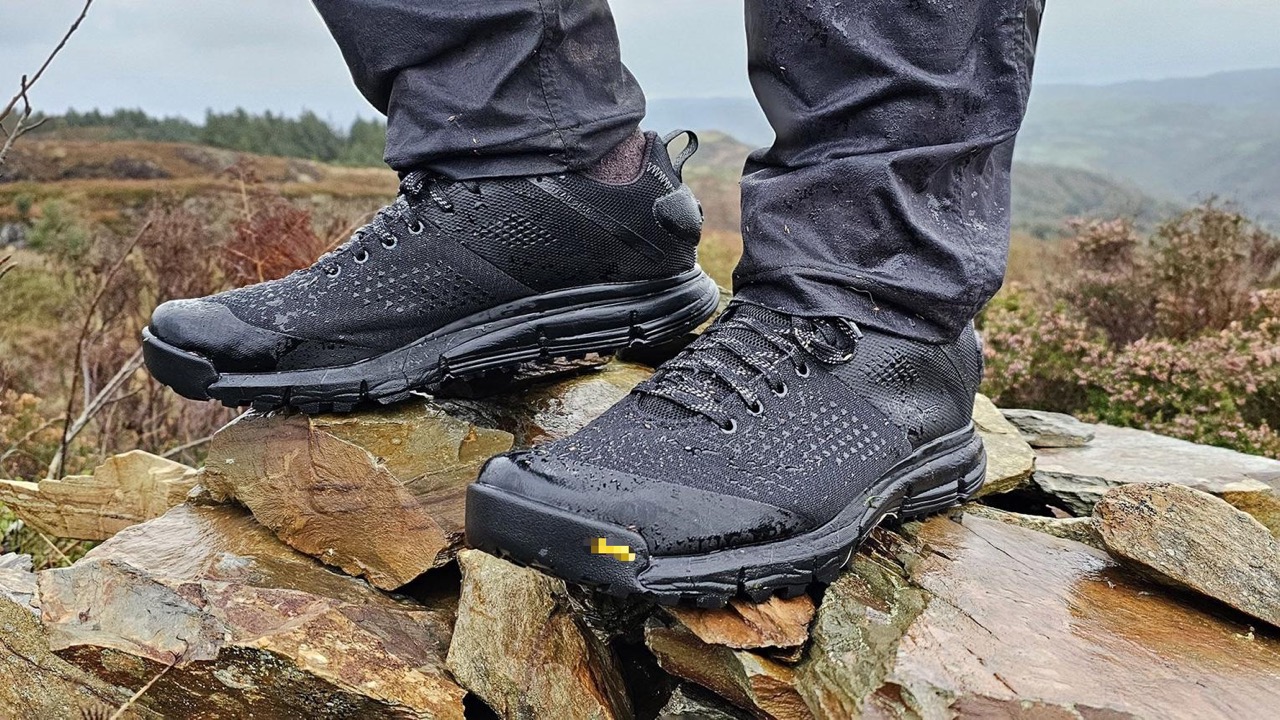
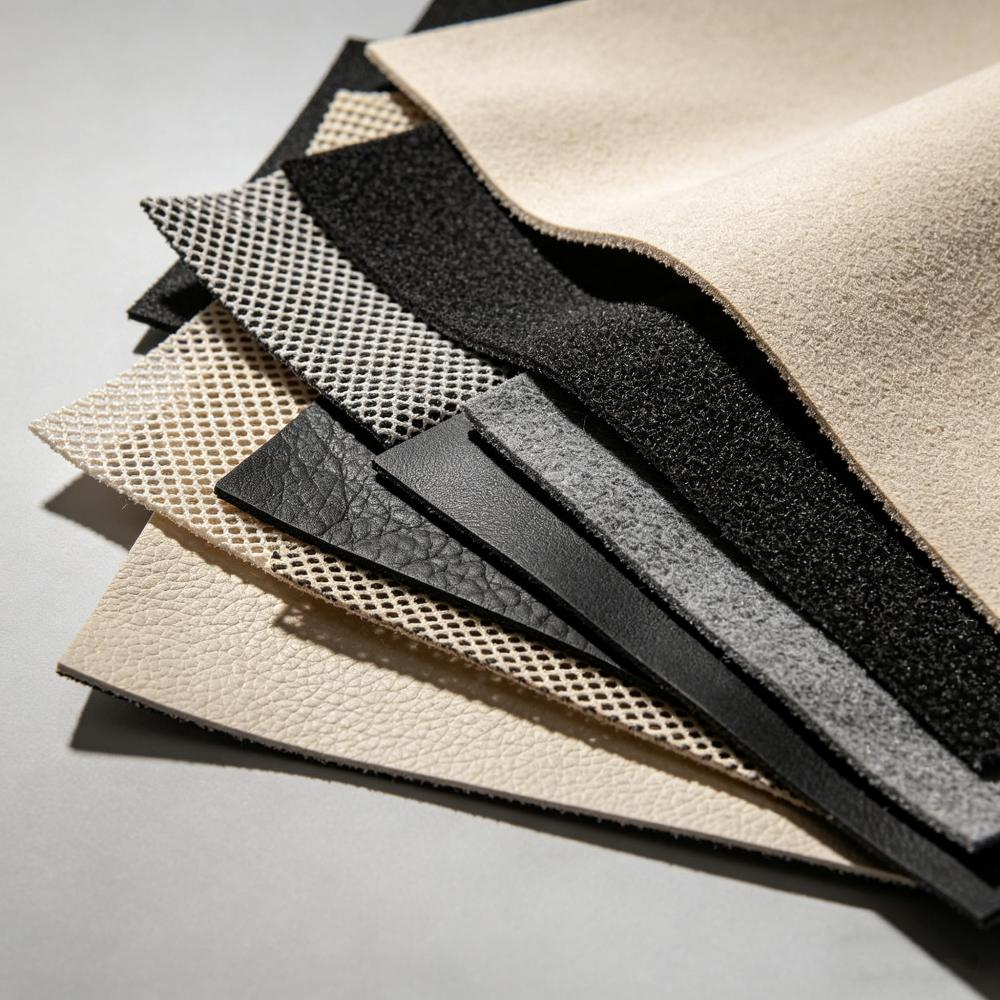
The upper is everything above the sole. Depending on the design, it may be made from leather, synthetic leather, mesh, knitted fabric, canvas, or a combination of materials.
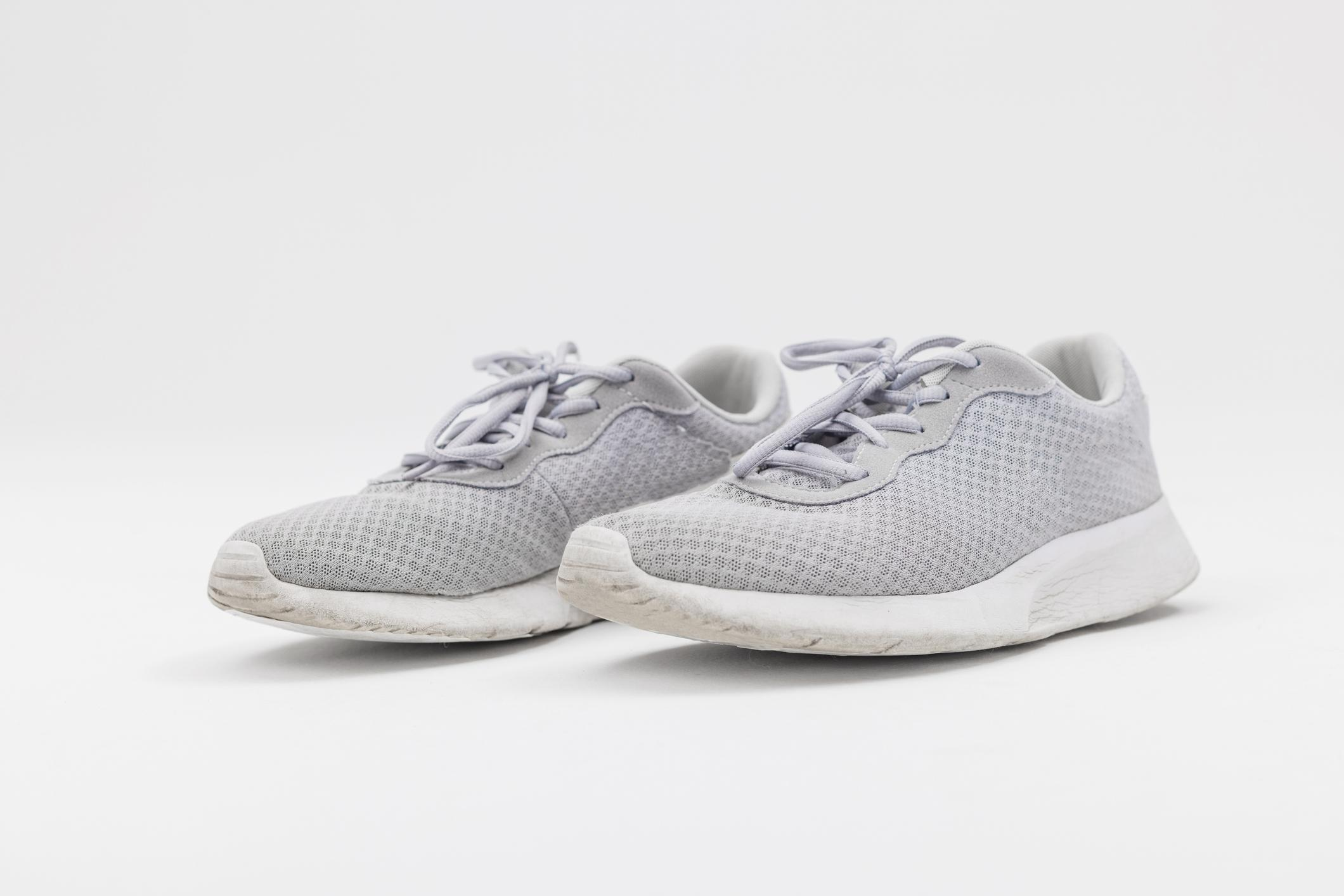
Lightweight sneakers often use mesh or knitted fabrics because these materials can reduce weight while allowing the shoe to remain flexible and breathable. Leather and thicker synthetic materials generally add more weight, although they may provide different structural and visual advantages.
However, material choice is only part of the story. A shoe with several overlapping panels, thick padding, heavy reinforcements, and decorative pieces can become surprisingly heavy, even when the main upper material is lightweight.
A good lightweight design starts by removing unnecessary weight, not by removing every supportive component.
2. Midsoles and Outsoles: Often the Biggest Difference
The sole structure can have a major influence on the weight of a sneaker.
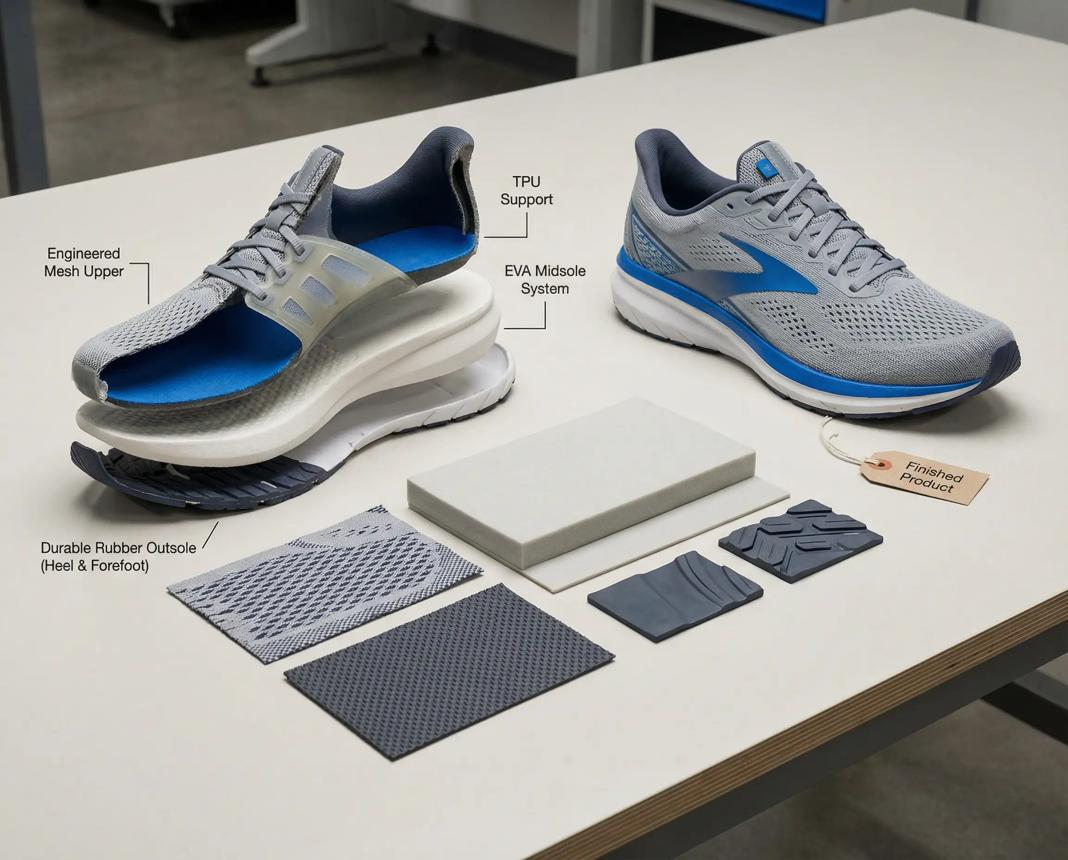
EVA foam is commonly used in midsoles because it offers cushioning with relatively low weight. Rubber is often used on the bottom of the shoe because it provides grip and abrasion resistance, but it is generally heavier than EVA foam.
This is why many lightweight sneakers combine the two: an EVA midsole for cushioning and weight reduction, with rubber added to areas that need more grip and durability.
The shape of the sole matters as well. Thickness, width, internal structure, rubber coverage, and material density all affect its final weight.
A thick-looking sole does not necessarily mean a heavy shoe. With the right foam and construction, a large sole can still be relatively lightweight.
However, making the outsole lighter by removing too much rubber or reducing the structure excessively may affect durability, grip, or stability.
3. Small Components Also Add Weight
When developing a lightweight sneaker, it is easy to focus only on the upper and outsole. But the smaller components also contribute to the final weight.
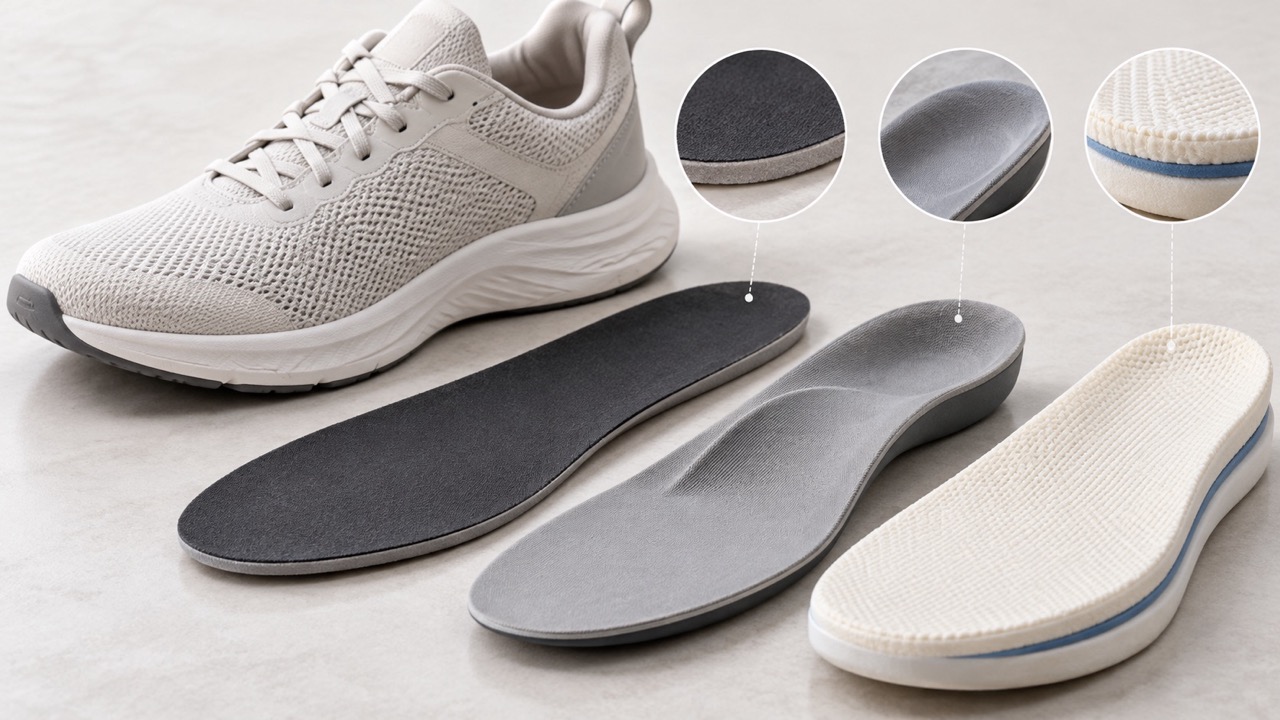
The insole, lining, tongue padding, heel reinforcement, laces, decorative parts, and other internal materials all add up.
For example, a thick foam insole may feel comfortable but add unnecessary weight if the midsole already provides sufficient cushioning. Similarly, excessive padding around the tongue or collar can increase weight without always improving the fit.
The goal is not to make every component as thin as possible. It is to decide which parts genuinely need cushioning, reinforcement, or support, and which can be simplified.
4. Does Lighter Always Mean Better?
Not necessarily.
A very lightweight shoe may feel comfortable when first tried on, but the actual performance depends on how it will be used.
Running shoes, casual sneakers, walking shoes, and outdoor footwear have different requirements. A shoe designed for daily city use does not need exactly the same durability or support structure as one intended for intensive sports activity.
Reducing outsole rubber may save weight but can affect wear resistance. Reducing upper reinforcement may improve flexibility but can also change how securely the shoe holds the foot.
The best lightweight sneaker is not automatically the one with the lowest number on the scale. It is the one that offers the right balance between weight, comfort, stability, and durability for its intended use.
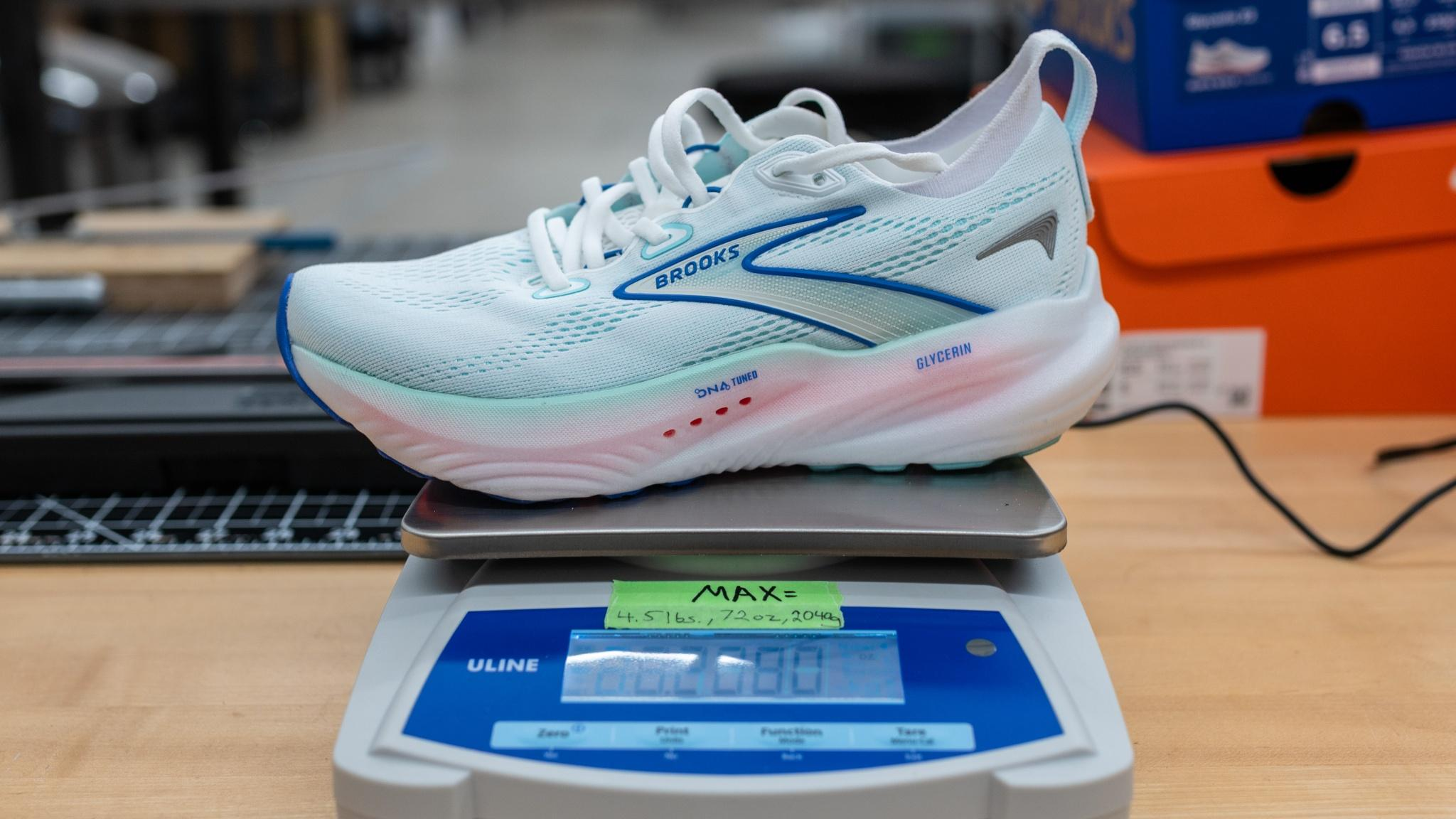
5. How Is Shoe Weight Checked During Development?
For brands developing lightweight footwear, the target weight should be discussed before sampling begins.
One important detail is the shoe size. A size EU 40 sneaker will normally weigh less than the same design in EU 44. Therefore, weight comparisons should always use the same reference size.
The complete sample should also be weighed with its actual insole, laces, and other intended components, rather than measuring only the upper or sole.
During sample development, the brand and manufacturer can review where the weight comes from and consider adjustments to the upper, foam, outsole, padding, or internal components.
But weight is only one part of the evaluation. Fit, flexibility, cushioning, grip, and durability should also be checked before the design is finalized.
6. Developing Lightweight Sneakers with Asahihara Co., Ltd.
At Asahihara Co., Ltd., lightweight footwear development begins with the actual requirements of the project.
We consider the intended use, design, target weight, size range, materials, outsole construction, production quantity, and target price. Depending on the design, an existing lightweight outsole may be suitable, while other projects may require a custom sole structure.
During sampling, we can review material choices and structural details to identify practical ways to reduce unnecessary weight while maintaining the required function and appearance.
The objective is not simply to make a sneaker lighter. It is to develop a shoe that meets the brand's design, comfort, production, and commercial requirements.
Conclusion
A lightweight sneaker is the result of several decisions working together. Upper materials, foam density, outsole design, padding, reinforcement, and even smaller components all influence the final weight.
Using lighter materials helps, but the real difference comes from how those materials are combined.
For brands, it is more useful to define the intended use, target weight, reference size, and required performance before development than to focus only on finding the lightest possible material.
A well-designed lightweight sneaker should feel light for the right reasons, without losing the qualities that make it comfortable and reliable to wear.
Brands planning a lightweight sneaker project can contact Asahihara Co., Ltd. with reference images, target weight, expected quantity, and development requirements.