



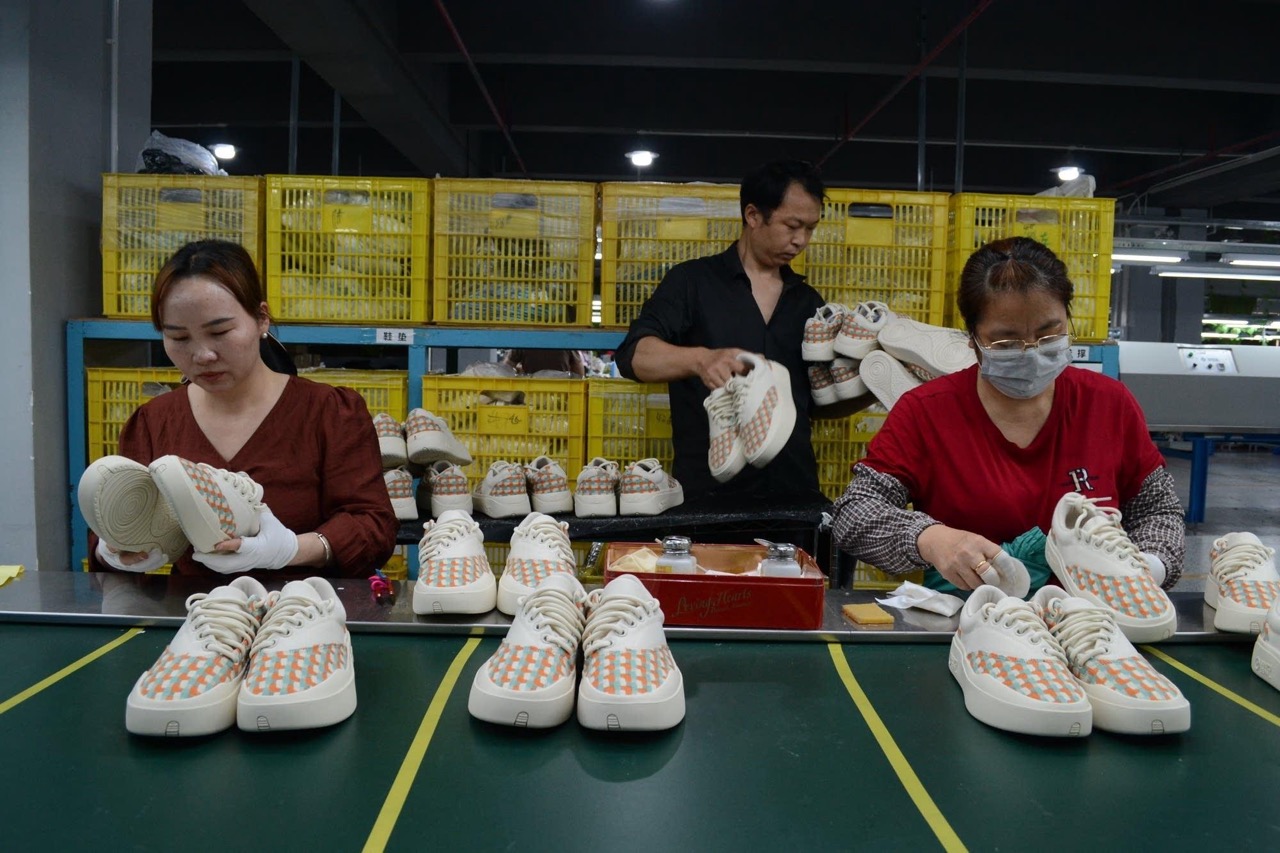
From Approved Sample to Bulk Production: How Footwear Quality Is Controlled
Developing a good shoe sample is an important step, but it is not the end of the process. A sample may have the right shape, materials and finish, yet producing hundreds or thousands of pairs consistently is a different challenge. During bulk production, many people, materials and manufacturing processes are involved. Even small differences in stitching, lasting or sole attachment can affect the final product. This is why footwear quality control should begin before production starts, not only when the finished shoes are ready for shipment.
READ MORE...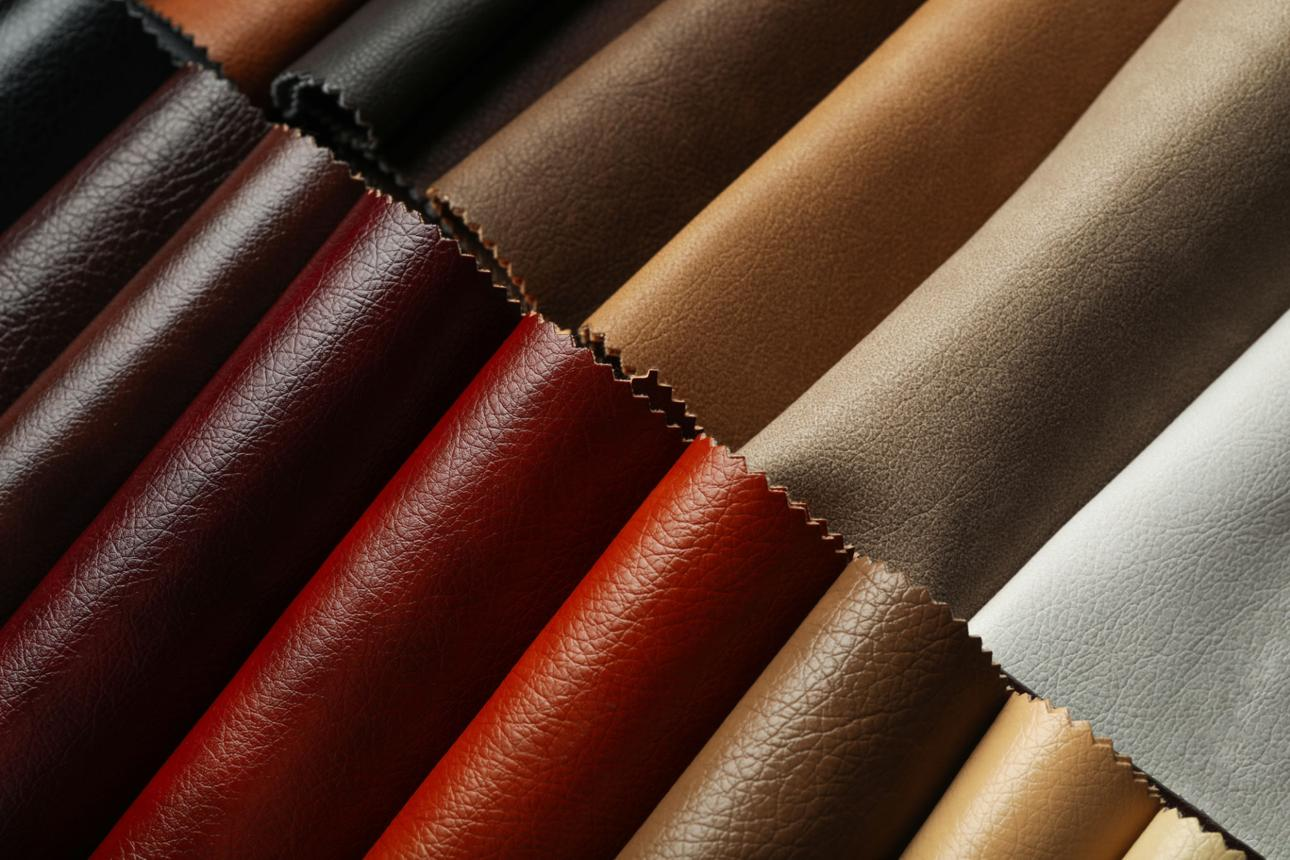
Microfiber Leather vs. Genuine Leather and Synthetic Leather: What's the Difference?
When choosing materials for a new pair of shoes, brands often come across terms such as genuine leather, PU leather, synthetic leather and microfiber leather. The names can be confusing, especially when two materials look almost identical. Microfiber has become a popular option for sneakers, sports shoes and other footwear because it can offer a leather-like appearance with consistent thickness and a wide range of finishes. But is microfiber actually leather, and is it better than genuine leather? The answer depends on what the shoe is designed for.
READ MORE...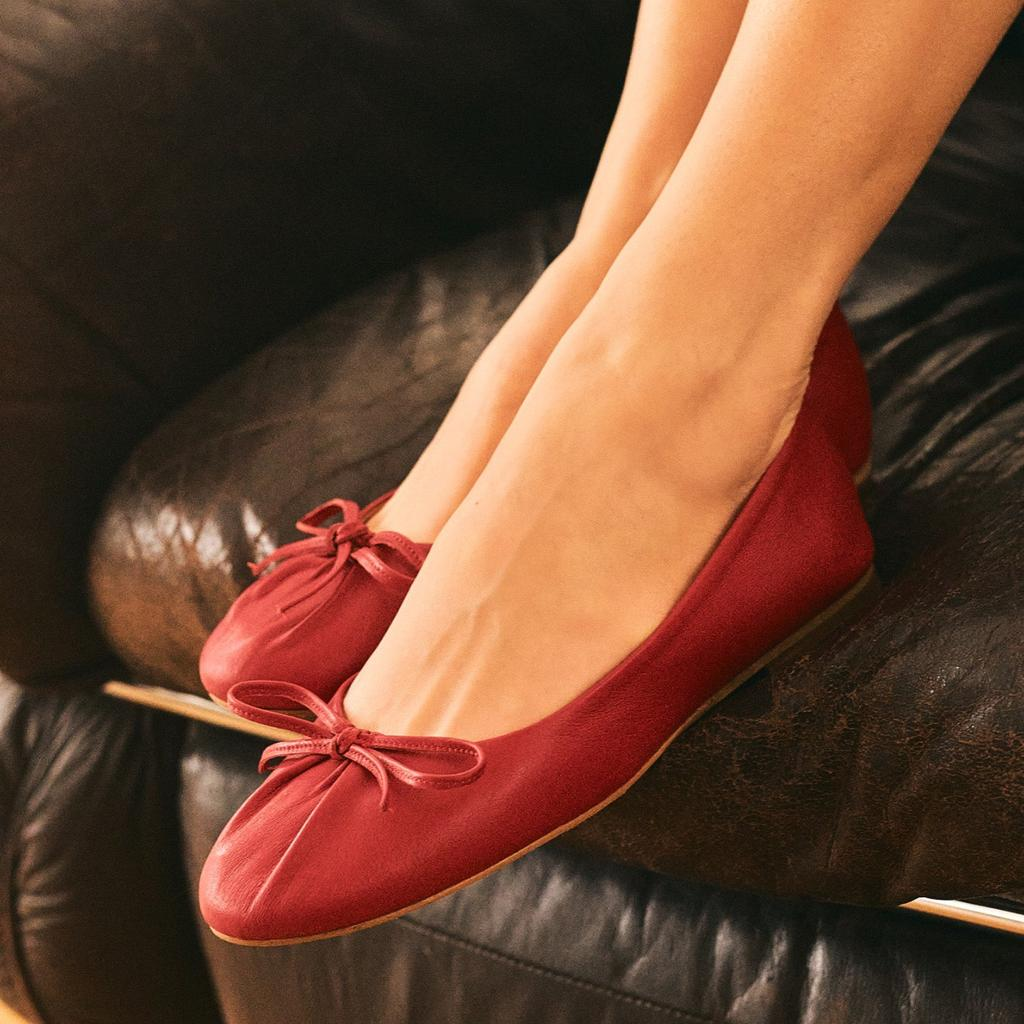
What Makes Ballet Flats Comfortable? Fit, Materials and Sole Design
Ballet flats look simple. They have a low profile, a relatively thin sole and usually no laces or buckles. But creating a pair that looks elegant and feels comfortable when walking requires more attention than the design might suggest. Two pairs of ballet flats can look almost identical and still fit very differently. The difference often comes from details that are easy to overlook: the shoe last, the shape of the opening, the heel fit and the sole structure.
READ MORE...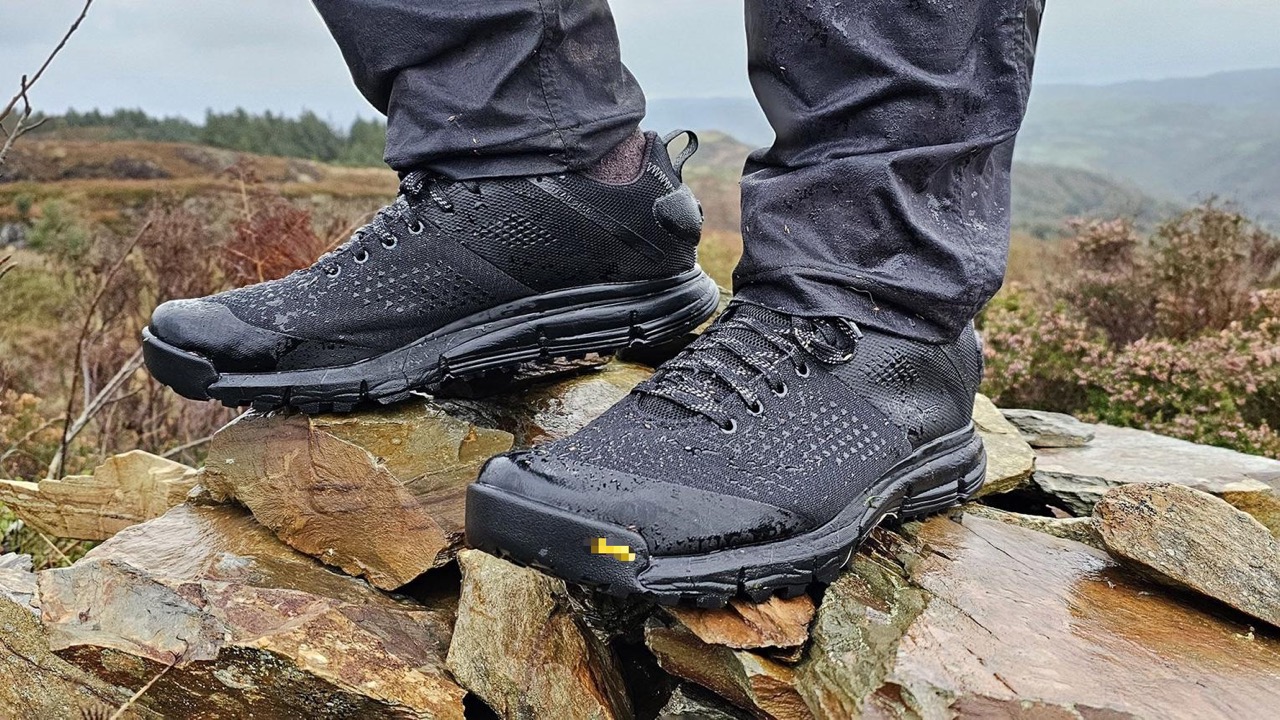
Waterproof vs. Water-Repellent Shoes: What Is the Difference?
Two pairs of sneakers may look almost identical, yet perform very differently in the rain. One may keep your feet dry during a short walk, while the other is designed for extended exposure to wet conditions. The difference is not always visible from the outside. It often comes down to the materials used and, more importantly, how the entire shoe is constructed.
READ MORE...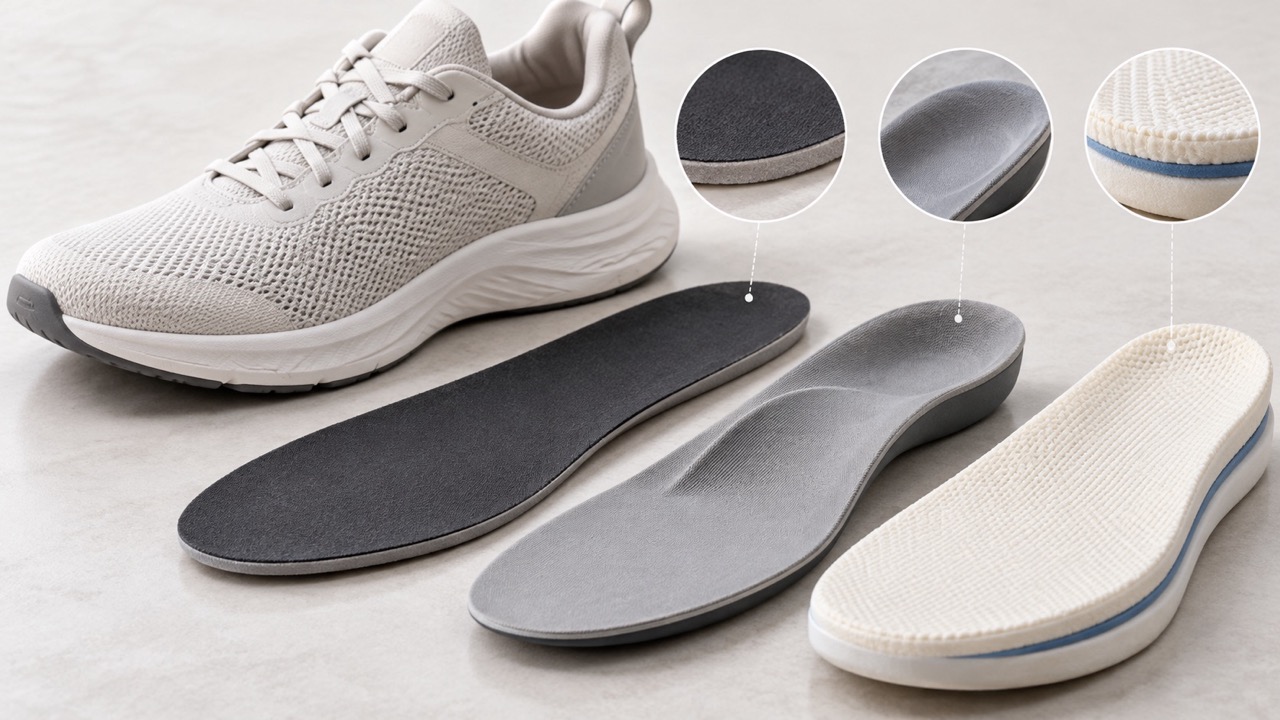
Shoe Insole Materials Explained: EVA, PU, Memory Foam and OrthoLite
When trying on a new pair of shoes, the first thing people notice is often how the shoe feels under their feet. A soft, comfortable insole can make a good first impression, but softness alone does not determine whether a shoe will remain comfortable after hours of walking. The material, thickness and shape of the insole all matter. Two shoes with similar designs can feel quite different simply because their insoles are made differently.
READ MORE...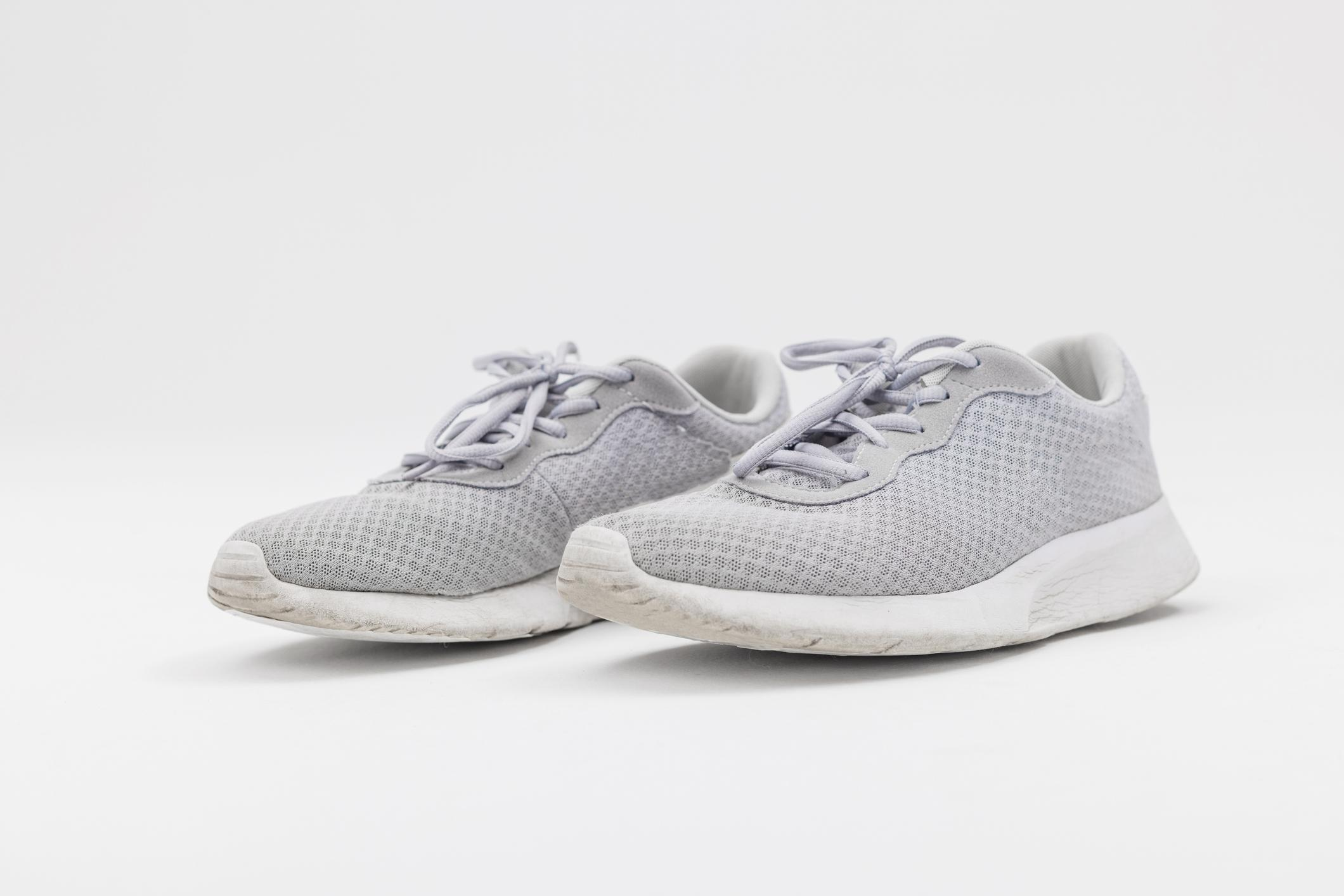
How Are Lightweight Sneakers Made? Materials and Design That Affect Shoe Weight
Two sneakers can look almost identical, yet one may feel noticeably lighter than the other. The difference is not always obvious from the outside. It may come from the upper materials, the outsole, the cushioning, or even the small components hidden inside the shoe. For footwear brands, making a lightweight sneaker is not simply about choosing the lightest materials. The real challenge is reducing weight without sacrificing comfort, durability, or support.
READ MORE...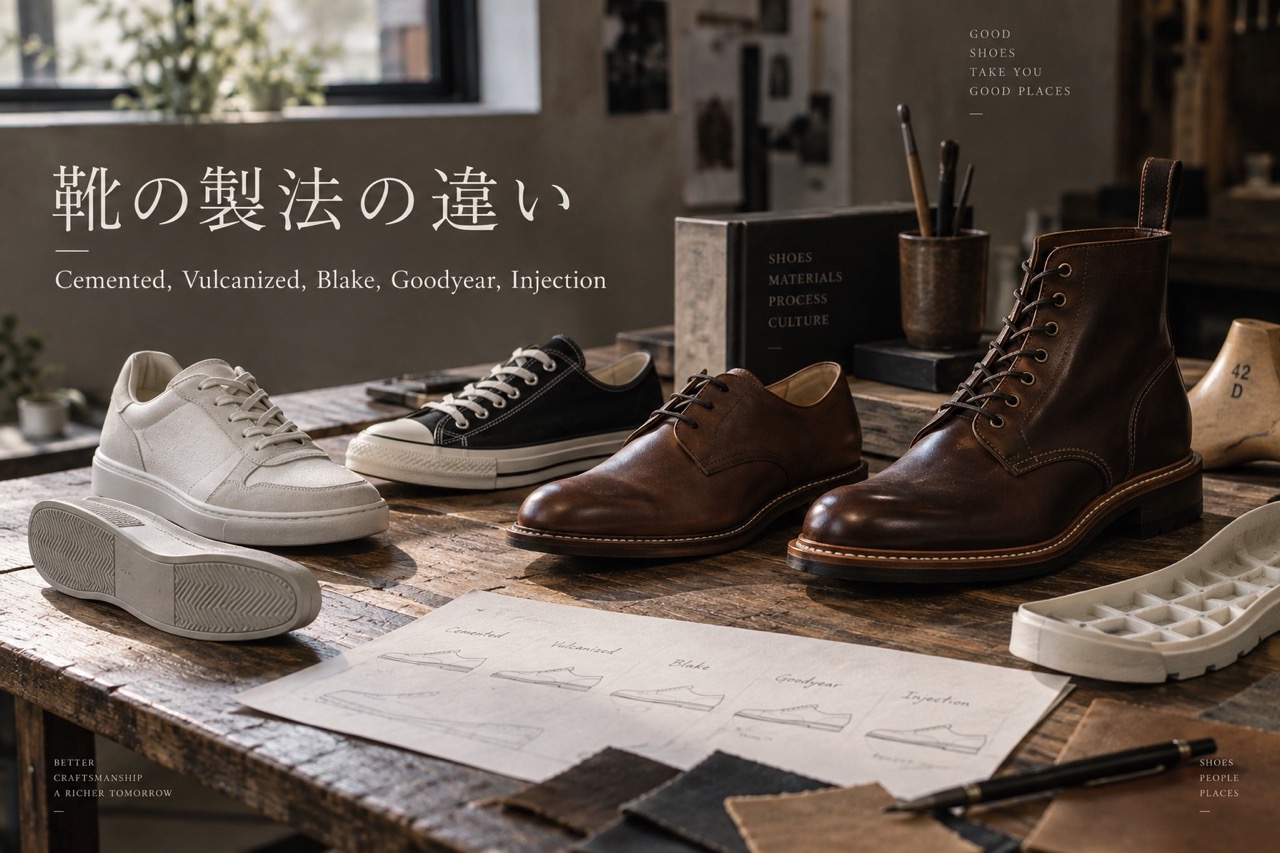
Shoe Construction Methods Explained: Cemented, Vulcanized, Blake, Goodyear Welted and Injection
How a shoe is made affects its appearance, flexibility, weight, durability, cost, MOQ and development process. This article explains five common footwear construction methods—cemented, vulcanized, Blake, Goodyear welted and injection—in simple terms. When developing footwear, brands often spend a lot of time discussing materials, colors and outsole designs. But another important question is often overlooked: How will the upper and sole actually be put together? This is what footwear “construction” means. In very simple terms: Cemented = bonded with adhesive Vulcanized = rubber is bonded and cured with heat Blake = upper and sole are stitched directly together from inside Goodyear Welted = the upper is connected to the sole through a welt Injection = the sole is molded directly onto the upper None of these methods is automatically “better” than the others. The right choice depends on the type of shoe, design, quantity, price, weight, flexibility and intended use.
READ MORE...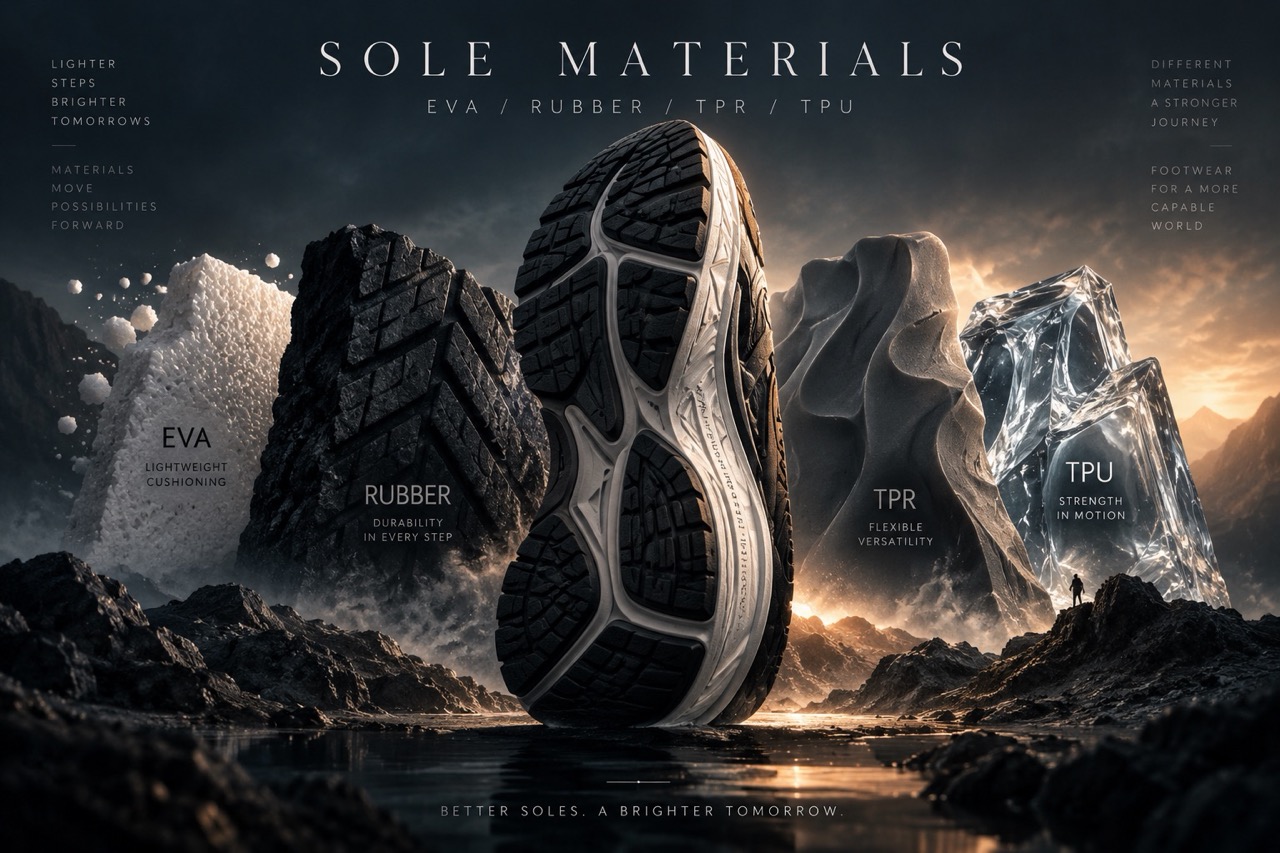
Shoe Sole Materials Explained: EVA, Rubber, TPR and TPU — What Is the Difference?
EVA, rubber, TPR and TPU are common materials used in shoe soles. They are not simply better or worse than one another. Each material has a different role, and many shoes use several of them together. This article explains the differences in simple terms.
READ MORE...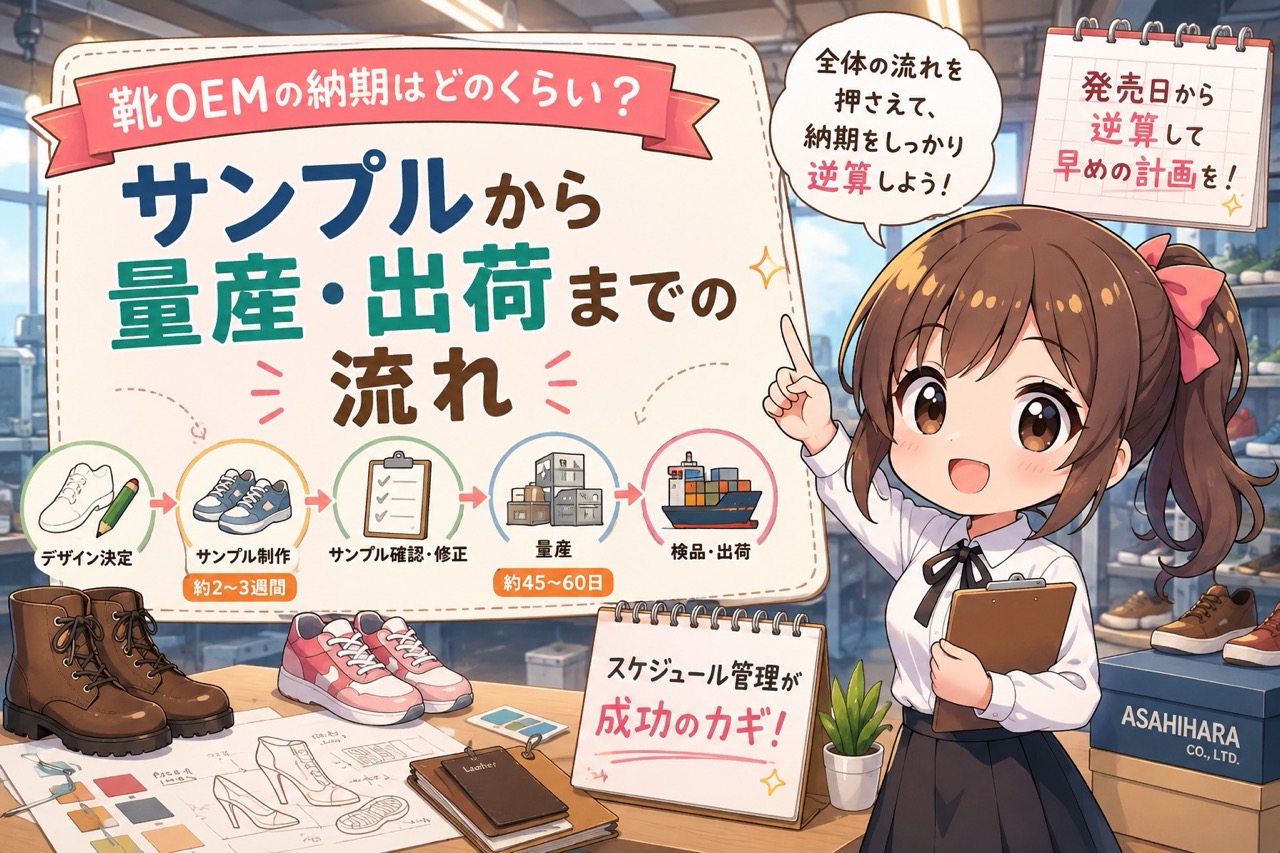
How Long Does Footwear OEM Take? From Sampling to Bulk Production
Footwear OEM lead time includes more than the factory production period. Sampling, revisions, material preparation, bulk production, inspection, and shipping all need to be considered when planning a footwear project.
READ MORE...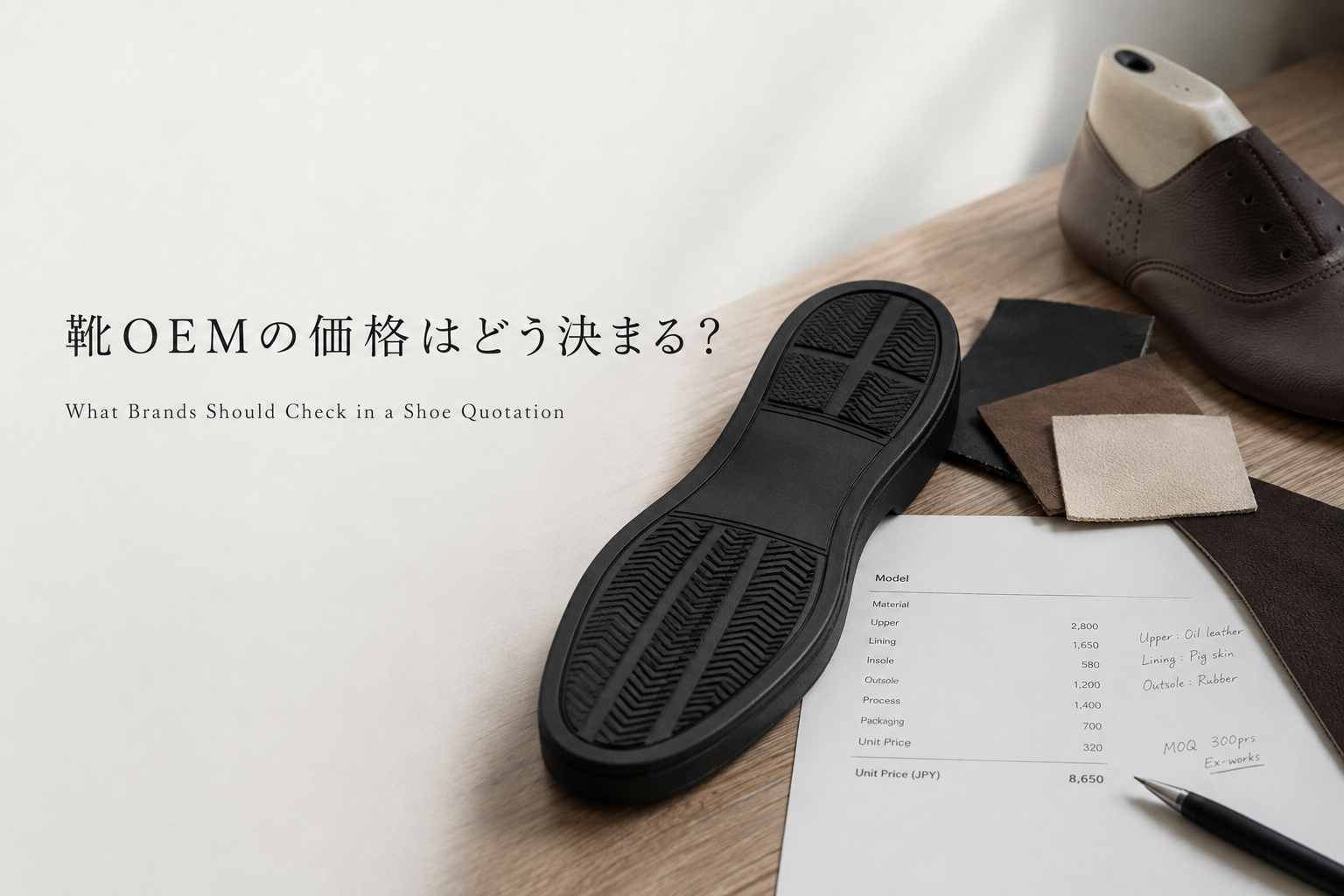
How Is Footwear OEM Pricing Calculated? What Brands Should Check in a Shoe Quotation
Footwear OEM pricing depends on materials, outsole specifications, construction, order quantity, colors, size range, custom components, packaging, inspection, and trade terms. This guide explains what brands should check when comparing shoe manufacturing quotations.
READ MORE...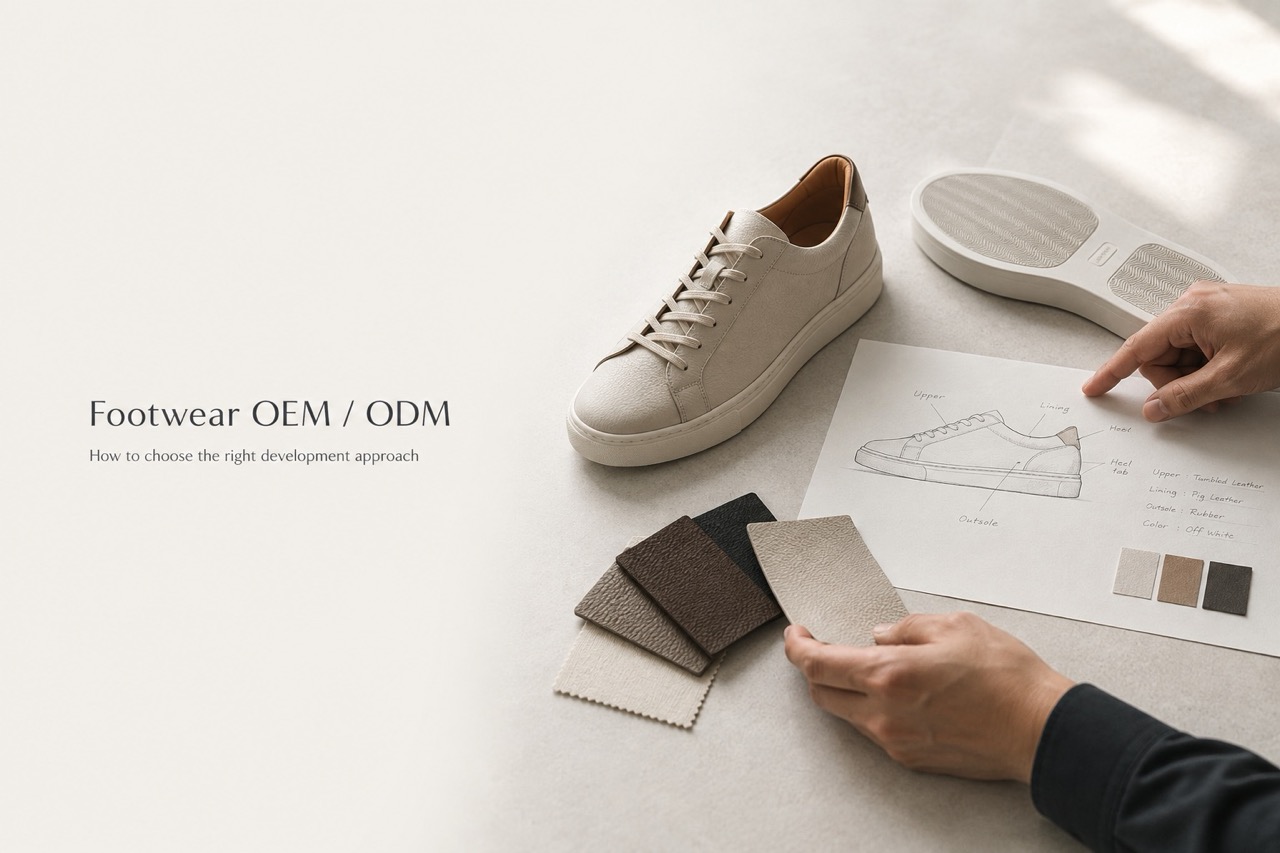
Footwear OEM vs ODM: What Is the Difference and Which Is Right for Your Brand?
Footwear OEM and ODM are often used interchangeably, but the level of supplier involvement can be very different. This guide explains how OEM and ODM work in shoe development, what information brands should prepare, and how to choose the right development approach for a footwear project.
READ MORE...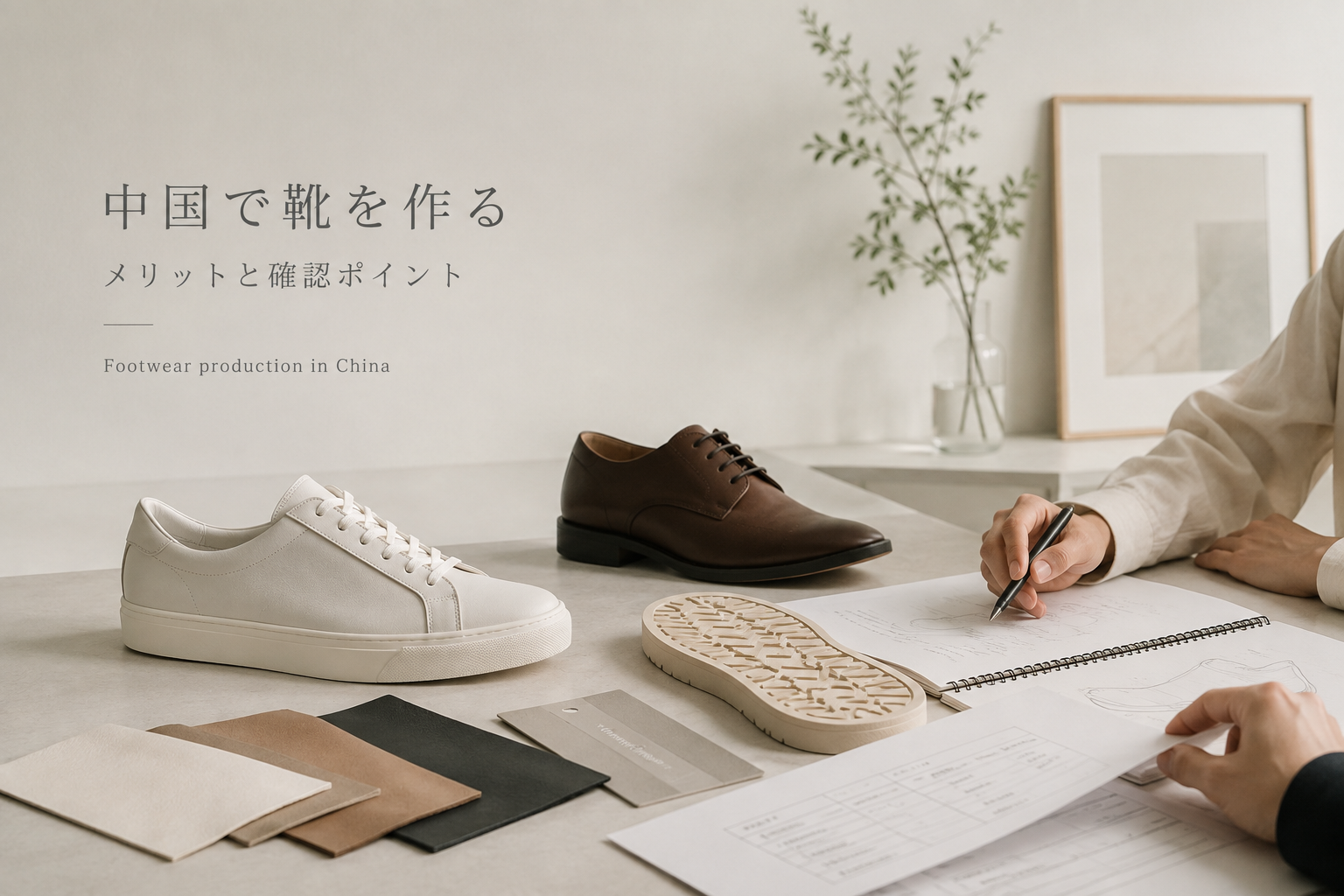
Footwear Manufacturing in China: Advantages and What Brands Should Confirm Before Production
China offers a broad footwear supply chain, specialized production regions, flexible development options, and access to a wide range of materials and components. To use these advantages effectively, brands should confirm the actual production site, MOQ, quotation basis, sample terms, and quality-control process before development begins.
READ MORE...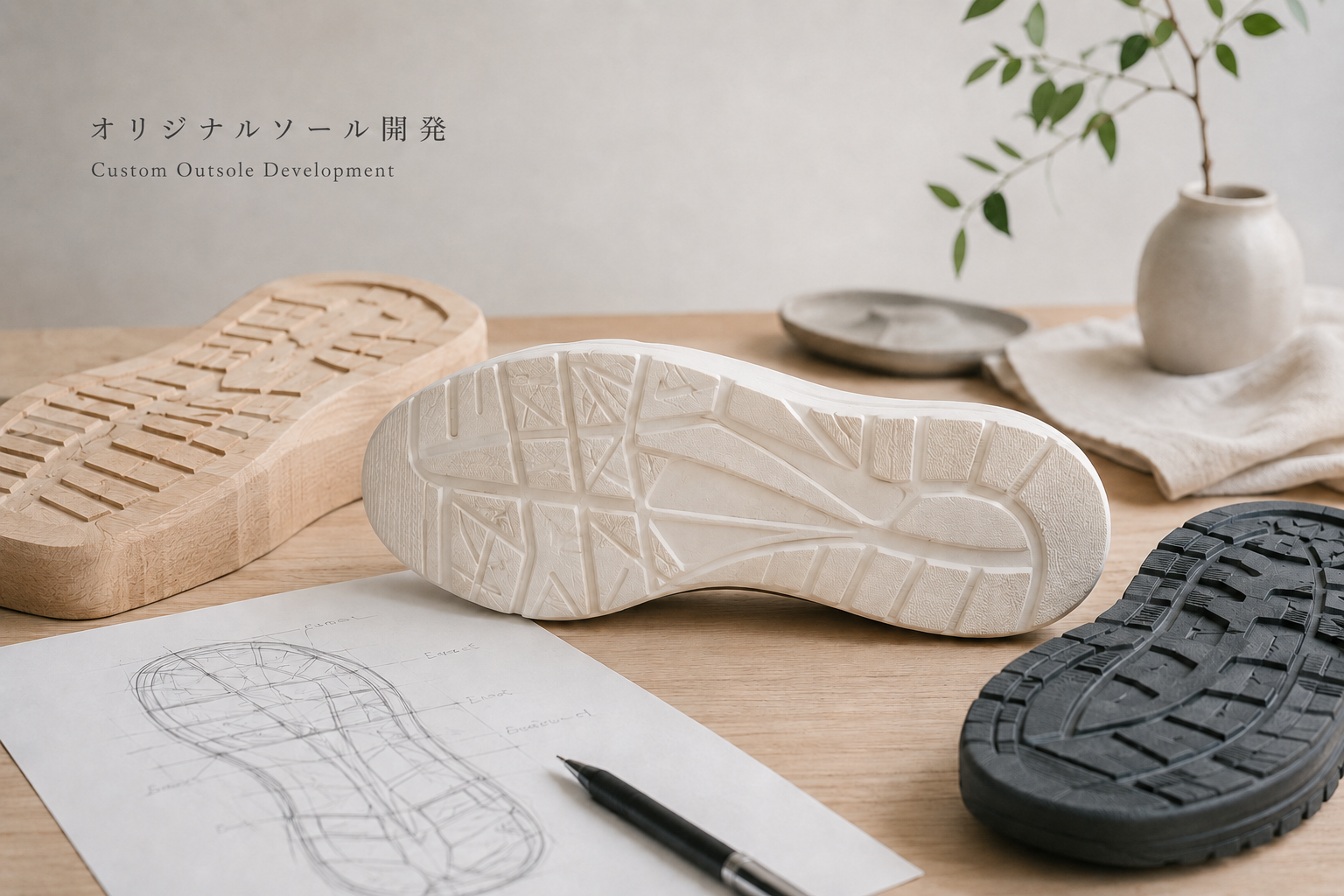
How a Custom Shoe Outsole Mold Is Made: From Design to Trial Outsole
Custom outsole development usually moves from design confirmation to a full-size physical master model, formal mold making, trial outsole production, and complete shoe sampling. This article explains the role of the wooden outsole master model and why it must be approved before production tooling begins.
READ MORE...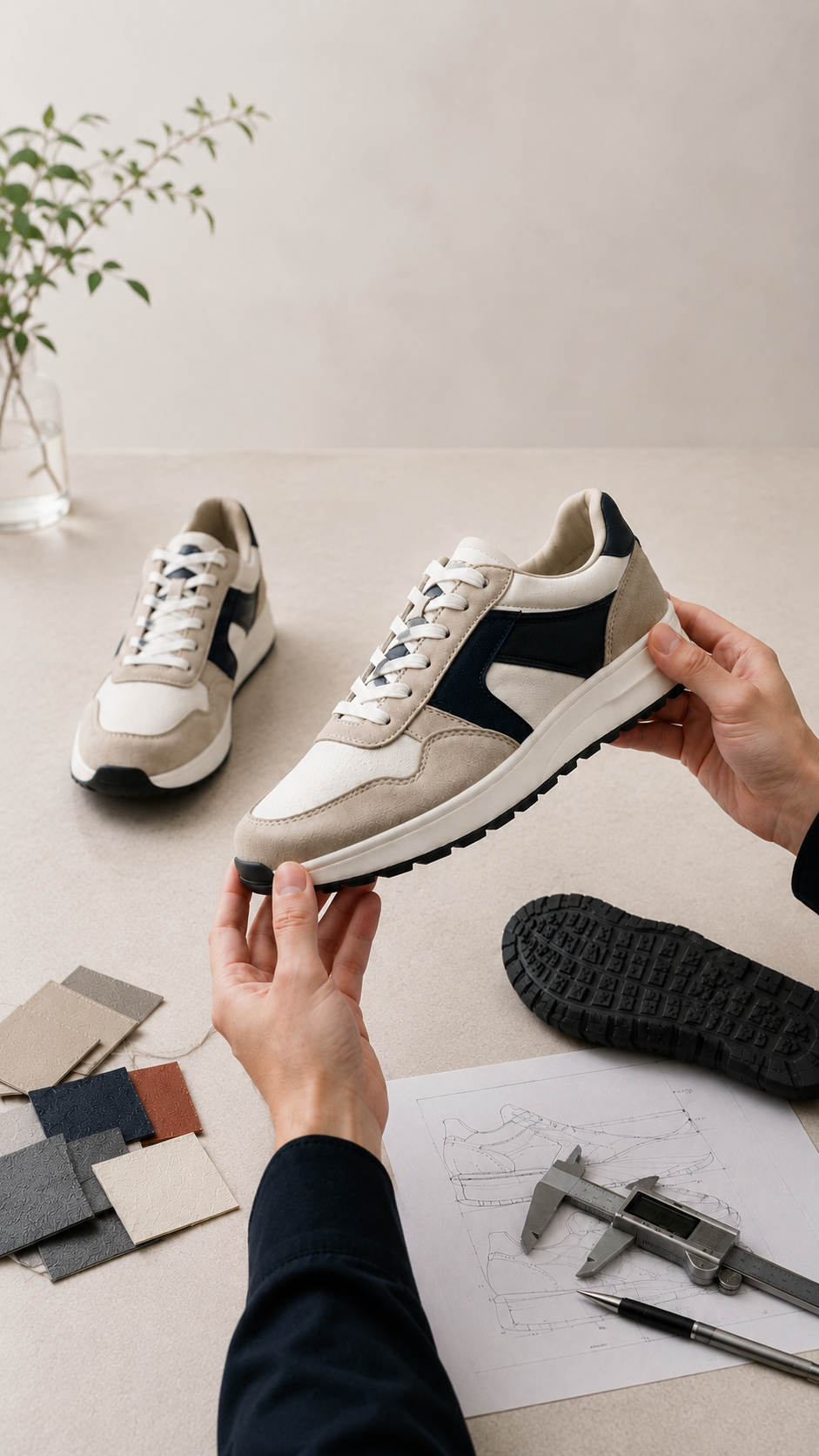
What Brands Should Check When Reviewing a Shoe Sample
A practical guide to reviewing shoe fit, last selection, materials, outsole alignment, workmanship, functional performance, and bulk-production readiness.
READ MORE...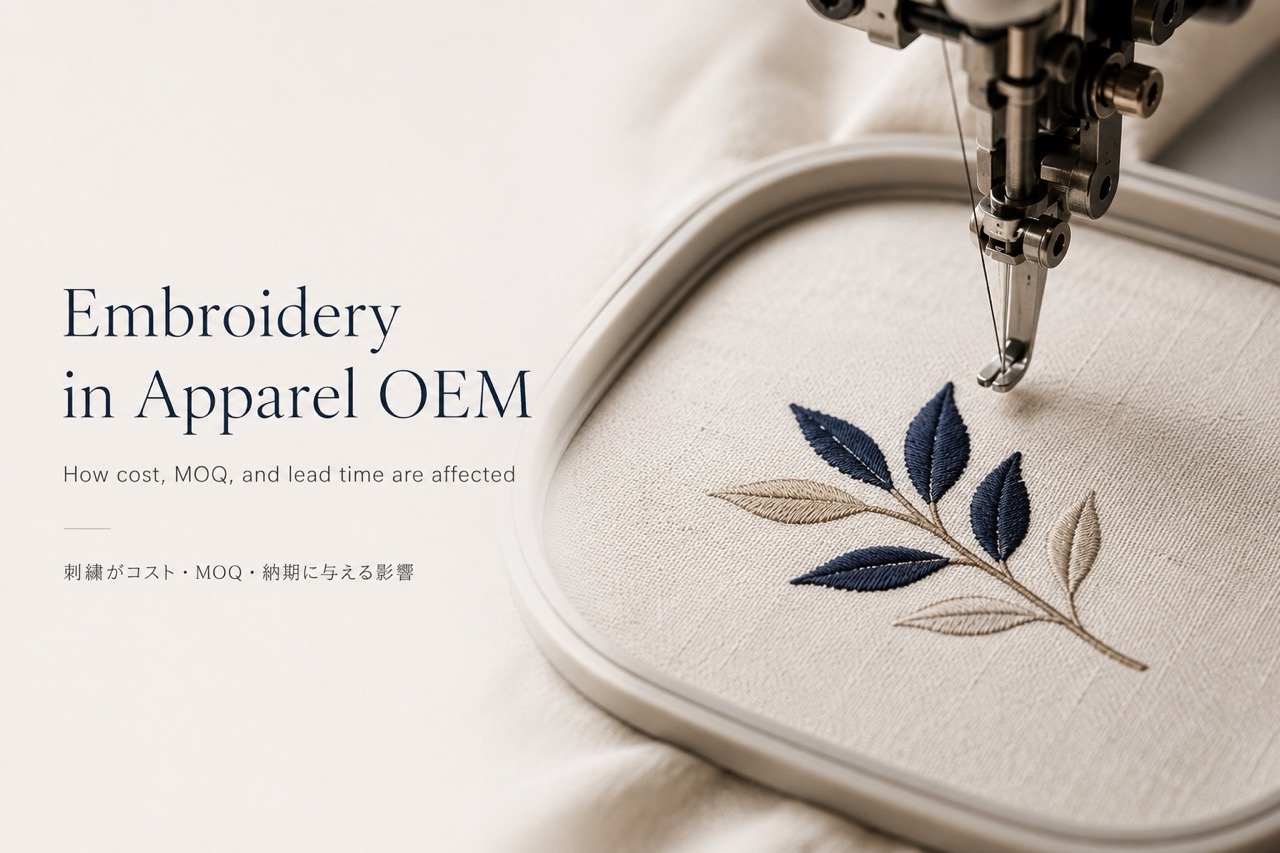
How Embroidery Affects Apparel OEM Cost, MOQ, and Production Lead Time
Embroidery is not just decoration in apparel OEM production. It directly impacts cost, MOQ, sampling complexity, and production lead time depending on stitch density, placement, and material compatibility.
READ MORE...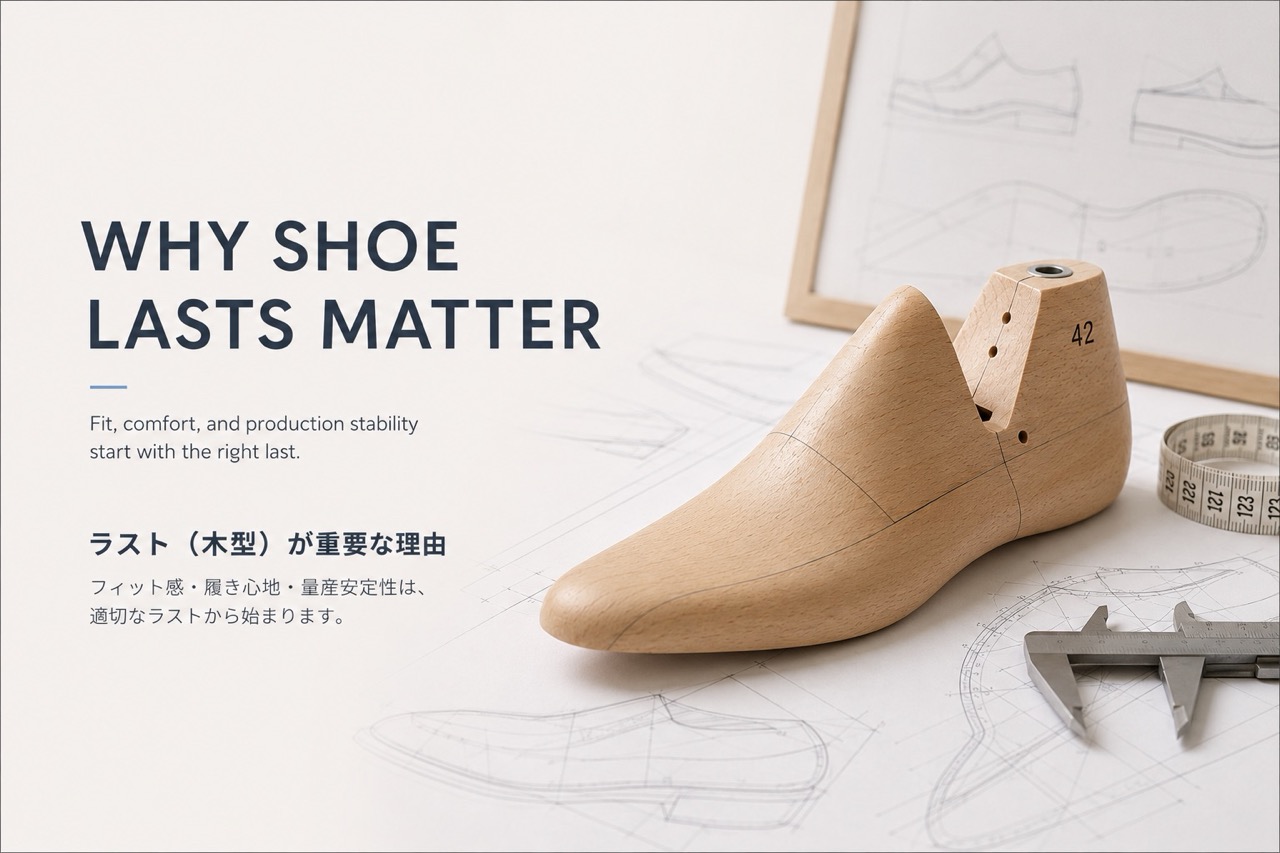
Why Shoe Lasts Matter in Footwear OEM Development
A shoe last affects fit, comfort, structure, outsole matching, and production stability. Learn why brands should confirm last selection early.
READ MORE...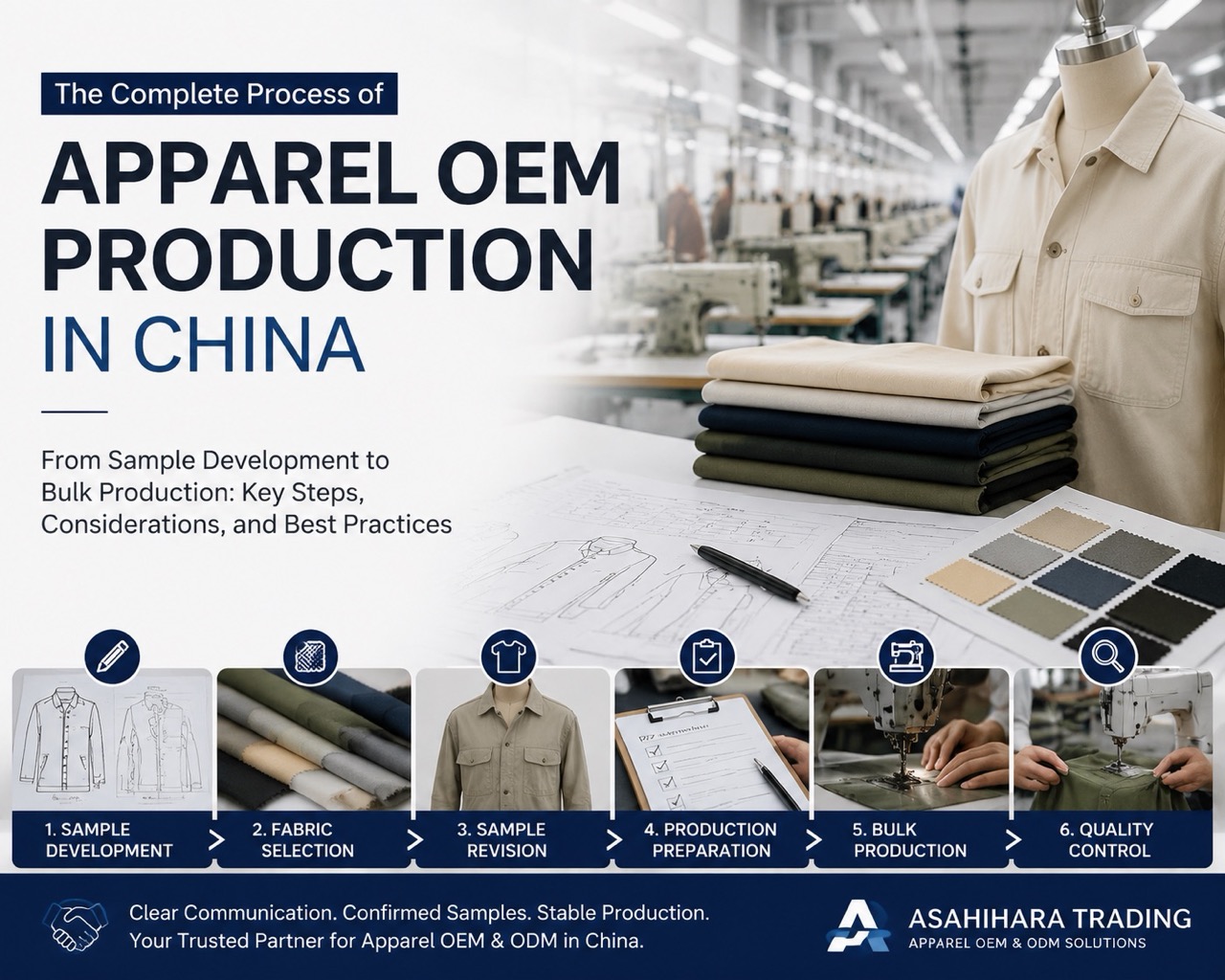
How Apparel OEM Production Is Managed in China From Sample to Bulk Production
This article explains how apparel OEM projects in China move from sampling to bulk production, including fabric sourcing, pattern making, sample approval, and production management.
READ MORE...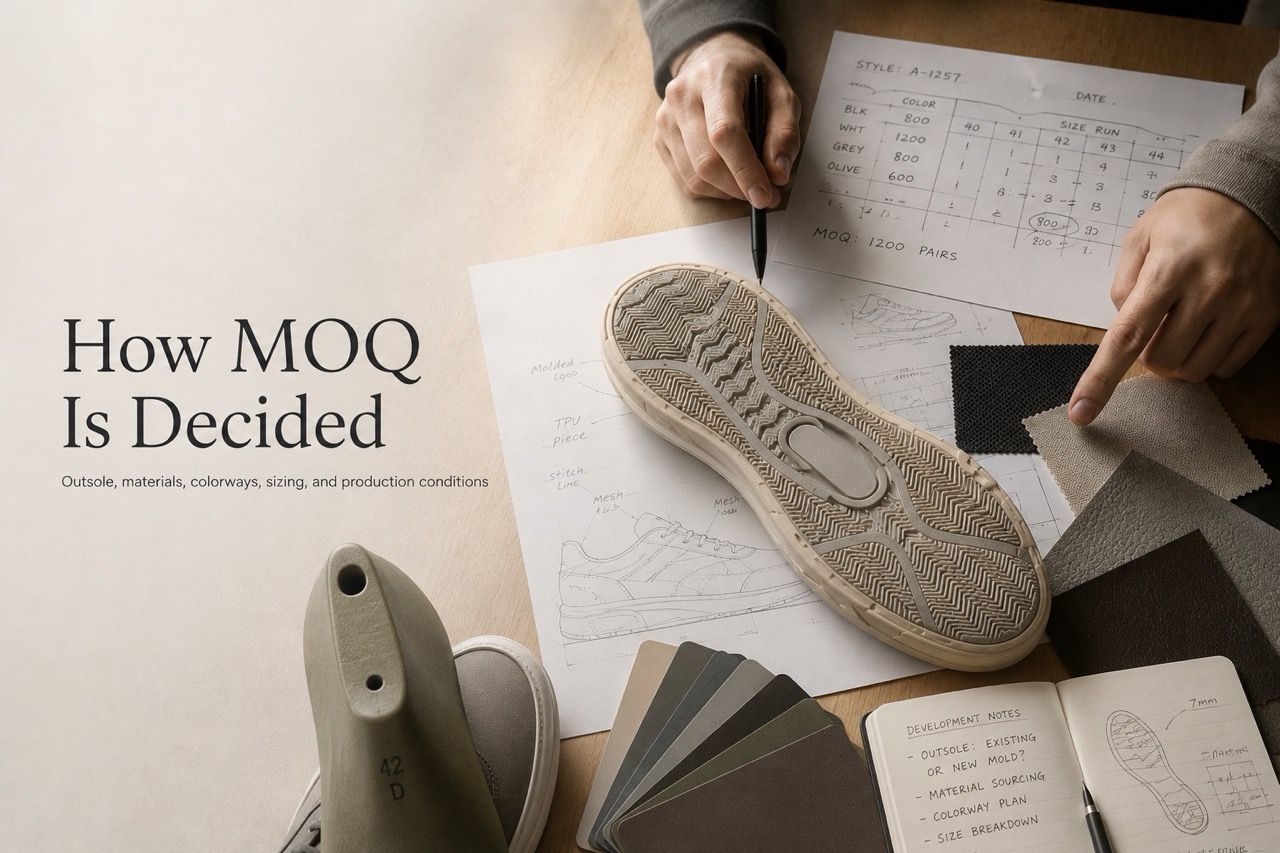
How MOQ for Shoe OEM Production Is Really Decided
MOQ is not just a factory number. It is shaped by outsole choice, materials, colorways, sizing, tooling, and production efficiency.
READ MORE...
What to Prepare Before Your First Factory Visit to China
Payment, transport, and mobile tools to prepare before arriving in China
READ MORE...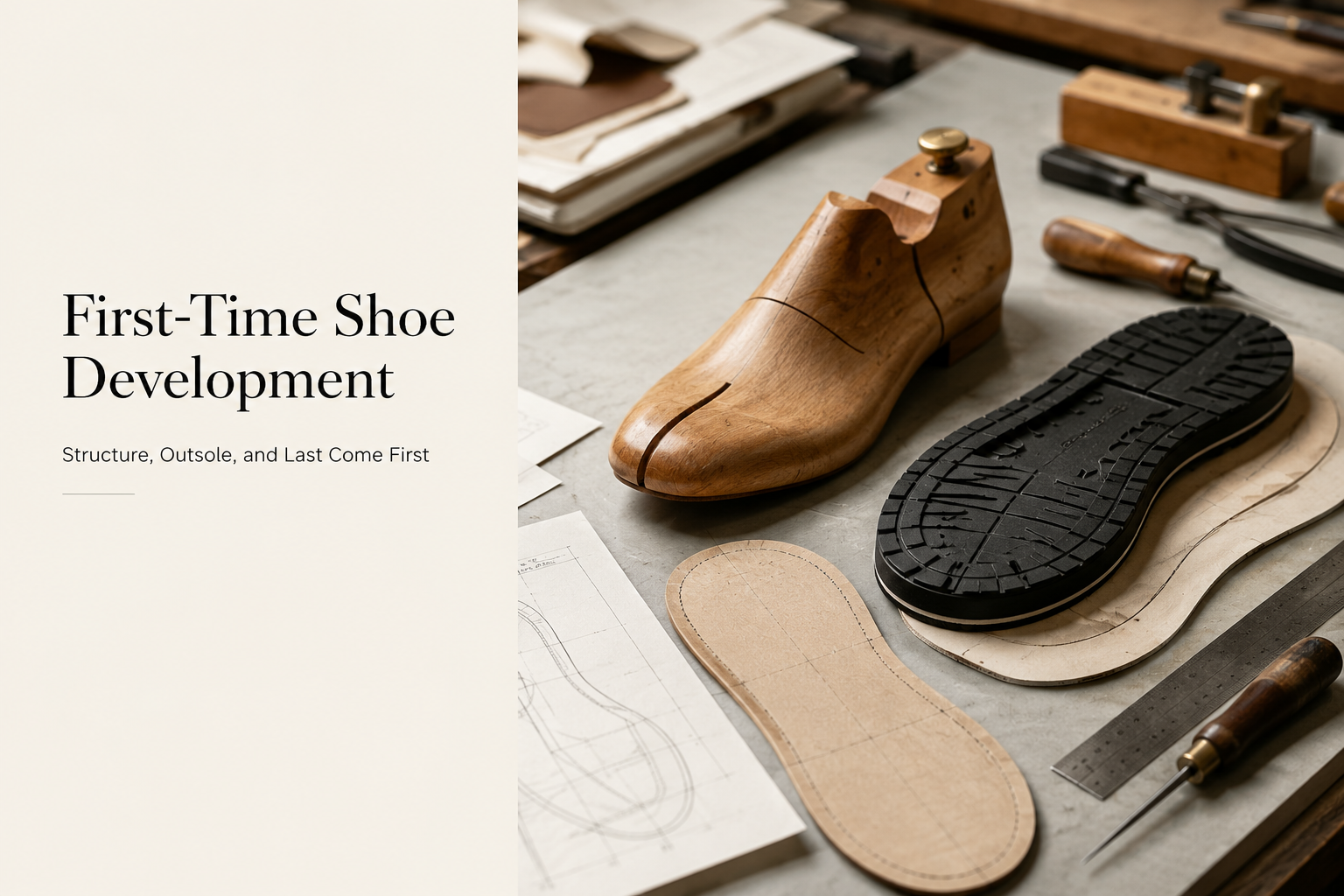
If It’s Your First Time Making Shoes, Confirm the Structure First
Cold cement, vulcanized construction, outsole choice, and the last matter more than most beginners expect
READ MORE...